Black, dark, and mixed-race skin faces specific skin concerns that require a tailored and informed approach. Far from being mere aesthetic issues, these dermatological challenges stem from unique physiological characteristics: more active melanin production, a sensitive skin barrier, and increased reactivity to external aggressors.
Seven issues dominate consultations for dark skin: post-inflammatory hyperpigmentation, regularly cited as the number one concern by women with dark skin, acne which leaves persistent pigmentary marks, excess sebum paradoxically coexisting with deep dehydration, dull complexion resulting from slowed cell renewal, ingrown hairs, and skin sensitivity which makes the skin vulnerable to inflammatory reactions.
These problems are neither inevitable nor a sign of neglect. They stem from specific biological mechanisms that must be understood in order to better prevent and treat them. Black skin has a thicker and more compact dermis than white skin, this thickness being proportional to the degree of pigmentation (PMC, Aging Differences in Ethnic Skin). This same structure promotes the accumulation of dead cells and slows down skin renewal. Abundant melanin provides photoprotection measured at approximately SPF 13 (Kaidbey et al.), but makes melanocytes hyperreactive: the slightest inflammation triggers a localized overproduction of pigment.
This guide details the seven major skin concerns of Black skin, providing a scientific perspective on each issue, including its causes, clinical manifestations, and, most importantly, effective dermatological and natural solutions validated by research. You will discover how to treat hyperpigmentation without damaging the skin, regulate acne by preventing post-inflammatory hyperpigmentation, balance sebum production, reveal your complexion's natural radiance, deeply hydrate despite an oily appearance, prevent ingrown hairs, and soothe irritations.
Each skin concern is addressed with specific treatment protocols, targeted active ingredient recommendations, and preventative advice. The goal: to help you achieve healthy, even-toned, and radiant skin, while respecting the unique physiology of dark skin.
Hyperpigmentation & Pigmentation Spots: The Number One Problem
Hyperpigmentation is the most common dermatological concern in dark skin. This overrepresentation is not accidental: it is explained by biological mechanisms specific to dark phototypes, detailed in our comprehensive guide on hyperpigmentation in dark skin .
Understanding post-inflammatory hyperpigmentation
Post-inflammatory hyperpigmentation (PIH) refers to the appearance of dark, brown, or purplish spots on the skin following a skin injury. The process is as follows: when the skin experiences inflammation—whether from an acne breakout, a cut, a superficial burn, irritation from shaving or waxing, or even a simple insect bite—melanocytes (melanin-producing cells) become hyperactive. Inflammatory cytokines and reactive oxygen species directly stimulate melanogenesis (PMC, Post-Inflammatory Hyperpigmentation in Dark Skin), resulting in a localized overproduction of melanin that manifests as a spot darker than the natural skin tone.
In dark skin, this mechanism is particularly easily triggered. Melanocytes in darker phototypes naturally produce more melanin and are more sensitive and reactive to even the slightest inflammatory stimuli. As a result, a simple irritation, which would go unnoticed on light skin, can trigger persistent hyperpigmentation on dark skin. These hyperpigmentation spots may fade naturally over time—between 6 months and 3 years depending on their depth—or remain permanently if no treatment is applied.
Types of hyperpigmentation in dark skin
Beyond HPI, black skin presents other forms of hyperpigmentation that require specific approaches.
Melasma, also known as the "mask of pregnancy," results from hormonal imbalances (pregnancy, contraception, menopause) and manifests as diffuse, often symmetrical, brown spots on the forehead, cheekbones, and upper lip. This form of hyperpigmentation particularly affects women between 25 and 45 years old and requires strict sun protection because UV rays significantly worsen the pigmentation.
Solar lentigines appear due to prolonged sun exposure without adequate protection. They are mainly located on exposed areas: face, hands, and chest. Contrary to popular belief, dark skin is not immune to sun damage— natural photoprotection, measured at around SPF 13, remains insufficient against UVA rays that penetrate deeply.
Hyperpigmentation from friction occurs in areas of repeated friction: armpits, groin, neck (jewelry), elbows, knees. The constantly irritated skin reacts by thickening and producing more melanin, creating darker areas known as lichenification.
Common triggers of hyperpigmentation
The list of triggers for hyperpigmentation in dark skin is long and often underestimated. Acne pimples, especially when picked, scratched, or popped, invariably leave pigmentation marks that can last for several months. Superficial injuries, thermal or sun burns, and mechanical irritations (friction, waxing, abrasive scrubs) are all triggers. Sun exposure without SPF protection worsens all existing forms of hyperpigmentation: UVA rays directly stimulate melanin production.
Allergic reactions to unsuitable cosmetics, certain chronic skin conditions (eczema, dermatitis, psoriasis), and aesthetic treatments poorly calibrated for black skin ( lasers not adapted to phototypes IV-VI, peels too concentrated ) can also cause paradoxical reactive hyperpigmentation.
Solutions to reduce hyperpigmentation
The treatment of hyperpigmentation on black skin is based on three pillars: the prevention of new spots, the gradual reduction of existing spots, and strict protection against UVA rays.
Prevention begins with a golden rule: never touch, scratch, pop, or pick at pimples and scabs. Opt for natural anti-inflammatory ingredients such as aloe vera, honey, or green tea extract. Absolutely avoid perfumed or alcohol-based products, which worsen irritation.
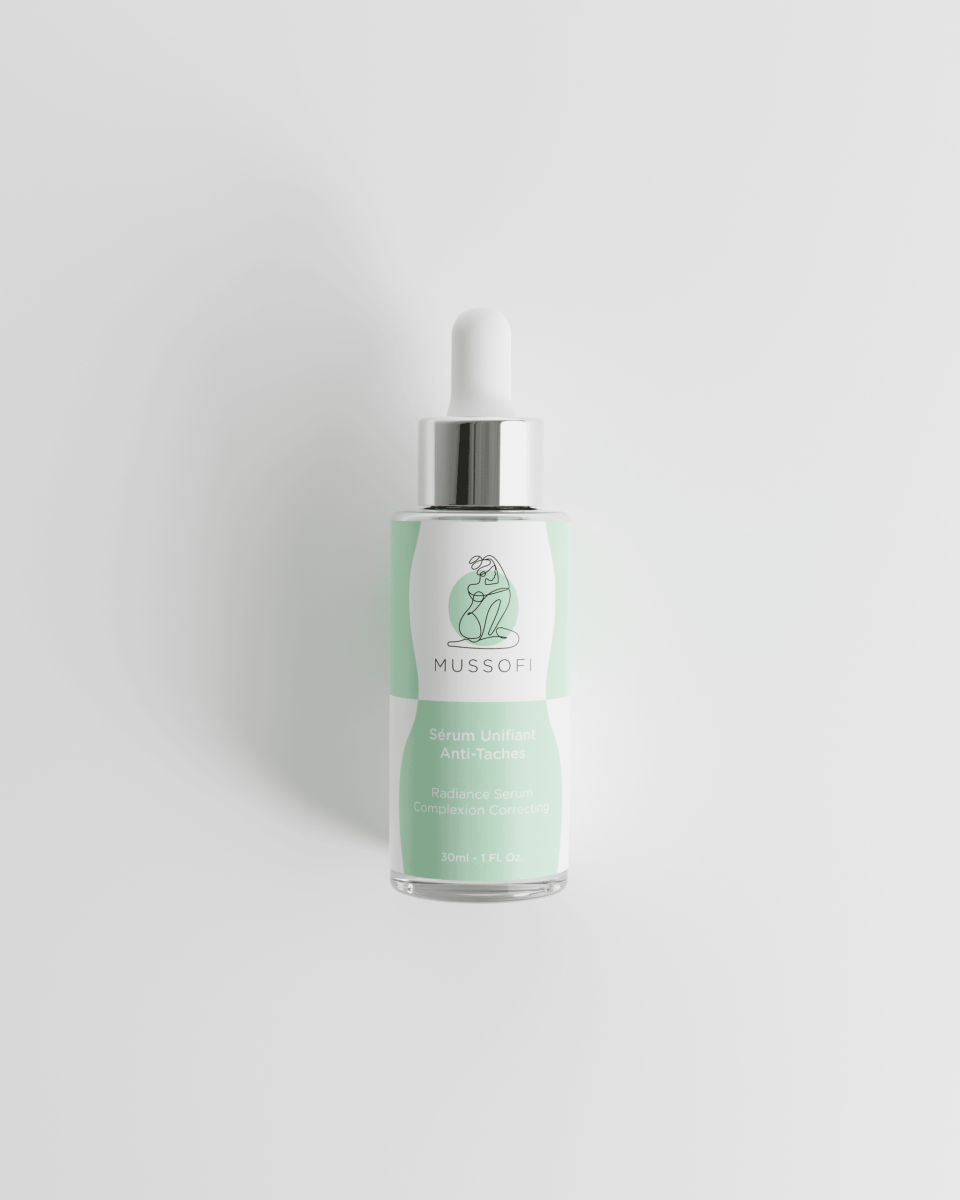
Active treatment requires a sufficient concentration of unifying active ingredients. Vitamin C inhibits tyrosinase by interacting with its copper ions at the active site , reducing melanin formation and stimulating cell renewal. Mussofi Anti-Dark Spot Radiance Serum , which combines vitamin C and shikimic acid, reveals a more even complexion in just 3 days. According to our internal usage study (Product Information File), 75% of users observed a visible reduction in dark spots after just one week.
Niacinamide (vitamin B3) at 5-10% inhibits the transfer of melanosomes to keratinocytes by 35-68% (Hakozaki et al., British Journal of Dermatology, 2002), reduces pigment transfer, and strengthens the skin barrier. Azelaic acid 10-20%, particularly effective for dark skin, acts simultaneously on acne and blemishes: it normalizes keratinization, reduces inflammation, and inhibits tyrosinase.
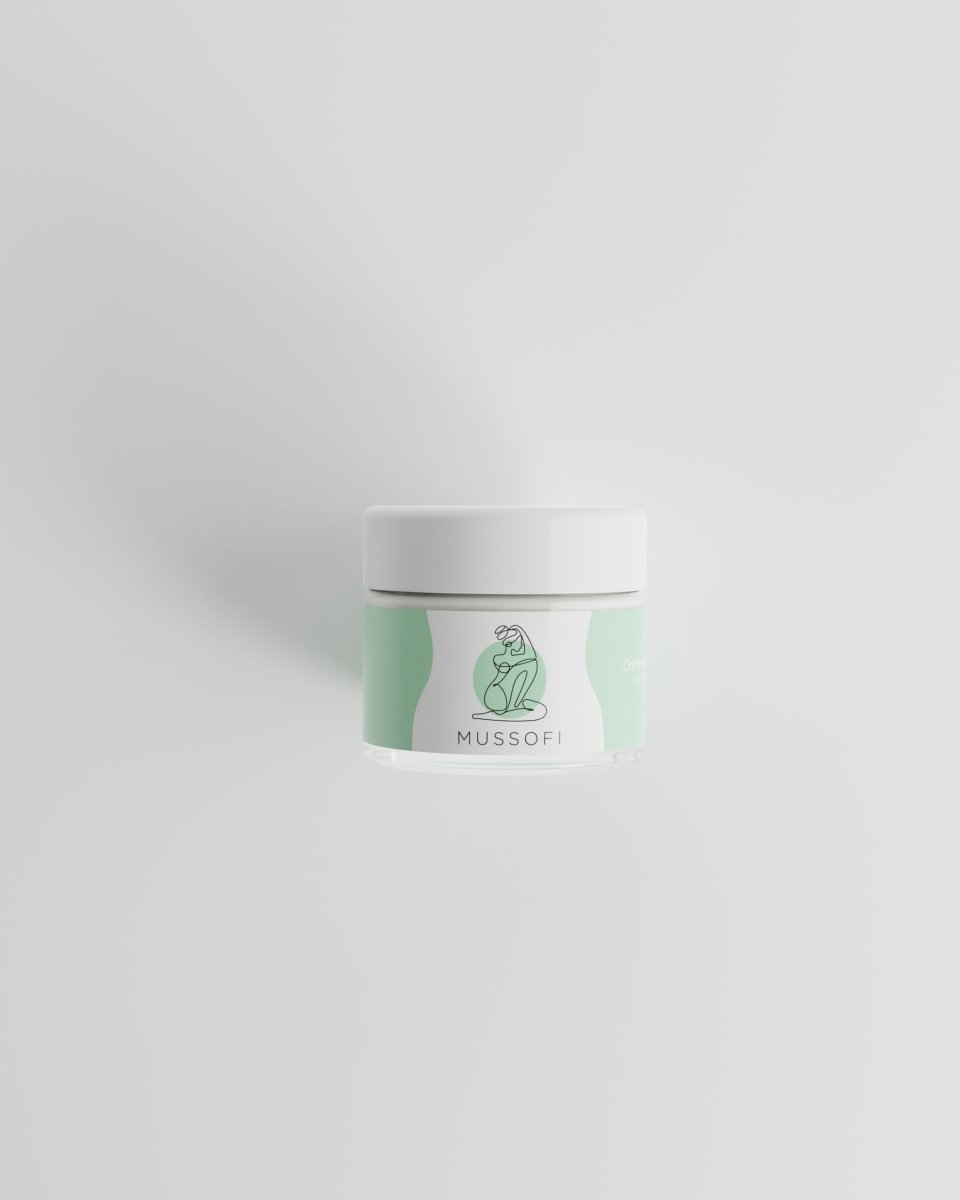
Regular but gentle exfoliation (1 to 2 times a week) with an enzymatic scrub or low-concentration AHAs accelerates the replacement of hyperpigmented cells. Never exfoliate skin with active blemishes. Mussofi's Radiance-Boosting Anti-Dark Spot Cream , enriched with prebiotics and postbiotics, rebalances the skin microbiota while evening out the complexion. Sunscreen with a minimum SPF of 30 (SPF 50 recommended if undergoing treatment) is essential: without it, the results of unifying serums will be negated.
Complete anti-blemish protocol for black skin
Morning: Gentle cleansing + toner + vitamin C serum + unifying cream + SPF 50. Evening: Double cleansing (oil + gel) + toner + niacinamide or azelaic acid serum + repairing night cream. Gentle exfoliation twice a week in the evening (wait until healed if active blemishes are present). Find the detailed protocol in our Mussofi routine guide .
Results appear gradually: recent superficial spots fade in 4 to 8 weeks. Older or deeper spots require 3 to 6 months of continuous treatment. Patience and consistency are essential.
Acne & Blemishes: Preventing Post-Inflammatory Spots
Acne on dark skin presents a dual challenge: treating active breakouts while simultaneously preventing the inevitable post-inflammatory hyperpigmentation. This unique characteristic necessitates a specific approach, distinct from standard protocols.
Why acne is more difficult to treat on dark skin
Black skin faces two major risks associated with acne: post-inflammatory hyperpigmentation (PIH) and hypertrophic or keloid scarring. The incidence of PIH in dark-skinned individuals with acne can reach 47% to 65% (StatPearls, NCBI), with spots persisting from 6 months to 2 years without appropriate treatment. Keloid scars are more prevalent in dark skin, with an incidence of 6% to 16% in African populations , compared to less than 0.1% in lighter skin tones (PMC, Hypertrophic Scarring and Keloids).
The key to treatment lies in striking a balance between effective acne control and respecting skin sensitivity. Treatments that are too aggressive worsen inflammation and trigger reactive hyperpigmentation. Conversely, a timid approach allows acne to progress and multiply its marks.
Treat acne gently and thoroughly
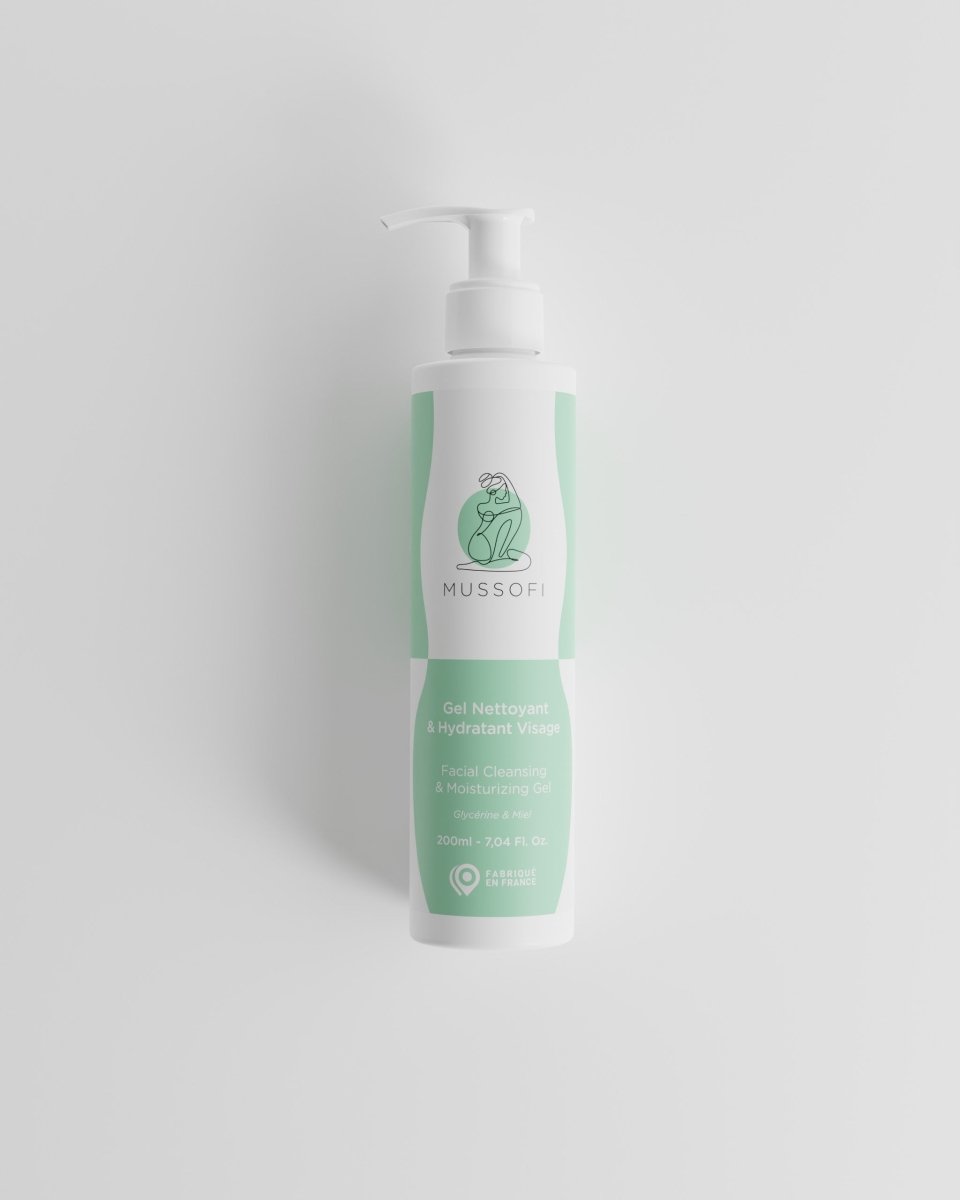
The treatment begins with a thorough yet gentle cleansing. Double cleansing in the evening—a light cleansing oil (jojoba, nigella) followed by a mild, soap-free cleansing gel—effectively removes sebum, impurities, and bacteria without damaging the skin barrier. Mussofi's Hydrating Cleansing Gel , free of sulfates and fragrance, deeply cleanses while preserving the protective hydrolipidic film.
Active ingredients suitable for black skin include: topical retinoids (adapalene 0.025%-0.1%) which unclog pores and accelerate cell renewal; benzoyl peroxide 2.5% to 5% (never 10% on black skin) against bacteria; azelaic acid 10-20%, ideal for dark skin as it acts simultaneously on acne, keratinization and hyperpigmentation; niacinamide 5-10%, usable morning and evening even on sensitive skin.
Complementary natural solutions
Green clay applied as a mask (5-10 minutes, never until completely dry) absorbs excess sebum once or twice a week. Tea tree essential oil, always diluted in jojoba oil (2 drops to 10 drops), is applied topically to blemishes in the evening. Nigella oil, anti-inflammatory and antibacterial, regulates sebum production. Manuka honey applied as a localized mask (15 minutes) soothes inflammation.
Prevention of post-acne hyperpigmentation
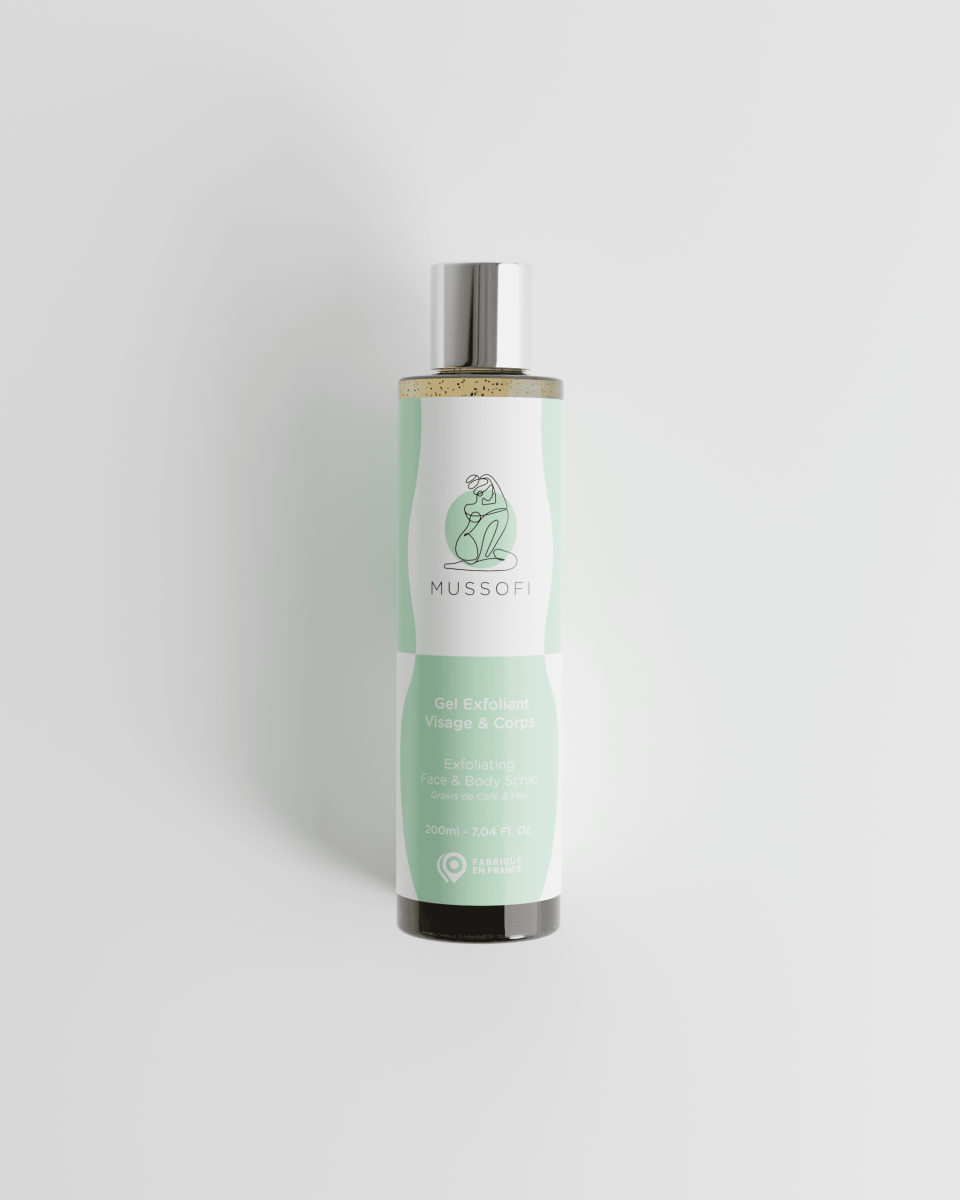
Never pick at, scratch, or squeeze pimples. Treat each pimple as soon as it appears with a targeted active ingredient (2% salicylic acid, diluted tea tree oil) to reduce inflammation. As soon as the pimple closes, apply Mussofi Anti-Dark Spot Radiance Serum (vitamin C, niacinamide) to prevent dark spots from forming. Exfoliate regularly with Mussofi Exfoliating Cleansing Gel (ground coffee + honey) once or twice a week. Protect with a non-comedogenic SPF 30-50 sunscreen daily.
Excess Sebum & Oily Skin: The Dehydration Paradox
Excess sebum is a common problem for Black skin. But what appears to be oily skin often hides a more complex reality: the paradox of dehydrated oily skin.
Understanding sebum production in black skin
Darker skin produces more sebum than lighter skin, but paradoxically has a less effective lipid barrier. The work of Sugino et al. demonstrated that darker skin has a lower ceramide level than lighter skin, this deficiency being inversely correlated with transepidermal water loss . This imbalance explains why darker skin can appear oily on the surface while being deeply dehydrated.
This underlying dehydration triggers a vicious cycle: the skin, sensing its barrier is weakened, compensates by producing even more sebum. The more you strip the skin with harsh cleansers, the more sebum it produces to protect itself.
Regulating sebum without stripping the skin
The treatment is based on a counterintuitive principle: hydration to regulate. Use Mussofi's soap- and sulfate-free Hydrating Cleansing Gel morning and evening. In the evening, practice double cleansing: jojoba oil (with a composition similar to sebum, it regulates the activity of the sebaceous glands) + cleansing gel.
Natural sebum-regulating ingredients: niacinamide 5-10% (reduces shine in 2 to 4 weeks), zinc PCA (limits excess sebum and soothes inflammation), peppermint or rosemary hydrosols (tone and tighten pores), pure aloe vera (non-greasy moisturizer that regulates without clogging). Green clay or rhassoul as a mask once a week (5-10 minutes, never leave on until completely dry).
Hydration: the non-negotiable step
Oily skin absolutely must be moisturized. Skip this step and your skin will produce even more sebum to compensate. Choose a light, non-comedogenic gel-cream enriched with hyaluronic acid and glycerin. Avoid occlusive oils (coconut, olive, castor) that clog pores. Opt instead for jojoba or black seed oil, which are sebum-regulating. Exfoliating with AHA/BHA acids suitable for dark skin (5-10% glycolic AHA, 2% salicylic BHA) refines skin texture and reduces blackheads. Complete the routine with an ultra-light SPF 30-50.
Fatal mistake to avoid
Never strip your skin in the hope of removing sebum. Harsh cleansers, alcohol, overly concentrated astringent lotions, and daily scrubs weaken the skin barrier and trigger a reactive overproduction of sebum. A gentle and regular approach, with targeted active ingredients and appropriate hydration, provides lasting sebum regulation.
Dull Complexion & Lack of Radiance: Reveal Natural Luminosity
A dull complexion is a major aesthetic concern for Black skin: the grayish, tired, and lackluster appearance detracts from the natural beauty of the skin tone. This problem, far from being inevitable, stems from specific causes that must be understood in order to address it effectively.
Why does the complexion lose its radiance?
Black skin has a thicker, more compact dermis than white skin , which naturally slows down cell renewal. The natural cycle of shedding and replacement of dead cells lasts 28 days in young adults, but can extend to 35 to 40 days. The result is a gradual accumulation of dead cells on the surface, forming an opaque layer that blocks light and dulls the skin's natural radiance—the characteristic grayish appearance of dull black skin.
Other factors contribute to a dull complexion: dehydration (rough skin, less reflective), environmental pollution, stress, lack of sleep (cell regeneration is more active in the second part of the night), and a diet low in antioxidants.
Solutions to reveal natural radiance
Regular exfoliation (1 to 2 times a week) is essential. Three types are suitable: mechanical scrubs with very fine grains (ground coffee, jojoba beads), enzymatic scrubs (papaya, pineapple—ideal for sensitive skin), and chemical exfoliants (5-10% glycolic AHA). Mussofi Exfoliating Cleansing Gel combines gentle mechanical and enzymatic action for respectful exfoliation.
Illuminating active ingredients: Vitamin C inhibits tyrosinase, evens skin tone, and stimulates collagen production , while also protecting against free radicals. Mussofi's Anti-Dark Spot Radiance Serum , rich in vitamin C and shikimic acid, reveals a brighter complexion in just 3 days. Niacinamide improves texture, tightens pores, and evens skin tone. Daily hydration, morning and evening: hydrated skin reflects light better. Mussofi's Anti-Dark Spot Radiance Cream hydrates while unifying the complexion. SPF 30 minimum to protect your restored radiance.
Allow 3 to 4 weeks of consistent routine to see a visibly brighter complexion. Consistency is more important than intensity.
Dehydration: When the Skin Lacks Water
Skin dehydration frequently affects dark skin. Often confused with dryness (lack of lipids), dehydration refers to a lack of water in skin cells. This distinction is crucial because the treatments differ.
Why does dark skin dehydrate easily?
The hydrolipidic film of dark skin has a lower ceramide content than that of light skin, increasing transepidermal water loss . Black skin is genetically adapted to hot and humid climates; when transplanted to dry and cold environments, it suffers from chronic dehydration. Aggravating factors include hard water, pollution, heating, air conditioning, and inappropriate skincare.
Signs of dehydration to recognize
Tightness after cleansing, a dull and grayish complexion, fine lines that appear and disappear, a rough texture, and chapped lips. In dark skin, dehydration also promotes acne breakouts and prolongs pigmentation marks.
Treating dehydration thoroughly
Internal hydration: 1.5 to 2 liters of water per day. Intensive hydrating serums with pure hyaluronic acid (which deeply binds water) and glycerin, applied to slightly damp skin after toning. Moisturizing creams combining hydrating agents (hyaluronic acid, glycerin) and protective lipids (ceramides, shea butter) to deliver and retain moisture. Hydrating mists (rose hydrosol, orange blossom) sprayed several times a day. Hydrating masks (honey, aloe vera) twice a week. The "slugging" technique with a plant-based oil (argan, avocado) after night cream to seal in moisture. A humidifier at night during the heating season.
Mussofi's Anti-Dark Spot Radiance Cream , enriched with prebiotics, rebalances the skin's microbiome while moisturizing. Results appear quickly: comfort and suppleness within 24-48 hours, and restored radiance in 1 to 2 weeks.
Ingrown Hairs: Preventing & Treating Stains
Ingrown hairs are a common and frustrating problem for people with dark skin, particularly affecting shaved or waxed areas. Each ingrown hair triggers inflammation, inevitably followed by a pigmented spot that can persist for several months.
Why is dark skin more prone to ingrown hairs?
Naturally curly or frizzy hair tends to curl back after shaving or waxing. Darker, denser skin offers more resistance to hair emergence , promoting its subcutaneous regrowth. Each ingrown hair creates localized inflammation that stimulates melanocytes, producing a persistent brown or purplish pigment spot.
Solutions to prevent ingrown hairs
Exfoliate regularly (2 to 3 times a week) with a gentle scrub or 2% salicylic acid to remove dead skin cells that trap hairs. Moisturize waxed areas daily to maintain suppleness. If you shave: shave in the direction of hair growth, use a new blade and a lubricating gel, and apply a soothing treatment immediately afterward. Laser hair removal (Nd:YAG, diode laser for dark skin) is the most effective permanent solution. If an ingrown hair appears, resist the temptation to pop it: apply a warm compress, gently exfoliate, and consult a dermatologist if the inflammation persists for more than 48 hours. As soon as the wound closes, apply Mussofi Anti-Dark Spot Radiance Serum to prevent dark spots.
Skin Irritations & Sensitivity: Soothe & Protect
Black skin has a particular sensitivity that makes it vulnerable to irritation. This heightened reactivity is due to physiological characteristics and requires a gentle and respectful approach.
Why is Black skin sensitive?
Sensitivity results from an alteration of the skin's barrier function. The lipid barrier of dark skin has a lower ceramide level than that of light skin, leading to increased permeability : the epidermis allows irritants to penetrate more easily while losing more water through evaporation. Hyperreactive melanocytes react to any aggression by producing a pigmented spot.
Common causes of irritation
Inappropriate cosmetics (perfumes, alcohol, aggressive preservatives, SLS/SLES sulfates, excessive concentrations of active ingredients), repeated mechanical friction, environmental aggressions (cold, wind, pollution, chlorine), and allergic reactions to certain ingredients.
Soothe irritations and strengthen the barrier
Stop using any suspicious products immediately and simplify your routine to the bare minimum. Pure aloe vera provides instant relief thanks to its anti-inflammatory properties. Manuka honey (applied as a localized mask for 15 minutes) soothes and promotes healing. Thermal water, sprayed several times a day, relieves burns and tightness. Centella asiatica (Cica) repairs the skin barrier and accelerates healing. Ceramides, applied as a serum or cream, rebuild the deficient lipid barrier. The Mussofi range , free of fragrance and sulfates, has been formulated to respect the sensitivity of dark skin.
Prevention of irritations
Choose fragrance-free, alcohol-free, sulfate-free products that are dermatologically tested. Cleanse gently (mild gel, lukewarm water, pat dry without rubbing, a maximum of twice a day). Introduce new products gradually: one every 7-10 days, always perform a 48-hour patch test, and start with low concentrations. Protect your skin barrier with SPF 30 year-round, use a humidifier in winter, and moisturize daily. If irritation persists for more than 48 hours, consult a dermatologist.
Comparative Table: Problems & Solutions
| Problematic | Main causes | Visible signs | Key solutions | Results timeframe |
|---|---|---|---|---|
| Hyperpigmentation | Inflammation (acne, injury, irritation), UV rays, hormones | Brown/purple spots, uneven skin tone | Vitamin C, niacinamide, azelaic acid, SPF 50, gentle exfoliation | 4-8 weeks (recent), 3-6 months (older) |
| Acne | Excess sebum, bacteria, hormones, stress | Pimples, blackheads, cysts, pigmentation marks | Salicylic acid, niacinamide, azelaic acid, clay, early treatment | 2-4 weeks (acne), 4-8 weeks (marks) |
| Excess sebum | Dehydration, aggressive cleansing, genetics | Shine in the T-zone, enlarged pores, oily texture | Niacinamide, zinc PCA, jojoba, clay, light hydration | 2-4 weeks |
| Dull complexion | Accumulated dead cells, dehydration, pollution | Greyish appearance, lack of brightness, rough texture | Gentle exfoliation, vitamin C, glycolic acid, hydration | 3-4 weeks |
| Dehydration | Temperate climate, ceramide deficiency, heating/air conditioning | Tightness, dull complexion, fine lines, discomfort | Hyaluronic acid, glycerin, ceramides, drink 1.5L of water per day | 24-48 hours (comfort), 1-2 weeks (radiance) |
| Ingrown hairs | Curly hair, shaving, waxing, thick skin | Painful pimples, inflammation, pigment spots | Regular exfoliation, appropriate hair removal, hydration, laser (permanent) | Variable (key prevention) |
| Irritations | Harsh cosmetics, friction, allergies | Redness, itching, burning, peeling | Aloe vera, centella asiatica, thermal water, irritant avoidance | 48 hours - 1 week |
Frequently Asked Questions
What is the most common skin problem among people with dark skin?
Post-inflammatory hyperpigmentation is frequently cited as the number one concern for women with dark skin. It occurs after any skin irritation (acne, injury, irritation, shaving) and can persist for several months to several years without appropriate treatment. This prevalence is explained by the hyperreactivity of melanocytes in dark skin, which produce an excess of localized melanin in response to even the slightest inflammation.
Can we address several issues simultaneously?
Yes, provided you choose multi-purpose active ingredients. Niacinamide 5-10% acts simultaneously on acne, excess sebum, hyperpigmentation, and dehydration. Azelaic acid 10-20% treats acne while reducing dark spots. Vitamin C evens out skin tone, reveals radiance, and stimulates collagen production. Opt for a simple and targeted routine (5-7 steps maximum) with multi-functional active ingredients.
How long does it take to see results?
A radiant complexion is revealed in just 3 days with vitamin C. Dehydrated skin feels comfortable again within 24-48 hours. Sebum regulation takes 2 to 4 weeks. Recent dark spots fade in 4 to 8 weeks, and older spots in 3 to 6 months. Acne clears up in 2 to 4 weeks, but post-acne marks persist for another 4 to 8 weeks.
Why is my skin oily but dehydrated?
This paradox frequently affects dark skin. Your skin produces a lot of sebum (lipids) on the surface, creating an oily appearance, but lacks water within its cells (dehydration). This imbalance results from a ceramide deficiency, which weakens the skin barrier and increases water loss through evaporation . To compensate for this fragility, the skin produces even more sebum. The solution: moisturize daily with light, non-greasy textures.
Does dark skin need sun protection?
Absolutely, and every day, all year round. Although melanin offers natural photoprotection measured at around SPF 13 , this protection remains insufficient. UVA rays pass through clouds and windows, penetrate deeply, and stimulate melanin production, worsening all forms of hyperpigmentation. SPF 30 is the minimum daily requirement, and SPF 50 if using anti-dark spot treatments or during prolonged sun exposure.
Which active ingredients should be avoided on dark skin?
Avoid excessive concentrations of irritating active ingredients: benzoyl peroxide above 5%, retinol above 0.5% at the start of treatment, and concentrated exfoliating acids (AHA >10%, BHA >2%). Avoid hydroquinone (banned in Europe, potentially toxic), denatured alcohol, synthetic fragrances, and sulfates (SLS/SLES). Always start with low concentrations and gradually increase them according to skin tolerance.
How to differentiate between dry skin and dehydrated skin?
Dry skin lacks lipids (sebum): little sebum, a permanently rough texture, flaking, and tightness even without cleansing; it requires skincare rich in plant oils and butters. Dehydrated skin lacks water: it may be oily on the surface, feel tight after cleansing, have fine lines that appear and disappear, and a dull complexion; it requires moisturizing treatments (hyaluronic acid, glycerin). Skin can be both oily and dehydrated simultaneously.
Conclusion & Next Steps
Skin problems in Black people—hyperpigmentation, acne, excess sebum, dull complexion, dehydration, ingrown hairs, irritations—are neither inevitable nor a sign of neglect. They result from physiological mechanisms specific to darker skin tones that require a tailored, informed, and respectful approach.
Post-inflammatory hyperpigmentation, the number one skin concern, is effectively treated with unifying active ingredients ( tyrosinase-inhibiting vitamin C , niacinamide , azelaic acid) combined with strict SPF 50 sun protection. Acne requires gentle but targeted care to prevent persistent blemishes. Paradoxically, excess sebum is regulated by hydration. Dullness regains its radiance with regular, gentle exfoliation. Dehydration, a scourge for dark skin in temperate climates, is treated with hydrating serums and strengthening the lipid barrier. Ingrown hairs are prevented by exfoliation and adapting hair removal methods. Irritations are soothed with natural anti-inflammatory active ingredients.
Mussofi's patented formulas, dermatologically tested on 74 panelists, offer natural solutions specifically designed to meet the needs of darker skin tones: Anti-Dark Spot Radiance Serum (vitamin C + shikimic acid), Anti-Dark Spot Radiance Cream (prebiotics + postbiotics), Hydrating Cleansing Gel (soap-free and sulfate-free), Exfoliating Cleansing Gel (coffee + honey). Also discover our gift sets and complete skincare routines .
To further your understanding and refine your routine, explore our other guides: Hyperpigmentation for Dark Skin — A Complete Guide (causes, types, treatments), Facial Skincare Routine for Dark Skin — Morning & Evening Protocol , and the MUSSOFI story and expertise . Healthy, even-toned, and radiant skin begins with understanding its specific needs and adopting solutions that respect its unique physiology.