Establishing a skincare routine tailored to Black skin is much more than simply following a series of beauty steps. Black, dark, and mixed-race skin has specific needs that require a targeted approach: a tendency towards post-inflammatory hyperpigmentation, increased dryness despite sometimes intense sebum production, and particular sensitivity to external aggressors.
Dozens of you are actively searching for effective and suitable skincare routines for dark, olive, or mixed-race skin. Yet, according to our internal usage study (Product Information File), 88% of users surveyed admitted to initially trying routines unsuitable for their skin type, resulting in dryness, irritation, or worsening of dark spots.
Black skin has a denser dermal structure, active melanin production that makes it vulnerable to pigmentation disorders, and a skin barrier that requires constant hydration. These physiological characteristics explain why an effective skincare routine for black skin cannot simply copy protocols designed for other skin types.
This guide details a complete skincare routine for dark skin, structured around two key moments: the morning routine, focused on protecting and preparing the skin against daytime aggressors, and the evening routine, centered on nighttime regeneration and repair. Each step is explained precisely, from the selection of textures to the frequency of application, to create a skincare regimen for dark skin that respects its unique physiology.
You'll also discover how to adapt this routine to your skin type—combination, oily, or dry—and the common mistakes to avoid to maximize results. Radiant, even-toned, and healthy skin starts with a perfectly tailored skincare routine for dark skin.
Why Black Skin Requires a Specific Routine
Physiological characteristics of black and mixed-race skin
Black skin is distinguished by a unique cellular organization that directly influences its skincare needs. Black and Asian skin has a thicker, more compact dermis than white skin, with this thickness being proportional to the degree of pigmentation (PMC, Aging Differences in Ethnic Skin). This density provides natural resistance to skin aging, but also a marked tendency towards dryness.
Melanin, present in high quantities in the melanocytes of dark skin, offers natural photoprotection equivalent to an average SPF of 13.4 (Kaidbey et al., cited in PMC4756870). However, this intrinsic protection does not eliminate the need for sunscreen, as UVA rays penetrate deeply and stimulate hyperpigmentation. The production of melanin, which is highly reactive to even the slightest inflammatory stimuli, explains why the incidence of hyperpigmentation in dark-skinned individuals with acne can reach 65% (StatPearls, NCBI).
The hydrolipidic film of dark skin has a specific lipid composition. The work of Sugino et al. showed that dark skin has a lower ceramide level than light skin , ceramides being inversely correlated with transepidermal water loss (TEWL). This deficiency in structural lipids weakens the skin barrier. The result: skin that can appear oily on the surface (shiny T-zone) while being deeply dehydrated, a common paradox in combination skin of darker skin.
Common skin problems
Post-inflammatory hyperpigmentation (PIH) is the number one concern. This disproportionate pigment reaction occurs after any aggression — acne breakout, irritation, insect bite, shaving — and can persist for several months without targeted treatment.
Dehydration is frequently observed in dark skin, particularly in winter. Unlike dryness (lack of lipids), dehydration (lack of water) manifests as tightness, a rough texture, and a dull complexion. Dehydrated dark skin often has a characteristic grayish appearance, a sign of an accumulation of dead skin cells on the surface.
Hormonal acne particularly affects dark skin between the ages of 25 and 40, leaving behind dark spots that can last up to 6 months. Blackheads and sebaceous filaments, concentrated on the T-zone, are often confused: sebaceous filaments are normal skin structures that should not be extracted, while blackheads result from sebum oxidation and require regular cleansing.
These specificities fully justify the adoption of a tailored black skin skincare routine , incorporating regulating, hydrating and unifying active ingredients at each stage, morning and evening.
Morning Face Routine: Protection & Preparation
The morning skincare routine for dark skin aims to achieve three objectives: cleanse the skin of toxins eliminated overnight, hydrate to maintain the skin barrier, and protect against daytime aggressors (pollution, UV rays, blue light). Each step is performed in a specific order to optimize the absorption of active ingredients.
Step 1: Gentle cleansing (5 minutes)
Morning cleansing removes sebum and sweat secreted overnight. Unlike in the evening, makeup removal isn't necessary, but the skin should be free of impurities to receive skincare products.
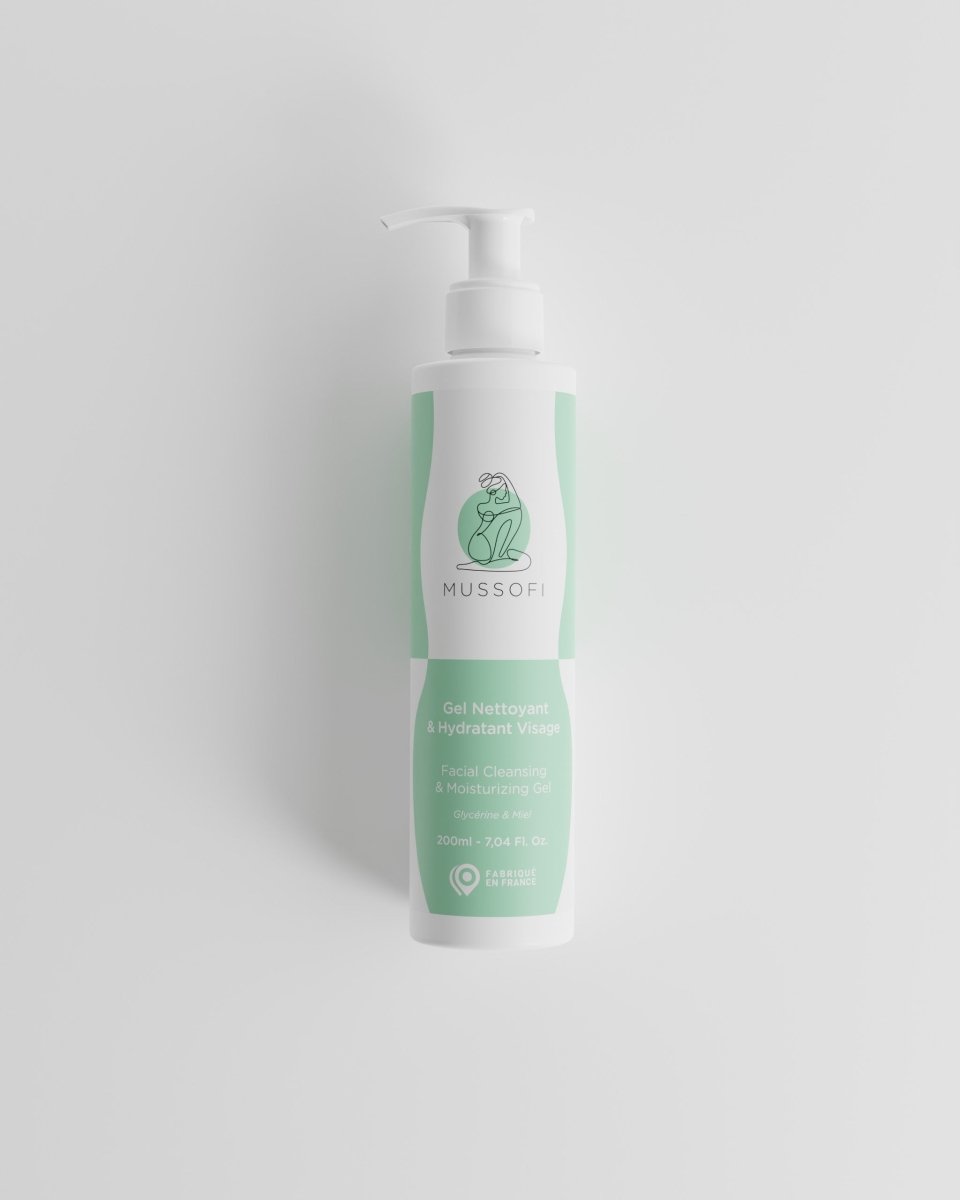
Use a moisturizing cleansing gel without soap or fragrance, formulated with gentle surfactants (glucosides). Mussofi Moisturizing Cleansing Gel , enriched with soothing honey and sulfate-free, cleanses without stripping the skin's hydrolipidic film. Its creamy foam texture respects sensitive skin while removing overnight residue.
Moisten your face with lukewarm water (never hot, to avoid dehydration). Place a small amount of gel in your palm, emulsify with a few drops of water, then massage your face in circular motions for 30 seconds. Pay particular attention to the T-zone (forehead, nose, chin) where sebum tends to accumulate. Rinse thoroughly with lukewarm water and pat dry with a clean towel, without rubbing.
This step should be done once a day in the morning. Too frequent cleansing paradoxically stimulates sebum production, a compensatory mechanism of the skin when it feels attacked.
Step 2: Toning (2 minutes)
Toning rebalances the skin's pH after cleansing and prepares it to absorb serums. This often-neglected step significantly improves the effectiveness of subsequent skincare products.
Opt for rose hydrosol or hibiscus floral water, which are naturally astringent and soothing. Avoid toners containing alcohol, which dry out dark skin.
Spray directly onto the face or apply with a reusable cotton pad by gently patting. Leave the skin slightly damp to optimize serum absorption. Repeat this step once a day in the morning, after each cleansing.
Step 3: Targeted serum (3 minutes)
The serum concentrates powerful active ingredients in a lightweight, fast-absorbing texture. For your morning skincare routine for dark skin, opt for antioxidant, unifying, or hydrating serums.

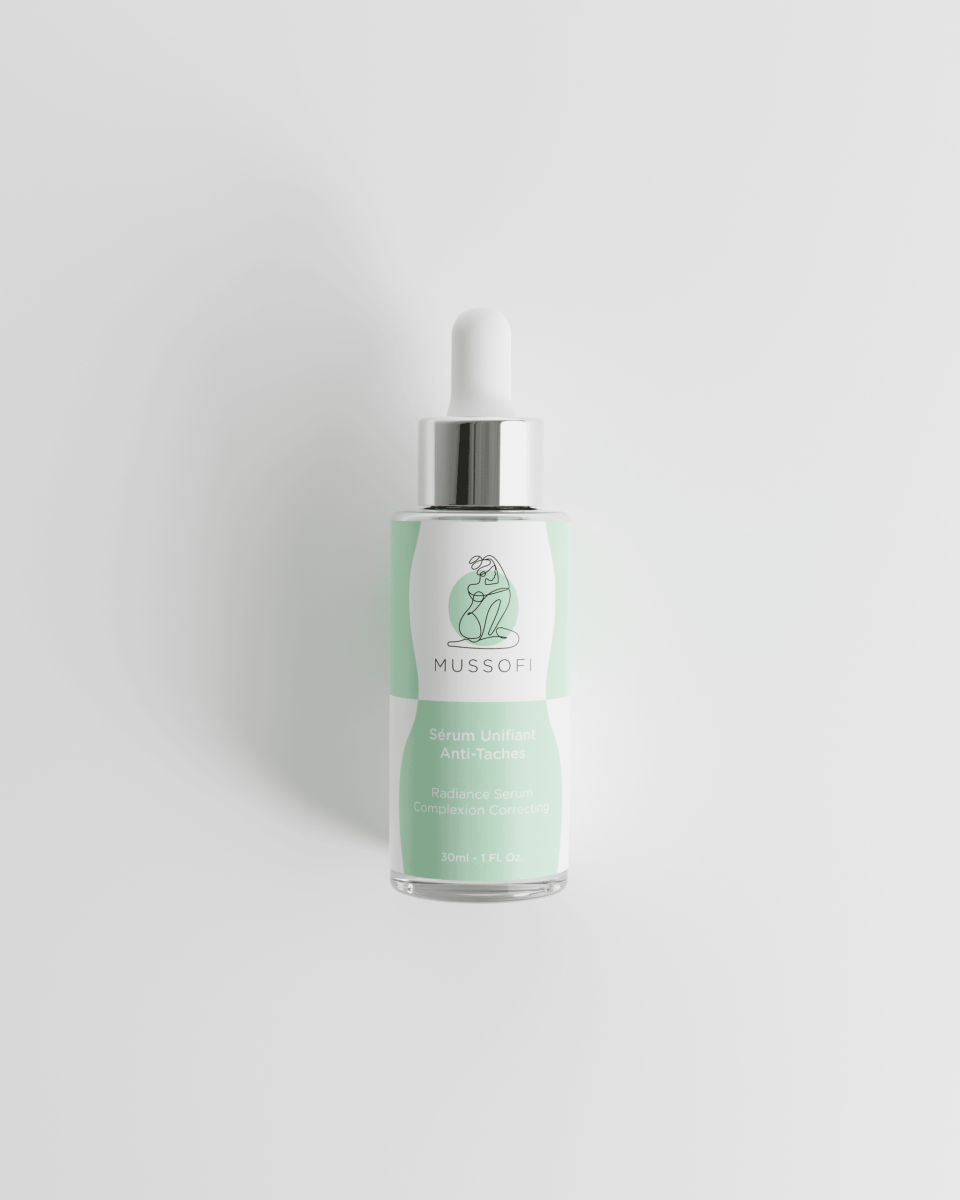
Mussofi's Anti-Dark Spot Radiance Serum combines vitamin C (ascorbyl glucoside) and shikimic acid. Vitamin C inhibits tyrosinase by interacting with its copper ions at the active site , thus reducing melanin formation, while shikimic acid accelerates cell renewal. The result: a more even complexion and restored natural radiance in just 3 days, according to our internal dermatological tests.
Place 3 to 4 drops of serum in the palm of your hand, warm it between your hands, then gently press onto your face and neck. Avoid rubbing; gentle pressure promotes better absorption. Pay particular attention to areas with dark spots.
For combination to oily skin, opt for a 5-10% niacinamide serum, which regulates sebum and reduces enlarged pores. Dry skin will benefit from a hyaluronic acid serum to retain moisture and plump the skin. Sensitive skin will benefit from a centella asiatica serum to soothe inflammation.
Apply this serum once a day in the morning. Wait 1 minute before applying moisturizer.
Step 4: Hydration (3 minutes)
Hydration seals in the serum's active ingredients and strengthens the skin barrier. An effective face cream for dark skin combines moisturizing agents (glycerin, hyaluronic acid) and nourishing lipids (shea butter, plant oils).

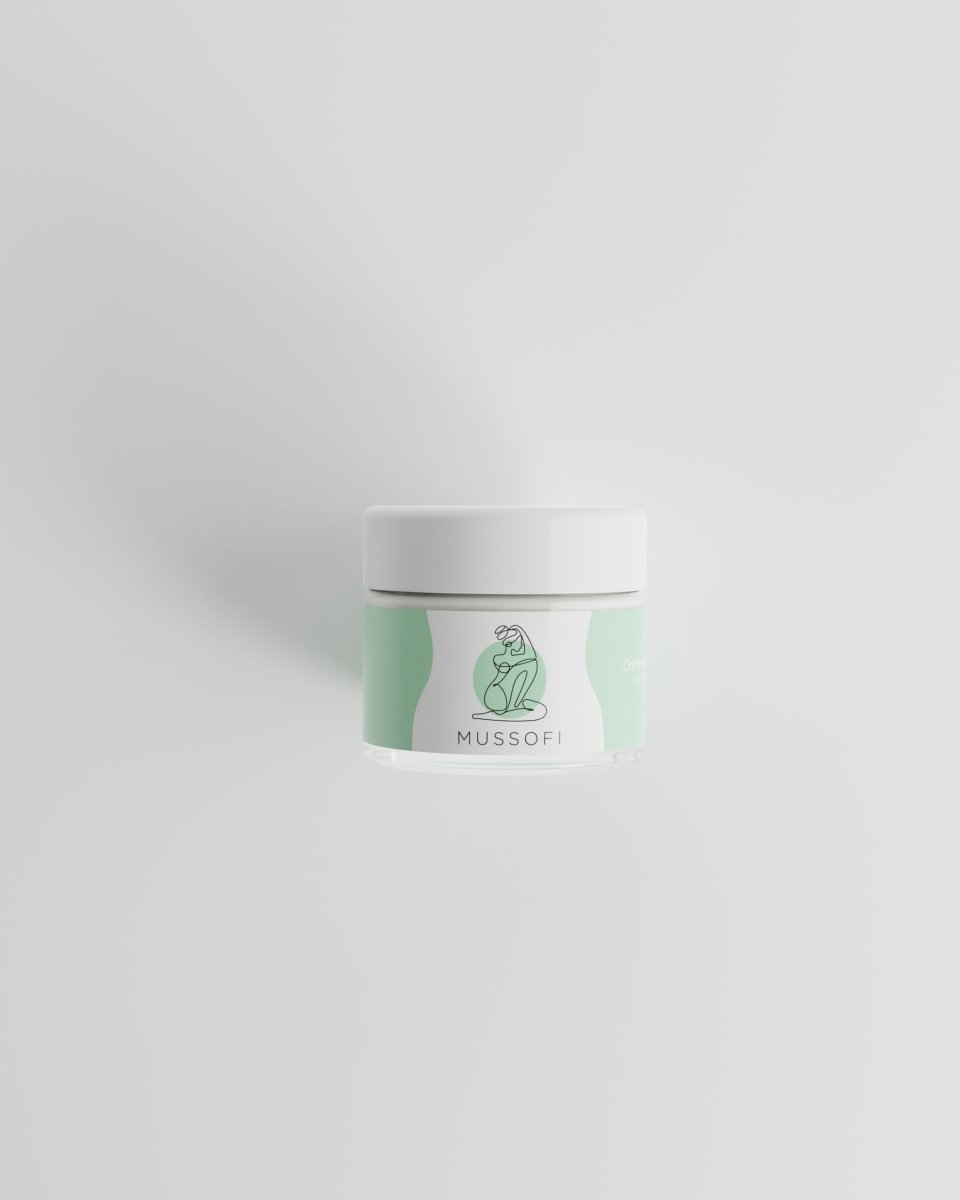
Mussofi's Radiance Anti-Dark Spot Cream incorporates prebiotics and postbiotics to rebalance the skin microbiota, which is often disrupted in blemish-prone skin. Its melting texture moisturizes without leaving a greasy residue, making it ideal under makeup.
Take a small amount of cream, warm it between your hands, then massage it onto your face using upward strokes (from your chin to your forehead, from the center outwards). This technique stimulates microcirculation and promotes radiance. Don't forget your neck and décolleté, often neglected areas that age quickly.
Oily skin types will prefer a light, non-comedogenic gel-cream. Combination skin types will opt for a moisturizing fluid cream. Dry skin requires a rich, nourishing cream. This step should be performed once a day in the morning, on clean, toned skin.
Step 5: Sun protection (3 minutes)
Sun protection is the most critical step in any skincare routine for dark skin. UVA rays stimulate melanin production and worsen hyperpigmentation, even without a visible sunburn. Dermatologists agree that the absence of daily SPF largely negates the effects of anti-dark spot serums.
Choose a broad-spectrum (UVA+UVB) sunscreen with SPF 30 or higher, without a white cast. New tinted formulas are available to suit darker skin tones and offer a natural finish. Opt for mineral (micronized zinc oxide) or organic (avobenzone, octinoxate) filters depending on your skin sensitivity.
Apply a teaspoonful of sunscreen to your face and neck. Wait 15 minutes before sun exposure to allow the filters to absorb. Reapply every 2 hours if you plan to be in the sun for an extended period.
For everyday use in the office or indoors, an SPF 15-30 is sufficient. For moderate exposure in the city or during outdoor activities, opt for an SPF 30-50. If you are undergoing a dark spot treatment, you must use an SPF 50+. For intense sun exposure (beach, mountains), an SPF 50+ with frequent reapplication is essential.
This step is performed every day, 365 days a year, regardless of the weather. UVA rays penetrate clouds and windows. The total time for this morning routine is 16 minutes, an investment that effectively protects against daytime aggressors while preparing the skin to receive the evening's regenerating treatments.
Evening Facial Routine: Regeneration & Repair
The evening skincare routine for dark skin differs fundamentally from the morning routine. During sleep, the skin activates its cellular regeneration process: epidermal renewal is more active in the second half of the night, collagen production peaks, and the skin becomes more receptive to concentrated active ingredients. This biological window justifies the use of powerful serums and rich textures in the evening.
Step 1: Makeup removal (5 minutes)
Makeup removal is the first step in double cleansing, an essential technique for dark skin that accumulates pollution, sebum, and makeup throughout the day. This step dissolves lipophilic impurities (waterproof makeup, excess sebum, sunscreens) that water alone cannot remove.
Use a cleansing oil or a melting balm made with jojoba, black cumin, or moringa oil. Jojoba oil, which is similar to human sebum, regulates sebum production without clogging pores. Black cumin oil has valuable anti-inflammatory properties for acne-prone skin.
Apply the oil to dry (never damp) skin, massage in circular motions for 1 minute, paying particular attention to areas with makeup (eyes, lips). The oil transforms into a milk upon contact with water. Emulsify with a little warm water, then rinse thoroughly. Any white residue will disappear after a second cleansing.
This step should be done every night, even without makeup. Sunscreen and pollution necessitate oil-based makeup removal.
Step 2: Deep cleaning (5 minutes)
The second cleansing removes makeup oil residue and hydrophilic impurities (sweat, dust, pollution). It's the same cleansing gel as in the morning, applied for a longer period to deeply purify pores.
Mussofi Cleansing Gel cleanses gently, leaving skin clean but never tight. Massage the gel in circular motions for a full minute (compared to 30 seconds in the morning). This extended time unclogs pores without irritating them. Focus on the T-zone, which is more prone to blackheads. Rinse with lukewarm water and pat dry gently.
This step is done every night, after removing makeup.
Step 3: Gentle exfoliation (2-3 times a week, 5 minutes)
Exfoliation accelerates cell renewal and removes dead skin cells that dull the complexion of dark skin. This step, incorporated 2 to 3 times a week into the evening routine, reveals a brighter complexion and significantly improves the absorption of serums.
Three types of exfoliants are suitable for dark skin: mechanical exfoliation uses very fine grains (apricot kernel powder, jojoba beads) for a gentle action. Enzymatic exfoliation uses papaya or pineapple enzymes that dissolve the bonds between dead skin cells, ideal for sensitive skin. Chemical exfoliation uses AHAs (glycolic acid 5-10%) or BHAs (salicylic acid 2%) for combination to oily skin.
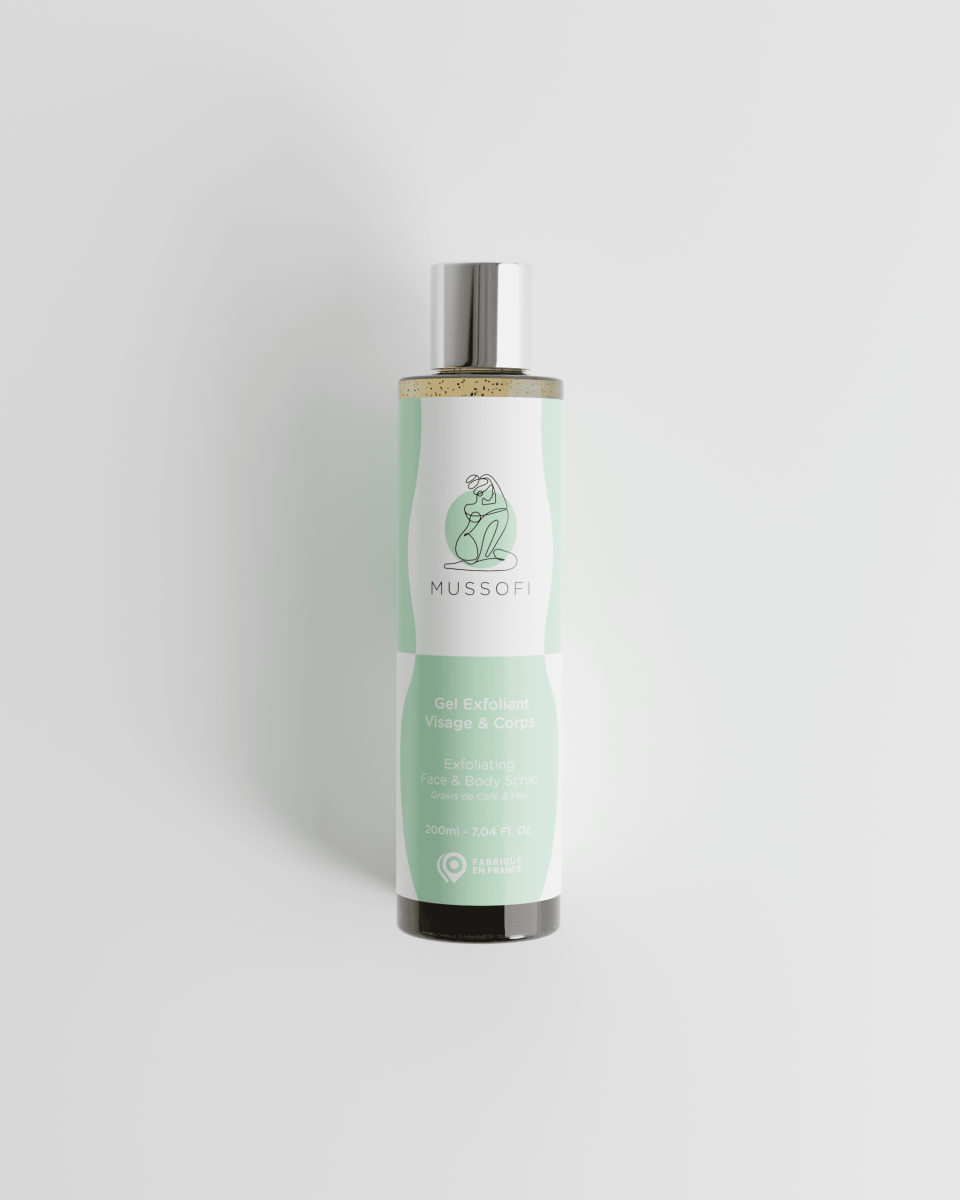
Mussofi Exfoliating Cleansing Gel combines the gentle mechanical action of ground coffee and the enzymatic action of honey, for exfoliation that respects sensitive black skin.
After double cleansing, apply the exfoliating gel to damp skin. Massage in very gentle circular motions for up to 1 minute. Avoid the eye area. Rinse thoroughly with lukewarm water. Skin is immediately softer and more radiant.
Never exfoliate irritated skin, skin with inflammatory acne, or recent blemishes. Exfoliation will worsen hyperpigmentation . Wait until the area is completely healed. Exfoliate twice a week for normal to combination skin, once a week for sensitive or dry skin, and three times a week for oily, acne-prone skin.
Step 4: Toning (2 minutes)
This step is identical to the morning routine: apply rose hydrosol or hibiscus floral water to rebalance the pH and prepare the skin for concentrated serums.
Step 5: Intensive serum (5 minutes)
In the evening, serums can be more concentrated in powerful active ingredients because the skin is not exposed to external aggressors overnight. This is the ideal time to use photosensitizing ingredients (retinol, exfoliating acids) or higher concentrations.
For hyperpigmentation, Mussofi Vitamin C + Shikimic Acid Serum can be applied in a higher concentration at night. You can also opt for a 10% Niacinamide + 10% Azelaic Acid serum, a powerful combination that inhibits melanosome transfer by 35 to 68% and reduces existing spots (Hakozaki et al., British Journal of Dermatology, 2002). According to our internal use study (IUS), 75% of users noticed a reduction in spots after just one week.
For acne and blemishes, opt for a 2% salicylic acid (BHA) serum, which penetrates pores, dissolves sebum plugs, and prevents inflammation. A 5-10% niacinamide serum with zinc regulates sebum and soothes pimples.
For skin aging, opt for a 0.3-1% retinol serum (start with a low concentration), a gold standard active ingredient that stimulates collagen production and accelerates cell renewal. Caution: retinol is photosensitizing; use only at night, and SPF 50+ sunscreen is mandatory the following day.
For dehydration, pure hyaluronic acid serum can absorb up to a thousand times its weight in water. Apply to slightly damp skin to maximize its plumping effect.
Place 3 to 5 drops of serum in your palm, warm it, and gently press it onto your face and neck. Wait 2 minutes (optimal absorption time) before applying your night cream.
Never mix vitamin C and retinol in the same routine (risk of irritation). Alternate: vitamin C 3 nights, retinol 2 nights, a 2-night break for sensitive skin.
Apply every night for gentle serums (vitamin C, niacinamide, hyaluronic acid). Use 2 to 3 times a week for powerful active ingredients (retinol, AHA/BHA).
Step 6: Night cream (5 minutes)
Night cream differs from day cream in its richer texture and higher concentration of restorative active ingredients. During sleep, the skin loses more water through transepidermal evaporation. A nourishing night cream compensates for this loss and supports cell regeneration.
Choose a night cream rich in shea butter, moringa oil, ceramides, and peptides. Ceramides rebuild the lipid barrier, while peptides stimulate collagen synthesis. Since darker skin tones naturally have lower ceramide levels than lighter skin tones , this nighttime supplementation is particularly crucial.
Take a generous dollop of cream, warm it between your hands, and massage it onto your face in upward motions. Finish by gently pressing along your cheekbones to drain accumulated toxins.
Oily skin types should opt for a light gel-cream enriched with sebum-regulating ingredients (niacinamide, zinc). Combination skin types should choose a fluid, moisturizing, and nourishing cream. Dry skin types should favor a rich, creamy balm with plant-based butters.
For very dry skin, the "slugging" technique involves applying a thin layer of pure plant oil (jojoba, argan, moringa) after night cream to seal in moisture. Upon waking, the skin is plump and supple.
This step is performed every evening, as the final step in the routine. The total time for the evening routine is 25-30 minutes (including exfoliation). This evening skincare routine for dark skin maximizes the skin's nighttime regeneration potential and prepares it to face a new day.
Adapt the Routine According to Your Skin Type
A basic skincare routine for dark skin requires adjustments depending on your skin type. Contrary to popular belief, not all dark skin is oily: profiles vary widely between combination, dry, and oily skin, according to dermatological studies on dark phototypes.
Routine for combination black skin
Combination skin has an oily T-zone (forehead, nose, chin) with enlarged pores and shine, while the cheeks remain normal to dry. This duality requires a flexible approach.
Use a gentle cleansing gel (same as your basic routine) morning and night. Avoid harsh cleansers that stimulate sebum production in the T-zone while drying out your cheeks.
For toning, apply rose hydrosol to soothe, or witch hazel floral water to the T-zone only (astringent effect).
Regarding the serum, the 5% niacinamide, applied morning and evening, regulates sebum in the T-zone and hydrates the cheeks. Supplement this three times a week with a 2% salicylic acid serum in the evening, applied only to the T-zone.
For hydration, opt for a light, fluid cream all over your face in the morning, and a richer cream on your cheeks in the evening. The "multi-masking" technique involves applying a purifying clay mask to your T-zone and a hydrating mask to your cheeks once a week.
Exfoliate twice a week, paying particular attention to the T-zone to unclog pores. Apply a fluid, non-greasy SPF 30 sunscreen.
Routine for oily black skin
Oily skin produces excess sebum all over the face, causing shine, enlarged pores, and a tendency to break out. The goal is to regulate without irritating the skin, because the more you strip it of its natural oils, the more sebum it produces to compensate.
Double cleansing in the evening is essential (light oil such as jojoba + purifying cleansing gel). In the morning, a gentle cleansing gel is sufficient.
For toning, use a tea tree or rosemary hydrosol, which are naturally purifying and astringent.
For serums, apply 10% niacinamide + zinc in the morning to regulate sebum. In the evening, use 2% salicylic acid (BHA) three times a week to unclog pores. Alternate with a hyaluronic acid serum on the other nights (hydration paradoxically reduces sebum production).
For hydration, choose a light, non-comedogenic gel-cream enriched with mattifying ingredients (rice powder, silica). Absolutely avoid occlusive oils (coconut, olive) that clog pores. Opt instead for jojoba or black seed oil, which regulate sebum production.
Exfoliate three times a week with exfoliating acids (AHA/BHA) to refine skin texture and reduce blackheads. Follow with a green clay mask once a week to absorb excess oil.
Apply an ultra-light, mattifying SPF 30-50 sunscreen. The new compact powder SPF formulations are ideal for oily skin.
Never skip moisturizing. Oily, dehydrated skin produces even more sebum. Moisturize with lightweight textures, but moisturize.
Routine for dry black skin
Dry skin lacks lipids (sebum), causing tightness, visible flaking ("peeling skin"), a dull complexion, and a feeling of discomfort. Dry black skin often has a characteristic grayish appearance due to the accumulation of dead skin cells.
Use a creamy cleansing milk or cleansing oil in the evening. In the morning, a simple rinse with lukewarm water or a hydrating mist is sufficient (avoid double cleansing which dries out the skin).
For toning, opt for rose hydrosol or orange blossom water, which are ultra-soothing.
For the serum, apply pure hyaluronic acid morning and evening to slightly damp skin to retain moisture. Supplement twice a week with a ceramide and cholesterol serum to rebuild the lipid barrier.
For hydration, opt for Mussofi Cream , rich in shea butter, moringa oil, and enriched with prebiotics. In the evening, layer a pure plant oil (argan, avocado, baobab) using a slugging technique to seal in moisture.
Exfoliate a maximum of once a week with a gentle enzymatic exfoliant (papaya, pineapple) rather than a mechanical one. Exfoliation removes dead skin cells that give a grayish appearance, but be careful not to further weaken the skin barrier.
Apply a moisturizing mask with honey, aloe vera or avocado twice a week. Leave on for 15 minutes for deep hydration.
Choose a creamy SPF 30 sunscreen enriched with plant oils. Mineral sunscreens (zinc oxide) can be drying; opt for organic filters for dry skin.
Invest in an air humidifier to maintain skin hydration overnight, especially in winter (drying heating).
Essential Products for a Skincare Routine for Black Skin
An effective skincare routine for dark skin relies on 5 essential product categories. Each fulfills a specific function and should be chosen according to your skin type and concerns. Discover our complete selection in our MUSSOFI gift sets and routines .
Gentle, soap-free cleanser
Cleansing is the foundation of any skincare routine. For dark skin, it must cleanse without stripping the protective hydrolipidic film. Opt for gels or foams that are sulfate-free (SLS/SLES), soap-free, and have a pH close to that of the skin (5.5).
Look for ingredients such as mild surfactants (glucosides), soothing honey, moisturizing aloe vera, and glycerin.
Mussofi's Moisturizing Cleansing Gel (200ml, fragrance-free, soap-free, dermatologically tested on 74 panelists) is a benchmark product. Suggested retail price: €13.99 for 200ml, lasts 2-3 months.
Anti-dark spot unifying serum
This serum concentrates powerful active ingredients in a lightweight, fast-absorbing formula. For dark skin prone to hyperpigmentation , a unifying serum is essential.
Look for ingredients such as vitamin C (ascorbic acid, ascorbyl glucoside), shikimic acid, niacinamide 5-10%, azelaic acid 10% and kojic acid.
Mussofi's Anti-Dark Spot Radiance Serum , formulated with vitamin C and shikimic acid, incorporates patented active ingredients specifically for dark skin. Visible results for radiance in just 3 days. According to our internal usage study (DIP), 75% of users noticed a reduction in dark spots after just one week. Suggested retail price: €41.99 for 30ml, lasts 2-3 months.
Suitable moisturizing cream
A moisturizing face cream for dark skin should combine hydration (water) and nourishment (lipids). Since dark skin naturally lacks ceramides, look for formulas enriched with structuring lipids.
Look for ingredients like hyaluronic acid, glycerin, shea butter, coconut oil, ceramides, and prebiotics/postbiotics.
Textures vary according to skin type: gel cream 50-70% water for oily skin, fluid cream 40-50% water for combination skin, rich cream 20-30% water + vegetable oils for dry skin.
Mussofi's Anti-Dark Spot Radiance Cream , enriched with prebiotics to rebalance the skin's microbiota, offers a reliable solution. Suggested retail price: €39.99 for 50ml, lasts 1.5-2 months.
Sunscreen SPF 30 minimum
Sunscreen is the most important product in any skincare routine for dark skin. UVA rays worsen hyperpigmentation even without sunburn. Choose a formula with no white cast, broad spectrum (UVA+UVB), and a minimum SPF of 30.
Look for micronized mineral filters (zinc oxide, titanium dioxide) or organic filters (avobenzone, octinoxate). Approximate price: €15-25 for 50ml, lasts 1-2 months.
Gentle exfoliating gel
Exfoliation removes dead skin cells that dull the complexion of dark skin. Opt for gentle exfoliation 1 to 3 times a week, depending on your skin type.
Types of exfoliants include: mechanical exfoliation with very fine grains (ground coffee, apricot kernel powder), enzymatic exfoliation with papaya or pineapple enzymes (ideal for sensitive skin), and chemical exfoliation with AHA (glycolic acid 5-10%) or BHA (salicylic acid 2%).
Mussofi's Exfoliating Cleansing Gel with coffee and honey offers gentle mechanical and enzymatic exfoliation. Approximate price: €18-25 for 200ml, lasts 3-4 months.
The total budget for a complete routine (cleanser + serum + cream + SPF + exfoliator) is €90-130 for a period of 2-3 months. Average investment: €30-45/month for radiant and even-toned skin.
The 5 Common Mistakes to Avoid
Even with the best products, certain mistakes can negate the benefits of a skincare routine for dark skin. Here are the 5 most common errors identified during dermatological consultations and user feedback.
Neglecting hydration because the skin is shiny
Many women with oily skin confuse shine (excess sebum) with hydration (water in the cells). Skin can be both oily AND dehydrated. As a result, by avoiding hydration, the skin produces even more sebum to compensate. The solution: hydrate with a light, non-comedogenic gel-cream enriched with hyaluronic acid.
Forget about daily sunscreen
"Black skin doesn't need sun protection" is the most dangerous myth. Melanin offers natural protection, measured at around SPF 13 , which is insufficient against UVA rays that penetrate deeply and stimulate hyperpigmentation. The solution: SPF 30 minimum every day, 365 days a year, even in winter, even indoors (UVA rays pass through glass).
Over-exfoliating the skin
Exfoliation reveals a radiant complexion, but excessive exfoliation (daily or with overly abrasive grains) weakens the skin barrier and stimulates reactive hyperpigmentation . The solution: exfoliate a maximum of 1 to 3 times per week, using gentle exfoliants (enzymatic for sensitive skin, fine mechanical for normal skin, chemical for oily skin).
Copying unsuitable routines
Black skin has specific needs that generic routines don't address. Layering 10 non-targeted products overloads the skin without treating the underlying issues (hyperpigmentation, dehydration). The solution: opt for a simple, targeted routine (5-7 steps maximum) with products formulated for Black skin or tested on darker skin tones.
Mixing incompatible assets
Some active ingredients cancel each other out or cause irritation when mixed: vitamin C + retinol (irritation), niacinamide + pure ascorbic acid (cancellation), BHA + retinol (major irritation). The solution: alternate potent active ingredients (vitamin C in the morning, retinol in the evening) and respect the application times (1-2 minutes between serum and cream).
By avoiding these 5 mistakes, you maximize the effectiveness of your skincare routine for dark skin and get visible results from the first few weeks.
When and How to Introduce New Products
Introducing new products into an established skincare routine for dark skin requires patience and a methodical approach. Dark skin, often more prone to irritations that trigger hyperpigmentation, does not tolerate sudden changes.
Rule of systematic "patch testing"
Before incorporating a new product into your routine, test it for 48 hours on a discreet area (behind the ear or on the neck). Apply a small amount, wait 24 hours, then repeat. If no reaction (redness, itching, tingling) occurs, the product is well-tolerated.
Gradual introduction: 1 product at a time
Never introduce several new products at the same time. If a reaction occurs, it will be impossible to identify the cause. Introduce only one new product every 7 to 10 days. This period allows you to observe the effects and tolerance.
Progression by frequency
For powerful active ingredients (retinol, exfoliating acids), start with weekly application, then gradually increase: once the first week, twice the second, three times the third, until you reach the optimal frequency. This gradual increase helps prevent irritation.
Adaptation period: minimum 4 to 6 weeks
Allow at least four weeks for a new product to work before judging its effectiveness. Skin cell renewal takes 28 days in young adults and up to 40 days after age 40. Results on hyperpigmentation take four to twelve weeks, depending on the depth of the spots.
Signs of intolerance to watch for
Stop using the product immediately if you experience: persistent redness, intense itching, a burning sensation, excessive peeling, the appearance of new dark spots, or inflamed bumps. Consult a dermatologist if symptoms persist for more than 48 hours after stopping use.
This methodical approach guarantees an effective and perfectly tolerated facial skincare routine for black skin .
Frequently Asked Questions
What is the difference between a morning and evening routine for black skin?
The morning routine protects the skin from daytime aggressors (pollution, UV rays, blue light) with lightweight textures and essential sun protection. The evening routine regenerates and repairs the skin while you sleep with concentrated active ingredients (retinol, exfoliating acids) and richer textures. Cleansing also differs: a simple gel in the morning, and a double cleanse (oil + gel) in the evening to remove makeup and pollution.
How long before you see results on pigment spots?
Results vary depending on the depth of the spots. Recent superficial spots (post-acne, irritation) fade in 4 to 8 weeks with a targeted routine (vitamin C, niacinamide, daily SPF). Older or deeper spots (melasma, established hyperpigmentation) require 3 to 6 months of continuous treatment. According to our internal usage study (DIP), 75% of Mussofi users noticed a visible reduction after just one week thanks to the patented active ingredients.
Can the same products be used on black skin as on light skin?
Technically yes, but dark skin has specific characteristics (reactive hyperpigmentation, ceramide deficiency, frequent dehydration) that require adapted formulas. Opt for products tested on dark skin or specifically formulated for phototypes IV to VI. Avoid products containing hydroquinone (banned in Europe, irritating to dark skin) or excessive concentrations of acids (risk of reactive hyperpigmentation).
Which SPF sunscreen should I choose for dark skin?
SPF 30 minimum for daily use (office, city), SPF 50 for prolonged exposure (beach, mountains) or if you are undergoing anti-dark spot treatment. Opt for formulas that don't leave a white cast (micronized mineral or organic filters), offer broad-spectrum protection (UVA+UVB), and are non-comedogenic. New tinted creams are available to suit darker skin tones.
Does black skin need a different night cream than day cream?
Yes, because skin needs differ day and night. During the day, skin needs protection (antioxidants, SPF) and lightweight textures under makeup. At night, it requires repair (ceramides, peptides, nourishing oils) with richer textures. Skin loses more water during sleep through transepidermal evaporation; a nourishing night cream compensates for this loss.
Can vitamin C and retinol be combined in the same routine?
No, not in the same application. These two powerful active ingredients can cancel each other out or cause irritation. Use vitamin C in the morning (antioxidant effect + radiance boost) and retinol in the evening (cell regeneration). Leave at least 12 hours between applications. If your skin is sensitive, alternate: vitamin C for 3 days, retinol for 2 days, then a 2-day break.
How much does a complete skincare routine for dark skin cost?
A complete routine (cleanser + serum + cream + SPF + exfoliator) costs between €90 and €130 for 2-3 months' worth of products. Average investment: €30-45/month. Mussofi routines offer excellent value for money with patented, dermatologically tested formulas.
Conclusion
An effective skincare routine for dark skin relies on understanding your skin's specific needs and methodically applying targeted steps, morning and evening. The protocol detailed in this guide—gentle cleansing, toning, unifying serum, appropriate hydration, and essential sun protection—addresses the three major concerns of dark skin: hyperpigmentation, dehydration, and skin sensitivity.
The results of a well-balanced skincare routine for dark skin appear gradually: radiance is restored in just 3 days, dark spots are visibly reduced in 1 week, and the complexion is evened out and the texture refined in 4 to 8 weeks. This timeframe corresponds to natural cell renewal and the action of targeted active ingredients ( vitamin C , niacinamide, shikimic acid).
Investing in a suitable skincare routine for dark skin—around €30 to €45 per month—results in visibly healthier, more radiant, and more even-toned skin. Mussofi's patented formulas, dermatologically tested on 74 panelists, offer natural and effective solutions specifically designed for darker skin tones.
To complete your skincare routine, also discover our range of body care products for dark skin , our guide to treating hyperpigmentation deep down , and our MUSSOFI story and expertise . Radiant skin starts with a suitable routine, followed regularly.