Nadia Ongbiboue
Rédigé par Nadia Ongbiboue · Co-fondatrice, MUSSOFI ·

Introduction

Hyperpigmentation is one of the most common beauty concerns among women with dark and mixed-race skin. Whether it's brown spots after an acne breakout, uneven patches on the face, or persistent dark circles, hyperpigmentation can become a source of insecurity and discomfort. However, this natural skin reaction is not inevitable. Understanding its origins and knowing the appropriate solutions can help restore a unified and radiant complexion.

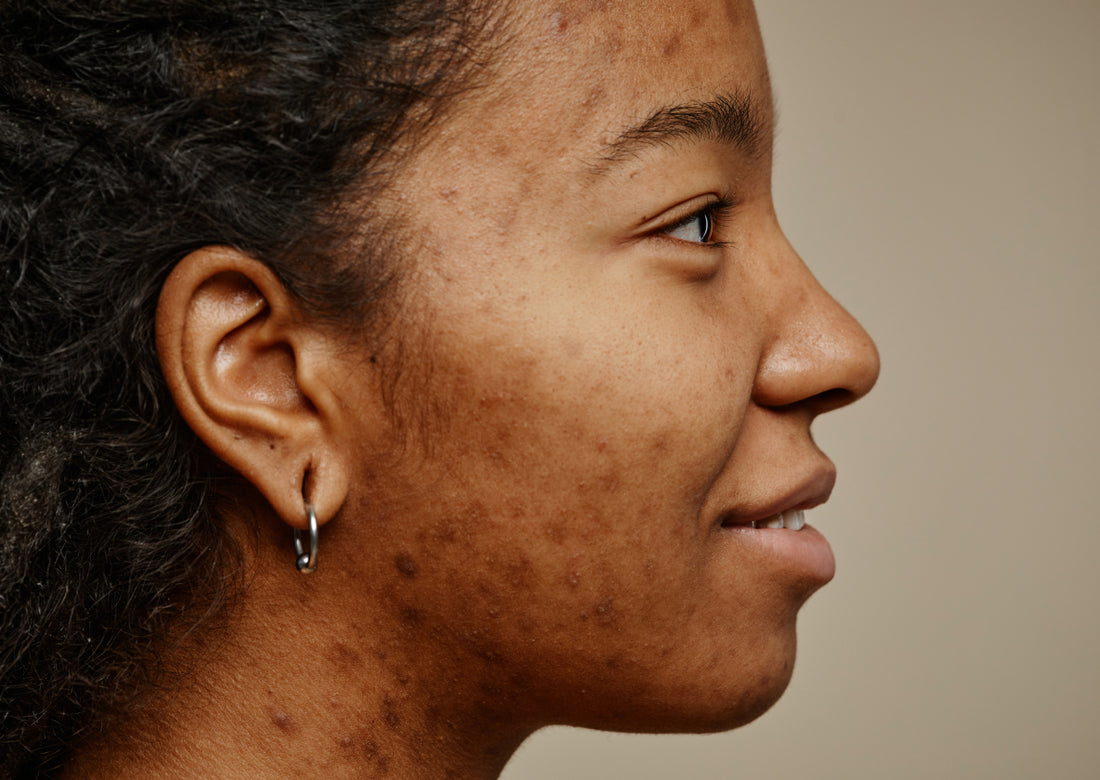
Your dark skin naturally produces more melanin, the protective pigment that gives you your beautiful color. This abundant production is a strength, a natural protection against UV rays. But it also means that your skin reacts more intensely to external aggressors. Every inflammation, every friction, every sun exposure can leave a more pronounced pigmented mark than on lighter skin. This characteristic is what makes hyperpigmentation more frequent and often more persistent in your case.

In this comprehensive guide, we explore the scientific causes of hyperpigmentation in dark skin, break down the four main types, evaluate effective treatments both natural and dermatological, and offer a personalized routine to restore evenness and clarity. Based on current dermatological research and enhanced with Mussofi's patented innovations, this guide provides a holistic view of hyperpigmentation treatment.

Understanding Hyperpigmentation in Dark Skin

What is hyperpigmentation? A question of skin biology

Hyperpigmentation is the abnormal accumulation of melanin in certain areas of your skin. To better understand this phenomenon, imagine melanin as tiny microscopic factories located in your epidermis. These factories, called melanocytes, normally produce melanin to protect your skin from UV rays. This is what gives you that beautiful, natural skin tone.

Hyperpigmentation – Zax's Original

In people with dark and mixed-race skin, melanocytes are significantly larger and transfer more melanosomes to the epidermis due to higher tyrosinase activity. This is an extraordinary biological adaptation that provides intrinsic UV protection. However, this heightened reactivity also means that any aggression—inflammation, acne, friction, sun exposure—can trigger localized melanin overproduction. These areas of overproduction remain visible longer and more intensely than on lighter skin, simply because there is more pigment to eliminate.

The biological process behind this reaction is fascinating. When your skin is damaged, it sends an alarm signal to melanocytes, prompting them to produce more melanin as a natural defense. In dark skin, this defense system operates at a different level, producing more pigment and for a longer duration. This is why even minor acne scars can leave persistent brown spots. Understanding this specific biology is the first step to accepting this characteristic and treating it effectively.

The four types of hyperpigmentation you need to know

Hyperpigmentation doesn't manifest the same way in everyone, and not all types require the same solutions. Recognizing the type of hyperpigmentation you have is essential for choosing the most appropriate treatment.

Post-inflammatory hyperpigmentation: your most common case

Post-inflammatory hyperpigmentation, often abbreviated as PIH, is by far the most common form of hyperpigmentation in dark skin. It results directly from skin irritation: an acne breakout, an irritation, even simple scratching or aggressive shaving. The skin, having undergone inflammation, protects itself by producing more melanin in that precise area. You then see a flat, brown or black spot appear, usually well-defined, in the exact spot where the irritation occurred. The incidence of HPI in dark-skinned people with acne can reach 65% , according to epidemiological data (StatPearls, NCBI).

What makes hyperpigmentation particularly visible on dark skin is simply the amount of melanin already present. Where fair skin might only show a slight pink tint after irritation, dark skin marks more deeply and permanently. But hyperpigmentation also has a positive characteristic: it is usually temporary. Without treatment, it can persist for six to twelve months, but it eventually disappears naturally as your skin renews its cells. With appropriate treatment , this period can be drastically shortened.

IPD also tends to worsen if you touch or scratch the affected areas. Each additional manipulation signals to your skin that there's still a problem, which prolongs melanin production. That's why the first rule against IPD is simple: don't touch it and let your skin heal naturally.

Melasma: When hormones complicate matters

Melasma is a more complex and persistent form of hyperpigmentation. Unlike postpartum hyperpigmentation (PPH), which results from a single incident, melasma usually appears without a clear, visible external cause. Hormones play a major role: pregnancy, oral contraceptives, or hormone replacement therapy can all trigger melasma. This is why you might notice women suddenly developing symmetrical brown patches on their cheeks, forehead, or upper lip during pregnancy.

Melasma appears as patches rather than spots. These patches are often symmetrical, affecting both sides of the face equally. Their intensity can vary depending on sun exposure, as UV rays worsen melasma even if they aren't the initial cause. What makes melasma frustrating is its persistence. Unlike hyperpigmentation, melasma doesn't disappear on its own. It may improve after pregnancy or by stopping birth control, but often the patches remain, at least partially.

Women with dark and mixed-race skin develop melasma more easily than women with fair skin, likely due to the greater reactivity of their melanocytes. Treating melasma is more demanding and generally requires a combined approach including strict sun protection and powerful depigmenting agents.

Solar lentigines: markers of time

Solar lentigines, commonly called age spots (although this term is somewhat inaccurate), result from cumulative sun exposure over the years. Unlike melasma, which can appear quickly and unexpectedly, lentigines develop gradually, spot by spot, often without you noticing at first. These spots are usually small and round, particularly visible on the hands, forearms, and face.

What differentiates lentigines from HPI and melasma is that they are permanent without dermatological treatment. A sunspot is essentially sun damage crystallized in your epidermis. Ordinary creams won't make them disappear, although they may slightly improve their appearance. To truly treat lentigines, you generally need a professional treatment such as laser therapy.

Periorbital hyperpigmentation: dark circles

Pigmented dark circles are a form of hyperpigmentation that specifically affects the area around the eyes. Unlike dark circles caused by fatigue or poor circulation, pigmented dark circles result from a genetic accumulation of melanin in this sensitive area. They can be aggravated by repeated rubbing—rubbing the eyes, improper makeup removal, wearing ill-fitting glasses—or by a strong family history of the condition.

Dark circles are particularly noticeable in people with dark skin because the concentration of melanin creates a distinct brownish-purple tint. They are among the most difficult to treat because the area around the eyes is very sensitive and doesn't always tolerate harsh treatments. However, a good moisturizing skincare routine and the use of gentle brightening agents can significantly improve them.

Why your dark skin reacts differently: the science of melanogenesis

Understanding why you are more prone to hyperpigmentation than women with fair skin helps you avoid blaming yourself for this biological reality. It's not a weakness of your skin; it's simply a characteristic of its biology.

Biologically, your melanocytes are different. They produce more melanin in response to any stimulus. A process called melanogenesis—the creation of melanin—is triggered more easily in you. This means that every sunburn, every acne breakout, every chemical irritation is likely to leave a pigmented mark. This isn't a weakness, but rather a specific sensitivity.

Furthermore, your skin has a distinctive inflammatory response. During inflammation, the cytokines, chemokines, and reactive oxygen species released stimulate melanocyte growth and melanin synthesis (PMC, 2022). This explains why even minor irritation can leave a visible mark, whereas on fair skin, the same irritation would disappear without a trace.

The good news? This melanocyte reactivity isn't inevitable. With the right active ingredients and adequate protection, you can modulate this natural reaction and achieve an even skin tone. Modern treatments for hyperpigmentation in dark skin are based on this scientific understanding.

Effective Treatments: Scientific Solutions Exist

Natural active ingredients that actually work

When it comes to treating hyperpigmentation, natural active ingredients offer a powerful approach that is generally well-tolerated by dark skin. These ingredients work through several mechanisms to gradually reduce the appearance of dark spots. Discover our unifying and anti-dark spot range formulated with these active ingredients.

Vitamin C: the ultimate unifying antioxidant

Vitamin C is one of the most scientifically documented ingredients for its effectiveness against hyperpigmentation. It inhibits tyrosinase by interacting with copper ions at its active site , thus reducing melanin formation, while also providing antioxidant protection that prevents oxidative stress causing further inflammation.

What makes Vitamin C particularly beneficial for you is that it doesn't just work on the surface. It penetrates the epidermis and acts directly on the melanocytes, reducing their overactivity. Furthermore, Vitamin C stimulates collagen production, providing an additional anti-aging benefit that improves your skin's texture and overall radiance.

However, not all forms of Vitamin C are created equal. The raw form, ascorbic acid, is highly unstable and oxidizes rapidly upon contact with air or water. Fortunately, stabilized forms like ascorbyl glucoside offer much better bioavailability. When properly formulated in a serum, Vitamin C will begin to improve the appearance of your dark spots within four to eight weeks of regular use.

Shikimic Acid: the gentle natural exfoliant

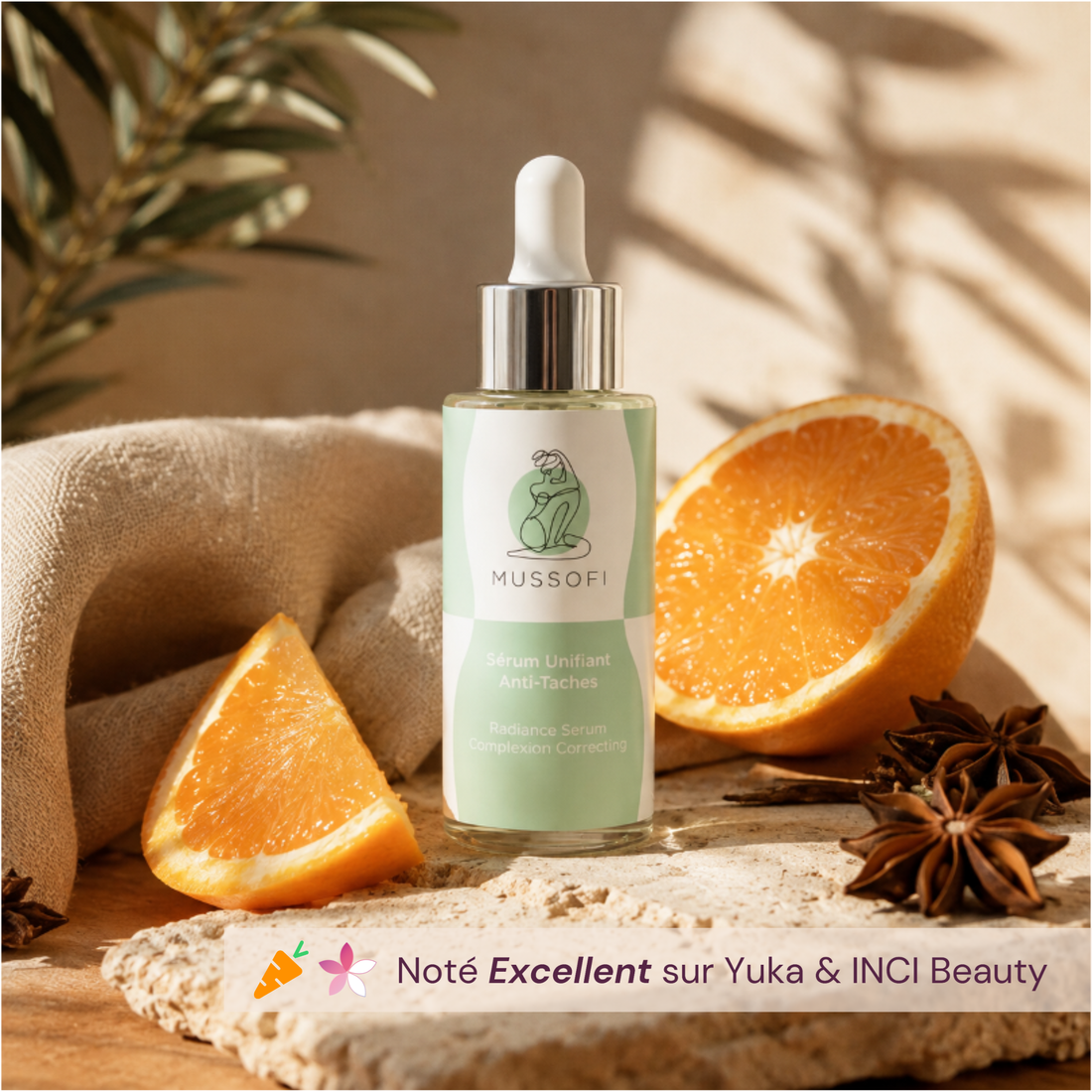
Shikimic acid, derived from star anise, is a lesser-known but remarkably effective ingredient for hyperpigmented dark skin. This acid offers a very gentle chemical exfoliation compared to traditional alpha-hydroxy acids, while also inhibiting tyrosinase. It is one of the key active ingredients in our Unifying and Anti-Dark Spot Facial Serum , formulated under our patent FR3155139.

What makes it particularly beneficial for your skin is its gentleness. Glycolic or salicylic acids, while popular, can be irritating to sensitive dark skin, paradoxically triggering more post-inflammatory hyperpigmentation. Shikimic acid offers an alternative: it gradually dissolves dead, pigmented cells on the surface of your skin, revealing the lighter complexion beneath, without damaging your skin barrier.

When used regularly, Shikimic Acid helps refine skin texture, reduce the appearance of superficial blemishes, and improve the penetration of other active ingredients. Results typically begin to be visible after two to six weeks of use.

Hyaluronic Acid: Deep hydration as a foundation

Although hyaluronic acid doesn't directly lighten skin, its role in treating hyperpigmentation is crucial. This ingredient retains up to a thousand times its weight in water, providing deep and lasting hydration to your skin.

Why is hydration so important in combating hyperpigmentation? Because well-hydrated skin regenerates more effectively. Cell renewal—the process by which your skin sheds old pigmented cells and produces new, lighter ones—is optimized when your skin is hydrated. Furthermore, well-hydrated skin has a stronger skin barrier, meaning it's less prone to the inflammation that triggers IPH.

Hyaluronic acid also acts as a carrier for other active ingredients. When your skin is deeply hydrated, serums and creams penetrate better and deliver their active ingredients more effectively to the cells that need them.

Plant-based prebiotics: the preventative approach

A plant-based prebiotic like Alpha-Glucan Oligosaccharide offers an innovative and preventative approach to hyperpigmentation. These ingredients rebalance your skin microbiome, the microscopic ecosystem that lives on your skin.

A healthy microbiome means less inflamed skin. And as you now know, inflammation signals increased melanin production. By maintaining a balanced microbiome, you reduce chronic inflammation and acne problems that lead to IPH. Furthermore, a healthy microbiome strengthens your skin's natural barrier, making it less permeable to external irritants.

Using a prebiotic is like installing long-term protection against future acne and hyperpigmentation breakouts. Results aren't dramatic or visible within days, but after three to six weeks, you'll notice an overall reduction in inflammation and healthier-looking skin.

MUSSOFI range of anti-dark spots for dark skin

Other recognized assets and their role

Beyond these main active ingredients, several others have demonstrated scientific efficacy against hyperpigmentation. Niacinamide, also known as Vitamin B3, inhibits the transfer of melanosomes to surface cells by 35 to 68% (Hakozaki et al., British Journal of Dermatology, 2002), while also offering anti-inflammatory properties. Used at a concentration of two to five percent, it gradually improves skin tone evenness after six to eight weeks.

Azelaic acid combines gentle exfoliation with tyrosinase inhibition. It is particularly beneficial for dark skin because it generally does not cause excessive irritation. Used at concentrations of ten to twenty percent, it helps reduce dark spots in six to ten weeks.

Retinoids, derived from Vitamin A, accelerate cell renewal and eliminate pigmented cells more quickly. However, they require special attention on dark skin because excessively high concentrations or too rapid an introduction can cause irritation, paradoxically leading to increased hyperpigmentation. Gradual introduction is essential.

Kojic acid, a natural tyrosinase inhibitor derived from fungi, offers a gentle alternative to other skin-lightening agents. While effective, it can cause allergic reactions in some skin types. Alpha-arbutin, a natural derivative of hydroquinone, provides skin-lightening properties without the risk of ochronosis associated with pure hydroquinone.

Dermatological treatments: when and why to consider them

When home treatments alone are insufficient, professional dermatological treatments offer an effective escalation. However, these treatments must be undertaken with caution and by practitioners experienced with dark skin, as incorrect dosage or an unsuitable technique can worsen hyperpigmentation.

Controlled chemical peels are a first option. Low-concentration acids—glycolic acid (20 to 30 percent), mandelic acid (known for its gentleness), or lactic acid—can be applied in monthly sessions for four to six months to gradually improve texture and reduce blemishes. Results are generally a 60 to 70 percent improvement after a full course of treatment, although there is a risk of post-inflammatory hyperpigmentation if the technique is not flawless.

Microdermabrasion works by mechanical exfoliation and can improve superficial blemishes. However, its effectiveness is generally moderate, offering approximately 40 to 50 percent improvement. Furthermore, there is a risk of excessive inflammation, especially if too many sessions are performed too quickly.

Q-switched or picosecond lasers offer the most dramatic results for solar lentigines and deeply pigmented spots, with improvements of 70 to 90 percent possible. However, and this is crucial, skin phototypes IV to VI are more susceptible to developing complications after certain peels or laser therapies , including erythema and hypertrophic scarring. Therefore, it is absolutely essential to consult a dermatologist with documented experience with dark skin who can show before-and-after photos of patients with phototypes similar to yours.

LED therapy or intense pulsed light (IPL) is generally not recommended for dark skin due to the significant risk of burns. The Nd:YAG laser is a safer alternative if you are considering laser treatment.

Ingredients to absolutely avoid

Some ingredients that may seem effective for hyperpigmentation are dangerously unsuitable for dark skin. Hydroquinone, while once popular, carries a risk of ochronosis—a paradoxical darkening of the skin—after prolonged use. Furthermore, it is addictive: spots often return even darker after discontinuation. Although available by prescription in Europe at concentrations as low as two percent, it is generally not a good option for long-term treatment in dark skin.

Topical corticosteroids, while they may seem effective quickly, cause serious side effects: skin thinning, stretch marks, and a rebound in pigmentation once treatment is stopped. They should only ever be used under strict medical supervision and for very short periods.

Some skin-lightening products sold on the black market or made by artisans contain mercury or other toxic metals. These products can cause irreversible kidney and neurological damage. Avoid any product whose full composition and manufacturing process you cannot verify.

Photosensitizing essential oils such as lemon, bergamot, or angelica can trigger chemical burns in the sun, directly causing post-inflammatory hyperpigmentation. If you use these essential oils, apply them strictly at night, never before sun exposure.

Your Complete Anti-Hyperpigmentation Routine

The four fundamental steps of an effective routine

An effective routine for combating hyperpigmentation rests on four pillars: gentle yet effective cleansing, targeted treatment with brightening active ingredients, deep hydration, and unwavering sun protection. These four steps, when followed consciously, create the optimal conditions for your skin to gradually regenerate and reveal a more even complexion. Discover our MUSSOFI kits and routines to get started easily.

Step 1: Gentle Cleansing, Your Foundation

Every routine begins with effective cleansing. A common mistake is thinking that cleansing means harsh. For your sensitive and hyperpigmented skin, it's the exact opposite. Stripping cleansers create inflammation, weakening your skin barrier. This is one of the common reasons why hyperpigmentation worsens.

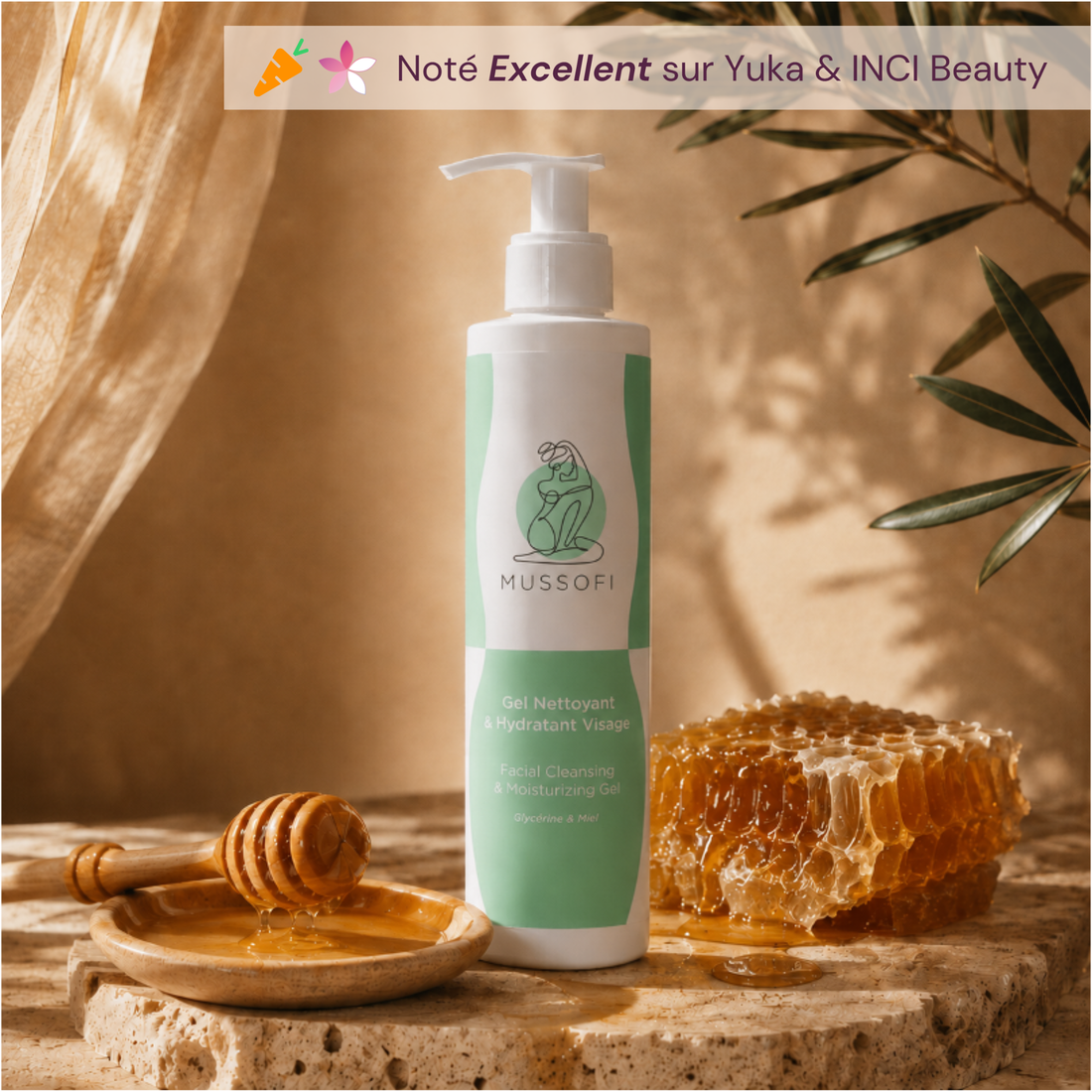
Use a gentle cleanser specifically formulated for your skin type. Look for a sulfate-free product that respects your skin's natural pH. Mussofi's Facial Cleansing Gel , for example, combines gentle surfactants that effectively remove impurities and pollution without stripping your skin of its natural moisture. Gently massage for about thirty seconds in circular motions, paying particular attention to the T-zone without being harsh. Rinse with lukewarm water, never hot, as hot water promotes vasodilation and inflammation. Pat dry gently, not by rubbing, which can irritate your skin.

This step, while seemingly simple, sets the tone for your entire routine. Clean but non-irritated skin is receptive to the treatments that follow.

A Black woman is washing her face with a foaming gel in her bathroom; we see her from behind, facing her mirror.

Step 2: Targeted Treatment, the Active Agent of Change

Immediately after cleansing, while your skin is still slightly damp, apply your serum or anti-dark spot treatment. The slight moisture helps the active ingredients penetrate. Use three to four drops of a serum concentrated in brightening actives, or the recommended amount of your chosen product.

A good anti-hyperpigmentation serum, like Mussofi's Face Serum , contains an optimal concentration of brightening active ingredients. Apply it first to your hyperpigmented areas—individual spots, melasma patches, dark circles—then gently massage it over your entire face in upward motions. These movements stimulate your blood circulation, improving the delivery of oxygen and nutrients to your skin. Wait a minute for the serum to be fully absorbed before proceeding to the next step.

The results of targeted treatment are not instant, but you will generally notice an improvement in overall brightness within three days. The spots themselves begin to fade noticeably after three to four weeks of daily use. According to our internal usage study (Product Information File), 75% of users observed a visible reduction in spots within one week, with 88% reporting overall satisfaction after regular use.

Black woman applying serum to her face with a white pipette

Step 3: Deep Hydration, Sealing in Active Ingredients

After your serum, apply a moisturizer. This step not only provides superficial hydration but also seals in your brightening actives, keeping them in contact with your skin longer and thus increasing their effectiveness. A well-formulated cream also maintains hydration for 24 hours, an essential condition for your skin to regenerate quickly and eliminate pigmented cells.

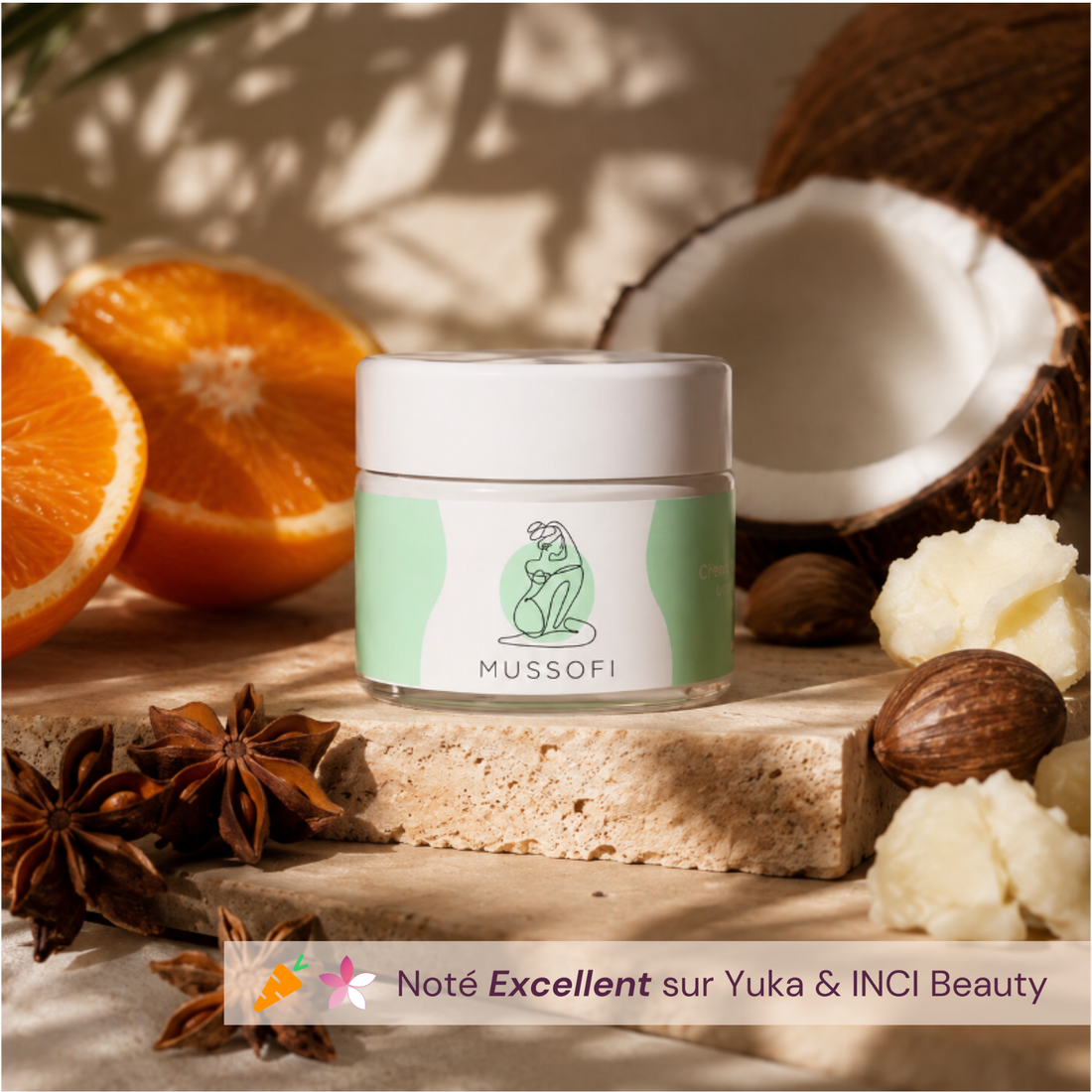
Use approximately a pea-sized amount of cream. Apply first to your driest areas—cheeks, temples, forehead—then massage gently until fully absorbed. Mussofi's Unifying and Anti-Dark Spot Face Cream combines the same brightening active ingredients as the serum in a rich yet non-greasy texture, providing both hydration and treatment simultaneously.

The importance of this step is often underestimated. Well-hydrated skin regenerates quickly, naturally eliminates pigmentation, and has a strong skin barrier that prevents future inflammation. It's an investment in your skin's long-term health.

A Black woman, phototype 6, applies face cream in her bathroom in front of her mirror.

Step 4: Sun Protection, Insurance Protection

No anti-hyperpigmentation routine is complete without daily sun protection. This is non-negotiable. Ultraviolet rays stimulate your body's melanin production, worsening existing spots and creating new ones. All spot treatments become ineffective or significantly reduced without sun protection.

Use a sunscreen with SPF 50+ formulated for dark skin. This means a product that doesn't leave a white cast after application—tinted, universal, or pigment-enriched formulas work well. Apply generously, about a quarter teaspoon, approximately fifteen minutes before sun exposure. Don't forget the eye area, ears, and jawline, areas often overlooked but quickly damaged by UV rays.

This is especially important: reapply your sunscreen every two hours if you are in prolonged sun exposure, after swimming, or after sweating. A single application in the morning, even if it covers the workday, is not enough for weekends or holidays spent outdoors.

A Black person is applying sunscreen; the weather is beautiful with bright sunlight.

Weekly Exfoliation: Accelerate Renewal

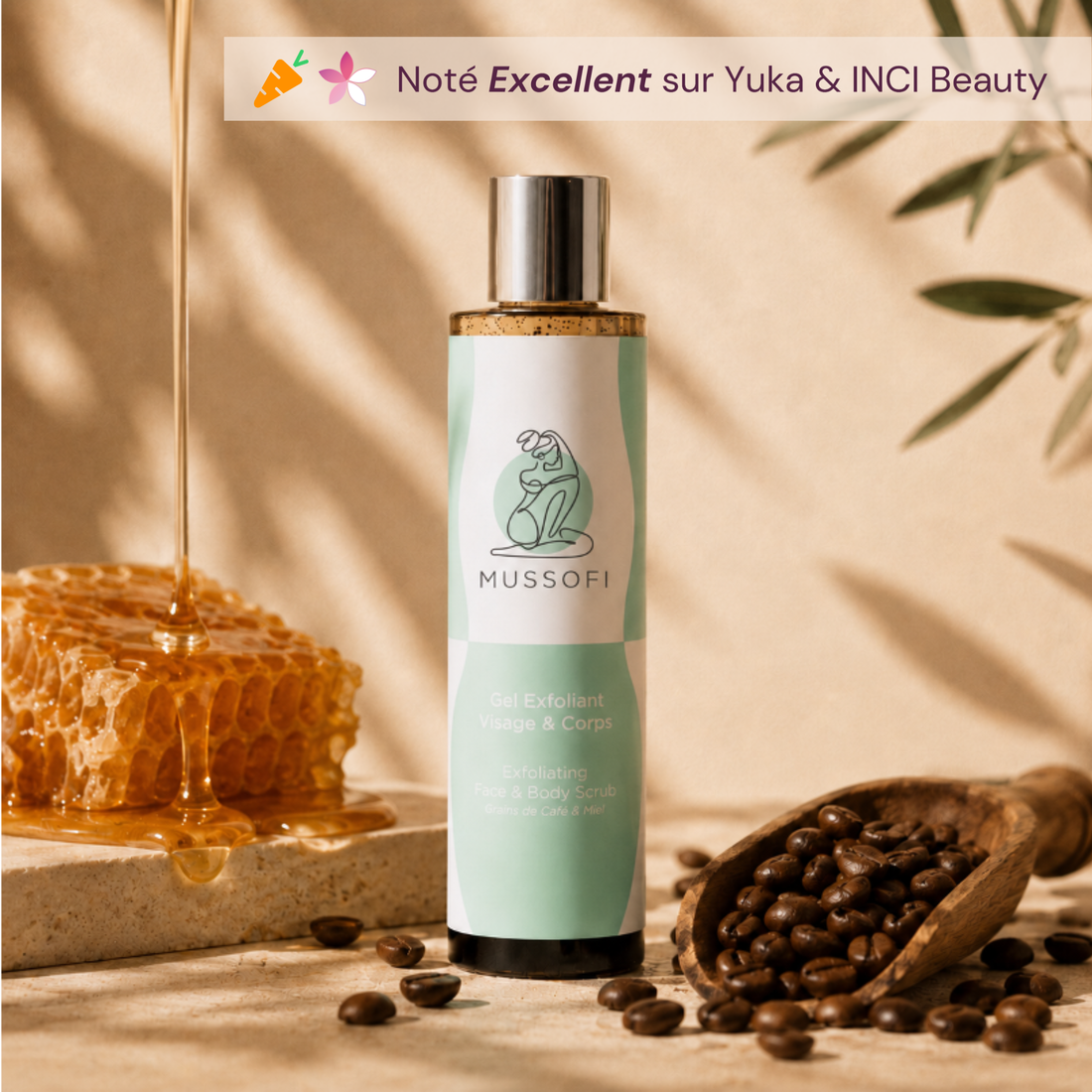
Once or twice a week, complete your routine with gentle exfoliation. Exfoliation accelerates the removal of pigmented dead skin cells, revealing the clear skin underneath more quickly. Mussofi's Exfoliating Cleansing Gel combines two types of gentle physical exfoliation: coffee particles, which provide a natural mechanical action, and rhyolite, a volcanic mineral, which also provides fine mechanical exfoliation. Organic honey adds soothing antibacterial properties.

Apply to slightly damp skin and massage in gentle circular motions for one to two minutes. Pay particular attention to rough areas such as the forehead, nose, and chin. Avoid the eye area, which is too delicate. Rinse thoroughly with lukewarm water and continue with the next two steps.

Exfoliate preferably in the evening, allowing your skin to regenerate overnight. Exfoliation also makes your skin temporarily more sensitive to the sun, so nighttime timing is ideal.

Body Care: Global Uniformity

Remember that hyperpigmentation isn't limited to the face. Your elbows, knees, finger joints, and areas prone to friction are often darker. Use a spot-correcting body lotion, focusing your efforts on these areas. Discover our MUSSOFI body care range, formulated with the same active ingredients as our facial care range.

Apply daily after showering, to slightly damp skin. Massage in long, upward strokes to stimulate lymphatic circulation. A good body lotion provides 48-hour hydration, allowing these areas to benefit from the same brightening treatment as your face.

Once a week, don't forget to exfoliate your body too, especially your elbows and knees, using the same exfoliating gel as for your face.

Prevention and Best Practices: Preventing Hyperpigmentation from Worsening

The seven essential steps to prevent future hyperpigmentation

Beyond treatments, several simple but fundamental habits can prevent hyperpigmentation from worsening or recurring. These reflexes, integrated into your daily life, constitute a constant defense against triggering factors.

The first thing to do: never touch your pimples. As difficult as it may be, manipulating an acne lesion, even gently, triggers further inflammation. This inflammation signals your melanocytes to produce more melanin. Each manipulation prolongs and intensifies the process. If you can't resist the urge to squeeze, use a hydrocolloid patch instead, which absorbs the pus without you having to touch it.

The second reflex: daily sun protection, not seasonal. The sun is no less harmful when it's cloudy. UVA rays penetrate clouds, window glass, and even light clothing. Apply sunscreen 365 days a year, even when you're mostly indoors. It's one of the only habits that has been scientifically proven to improve dark skin over the long term.

The third reflex: avoid excessive heat. Saunas, steam rooms, and very hot showers stimulate blood circulation, which increases melanin production. People with melasma often notice a worsening of their condition after visiting hot or humid places. Opt for lukewarm showers and avoid extreme temperatures whenever possible.

The fourth reflex: meticulous makeup removal every night. Leaving makeup on overnight clogs your pores, creating an environment that promotes acne and irritation. Even mineral or natural makeup should be completely removed. Use a gentle yet effective cleanser, cleansing twice if necessary to ensure everything is removed.

The fifth reflex: generalized internal hydration. Drink 1.5 to 2 liters of water per day. Skin that is dehydrated from within has a weakened skin barrier, making it more prone to inflammation that triggers hyperpigmentation. Hydration is not just a beauty product; it's a biological necessity.

The sixth reflex: an anti-inflammatory diet. Your food choices influence your skin. Simple sugars and dairy products can trigger inflammatory reactions. Opt for berries rich in antioxidants, oily fish containing beneficial omega-3 fatty acids, and green vegetables providing vitamins and minerals. These foods build your body's internal defenses against inflammation.

The seventh reflex: conscious stress management. Stress raises your cortisol levels, a hormone that promotes skin inflammation. You may notice that your spots worsen during stressful periods. Meditation, regular exercise, quality sleep, and moments of mindful relaxation help keep your skin calmer and less prone to inflammation.

When to consult a dermatologist

While a good home care routine effectively treats most hyperpigmentation, certain situations warrant consulting a dermatologist. If your spots appeared suddenly and without apparent cause, consult a doctor to rule out any underlying skin conditions. If the spots spread rapidly or change color or texture, this is also a sign that shouldn't be ignored.

After three months of a proper skincare routine without noticeable improvement, a consultation can help identify the type of hyperpigmentation that requires professional treatment. Especially if you are considering dermatological treatments such as lasers, ensure your dermatologist has documented experience with dark skin. Ask to see before-and-after photos of patients with skin types similar to yours, and don't hesitate to seek a second opinion if you have any doubts.

Conclusion: Regain Confidence in Your Skin

Hyperpigmentation on dark skin is not inevitable, despite common misconceptions. It is a biological reality, yes, but one for which effective scientific solutions now exist. From your daily at-home skincare routine to patented innovations like Mussofi's, which combines four proven natural active ingredients, the tools to achieve an even complexion are at your fingertips.

The path to an even complexion begins with understanding. Now that you know why your skin reacts the way it does, that you know the four types of hyperpigmentation and how to treat them, that you have a systematic routine to follow, you have already taken the most important step: that of information and the power to act.

Visible results require consistency and patience. Initial improvements appear within three to four weeks with a good routine, but truly transformative changes occur after two to three months. According to our internal usage study (Product Information File), 88% of users report overall satisfaction after regular use of the MUSSOFI range.

Your dark skin is beautiful. Hyperpigmentation doesn't define it. With the right techniques, the right products tailored to your specific needs, and the right amount of sun protection, you'll regain the radiant, even complexion and confidence you deserve. Mussofi accompanies you on this journey , not by promising to transform who you are, but by helping you reveal the best version of your natural skin tone.

Leave a comment

This site is protected by hCaptcha and the hCaptcha Privacy Policy and Terms of Service apply.

Nadia Ongbiboue, co-fondatrice MUSSOFI

Nadia Ongbiboue

Co-fondatrice, MUSSOFI

Nadia Ongbiboue est co-fondatrice de Mussofi, marque française de cosmétiques formulés pour les peaux noires, mates et métissées. Formée en agroalimentaire, elle a conduit deux ans de R&D avant de lancer une gamme brevetée, fabriquée en France, centrée sur l'hyperpigmentation et les imperfections spécifiques aux peaux foncées. Son expertise associe rigueur scientifique, connaissance terrain des consommatrices et expérience personnelle directe avec les limites des solutions existantes sur le marché.

Voir le profil de Nadia →