Hyperpigmentation is a common challenge faced by many people with dark skin. This condition, caused by an overproduction of melanin, often manifests as dark patches on the skin, which can be a source of frustration. Fortunately, with the right care and products, it's possible to significantly reduce these patches and achieve a more even complexion. In this article, we'll explore the best tips and treatments for addressing hyperpigmentation on dark skin.
Table of Contents
- Table of Contents
- Understanding Hyperpigmentation on Dark Skin
- The Keys to an Effective Skincare Routine
- Deep Cleaning
- Hydration and Protection
- Targeted Treatment
- Unification and Radiance
- Additional Tips
- Frequently Asked Questions
Understanding Hyperpigmentation on Dark Skin
Hyperpigmentation on dark skin can be caused by various factors such as acne scars, sun exposure, or hormonal changes. First and foremost, it is essential to identify the cause of the increased pigmentation in order to choose the appropriate treatment.
The Keys to an Effective Skincare Routine
Deep Cleaning

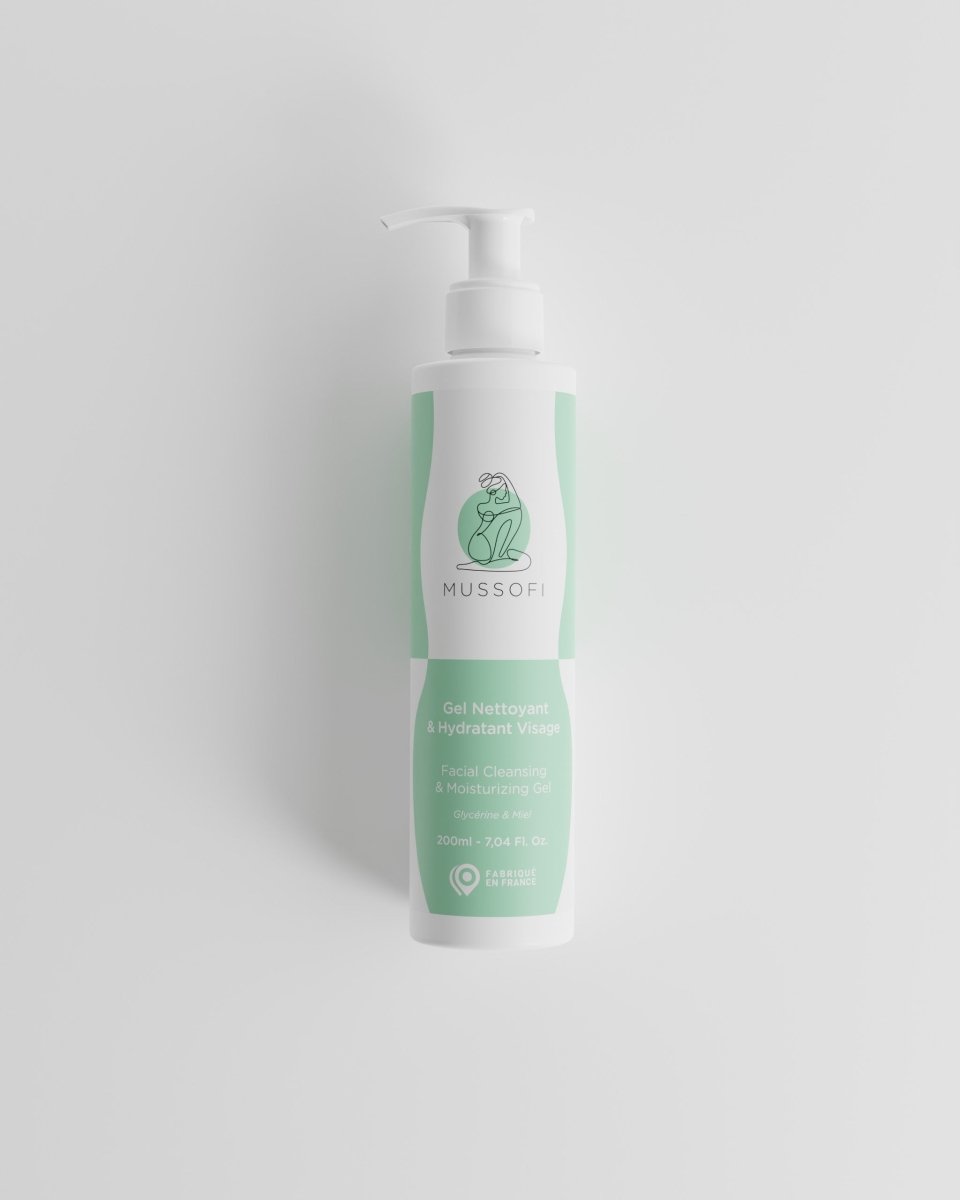
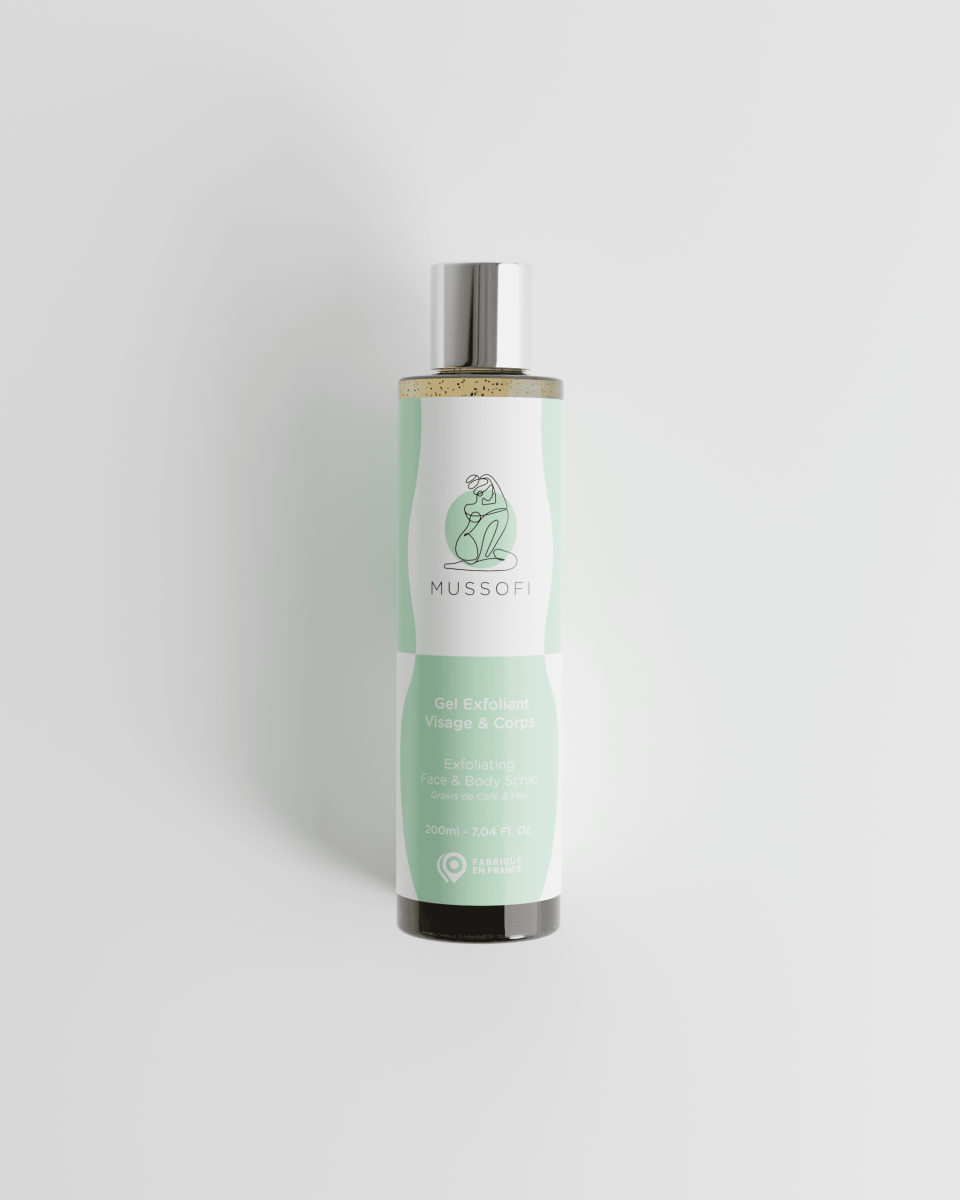
A thorough cleansing is essential to prepare the skin for treatments. The Face & Body Cleansing Duo is ideal for removing impurities while preserving moisture. Complete your routine with an exfoliating face and body wash gel to help remove dead skin cells and promote cell renewal.
Hydration and Protection
Using a suitable moisturizer is crucial for maintaining skin balance. Opt for a moisturizer specifically formulated for dark skin that deeply nourishes without clogging pores. Never forget sun protection: a non-comedogenic facial sunscreen will protect your skin from harmful UV rays, a key element in preventing further dark spots.
Targeted Treatment

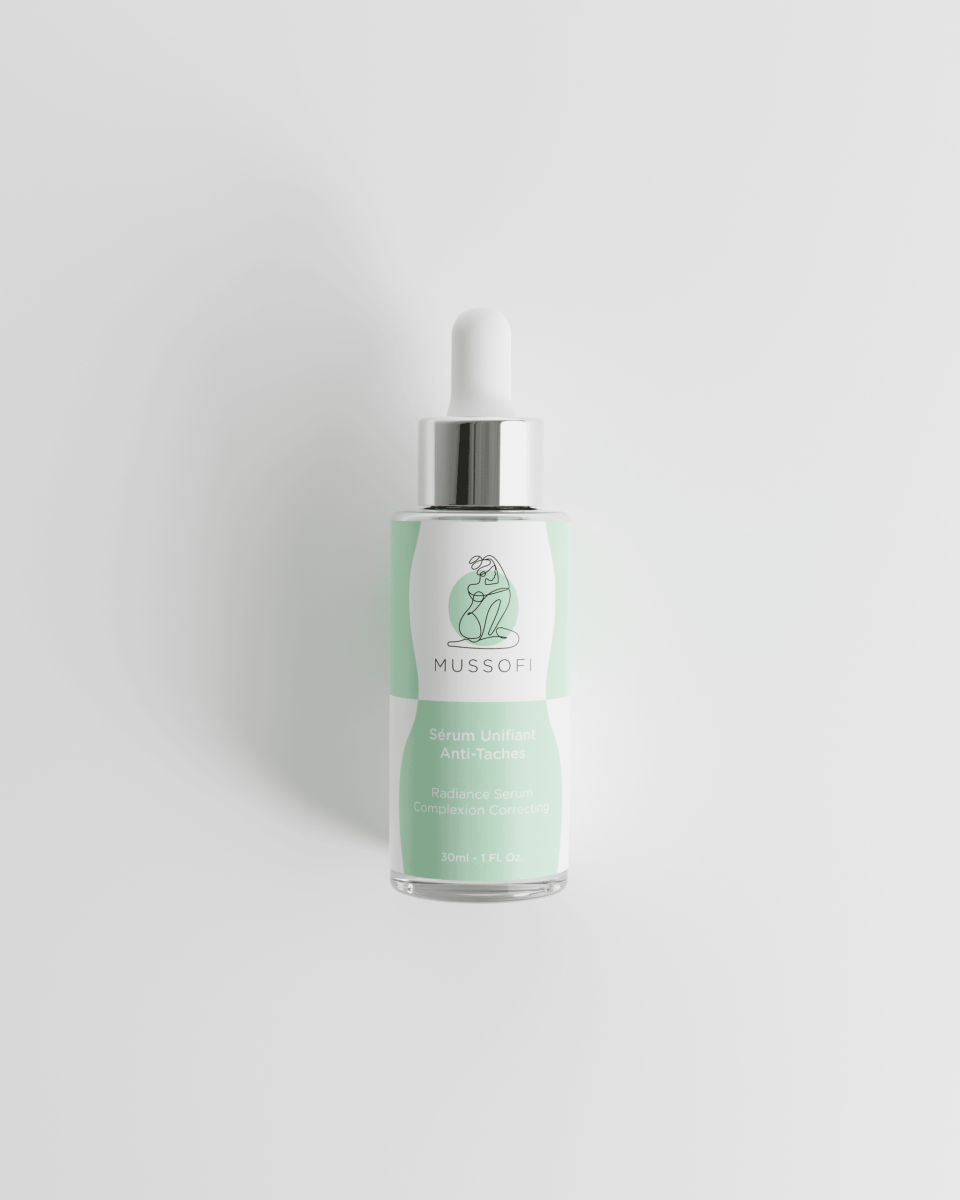
To directly target dark spots, incorporate a unifying and anti-dark spot face serum into your routine. Enriched with active ingredients, it is designed to reduce the appearance of spots and even out skin tone.
Unification and Radiance
Continue your skincare routine with a body lotion for dark skin or a unifying cream for dark skin to harmonize the appearance of your skin all over your body.
Additional Tips
- Consult a Dermatologist : If the spots are persistent, a dermatologist can advise you on tailored treatments.
- Be patient : Results won't be visible overnight, so persevere with your routine.
- Avoid touching the skin : Touching or squeezing the skin often exacerbates hyperpigmentation.
To learn more about products that help even out skin tone, see our article on Essential Serums for an Even Complexion on Dark Skin . You can also find detailed solutions in Hyperpigmentation and Dark Skin: Solutions to Reduce Brown Spots .
In conclusion, treating hyperpigmentation on dark skin requires a careful and personalized approach. With the right products and a suitable routine, you can reduce these spots and reveal a radiant and even complexion.
For more advice and products, visit Mussofi.com .
Frequently Asked Questions
What is hyperpigmentation and how does it manifest itself on black skin?
Hyperpigmentation results in dark spots on the skin due to an overproduction of melanin. On dark skin, it can appear as irregular spots, acne scars, or sunspots, often more pronounced than on lighter skin.
What are the main factors that cause hyperpigmentation on black skin?
The causes can include genetic factors, sun exposure, skin injuries, skin inflammation, and the use of certain irritating cosmetic products. The sun is a major trigger that exacerbates hyperpigmentation.
What treatments can help reduce hyperpigmentation on dark skin?
Treatments such as serums containing vitamin C, glycolic acid, or hydroquinone can be effective. However, it is important to consult a dermatologist before starting any treatment to ensure it is suitable for your skin type.
How to prevent hyperpigmentation on dark skin?
To prevent hyperpigmentation, it's crucial to use a suitable sunscreen every day, even on cloudy days. Avoid prolonged sun exposure and adopt a gentle skincare routine to minimize irritation.
Are natural remedies effective in treating hyperpigmentation on black skin?
Some people find positive results with natural remedies such as lemon juice, aloe vera gel, or honey-based masks. However, it's essential to be cautious, as some natural products can cause irritation or allergies.
How long does it take to see results from hyperpigmentation treatment?
Results may vary from person to person. Generally, it takes several weeks, or even a few months, to see significant improvement. Consistency and patience are essential during treatment.
Is it safe to use chemicals to treat hyperpigmentation on black skin?
Using chemical products can be effective, but it must be done with caution. Some agents can irritate the skin. It is advisable to start with low concentrations and perform a patch test on an inconspicuous area before applying it to larger areas.
How do I know if I should consult a dermatologist for my hyperpigmentation?
It is recommended to consult a dermatologist if hyperpigmentation does not respond to home treatments, if it progresses rapidly, or if it is accompanied by pain or other symptoms. A professional will be able to offer solutions tailored to your specific situation.
Can lifestyle changes help treat hyperpigmentation?
Yes, lifestyle changes such as a balanced diet, adequate hydration, and stress reduction can have a positive impact on your skin's health, potentially helping to reduce hyperpigmentation.