Hyperpigmentation is a common skin problem among people with dark or mixed-race skin. Its most visible manifestations are dark spots or brown patches on the skin , which can be caused by various factors such as acne, injuries, or sun exposure without adequate protection. Fortunately, solutions exist to remove hyperpigmentation spots and restore an even and radiant complexion.
Table of Contents
- Table of Contents
- Understanding Hyperpigmentation
- Solutions for Treating Hyperpigmentation
- Anti-Dark Spot Serums and Creams
- Sun Protection
- Complete Skincare Routine
- Conclusion
- Frequently Asked Questions
Understanding Hyperpigmentation
Hyperpigmentation is generally caused by an overproduction of melanin, the pigment responsible for skin color. In dark and mixed-race skin, this can result in an uneven complexion. Having a skincare routine tailored to dark skin is essential for maintaining healthy, radiant skin.
Solutions for Treating Hyperpigmentation
Anti-Dark Spot Serums and Creams

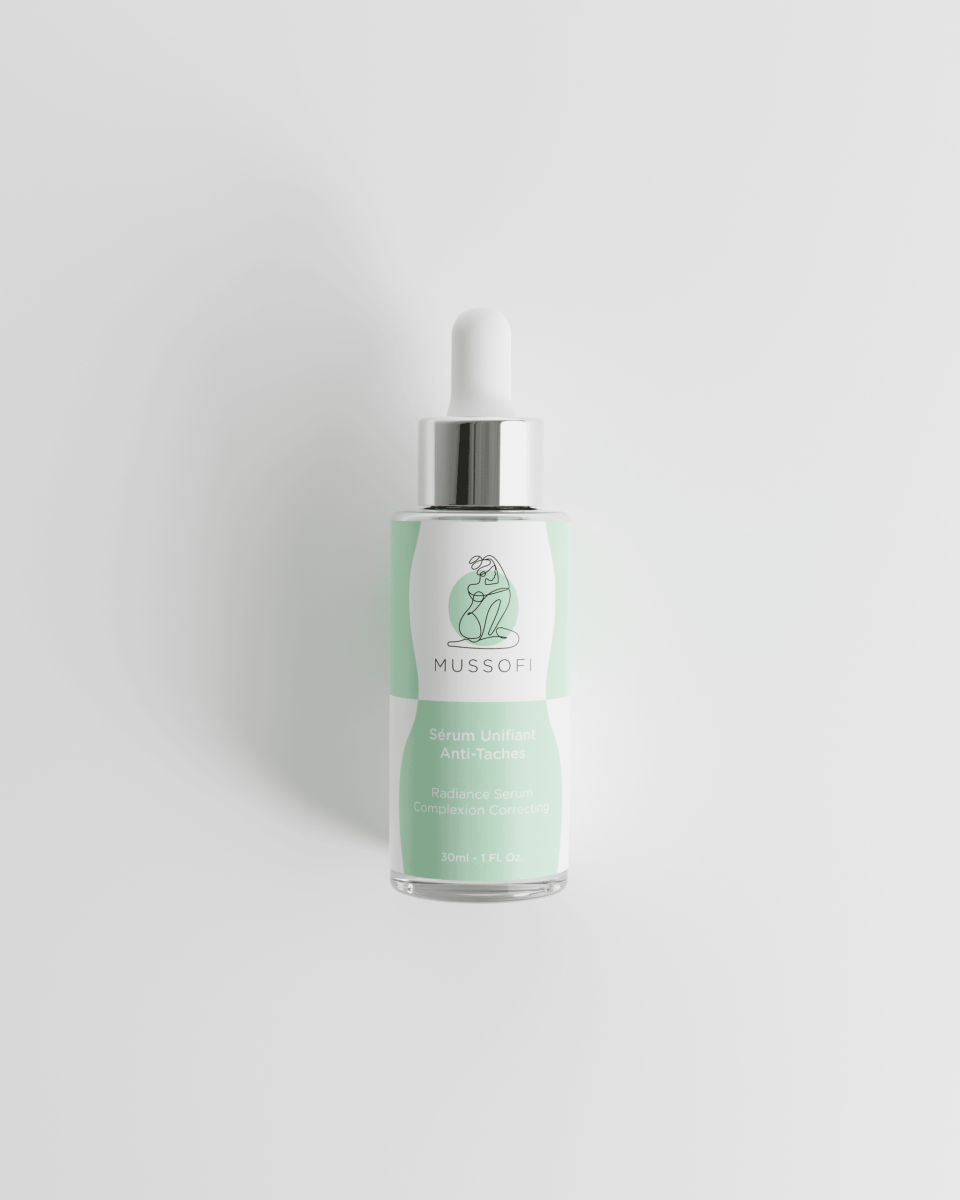
To address hyperpigmentation, the use of a dark spot serum is highly recommended. The Unifying and Dark Spot Facial Serum is an effective product that helps lighten dark spots while evening out skin tone.
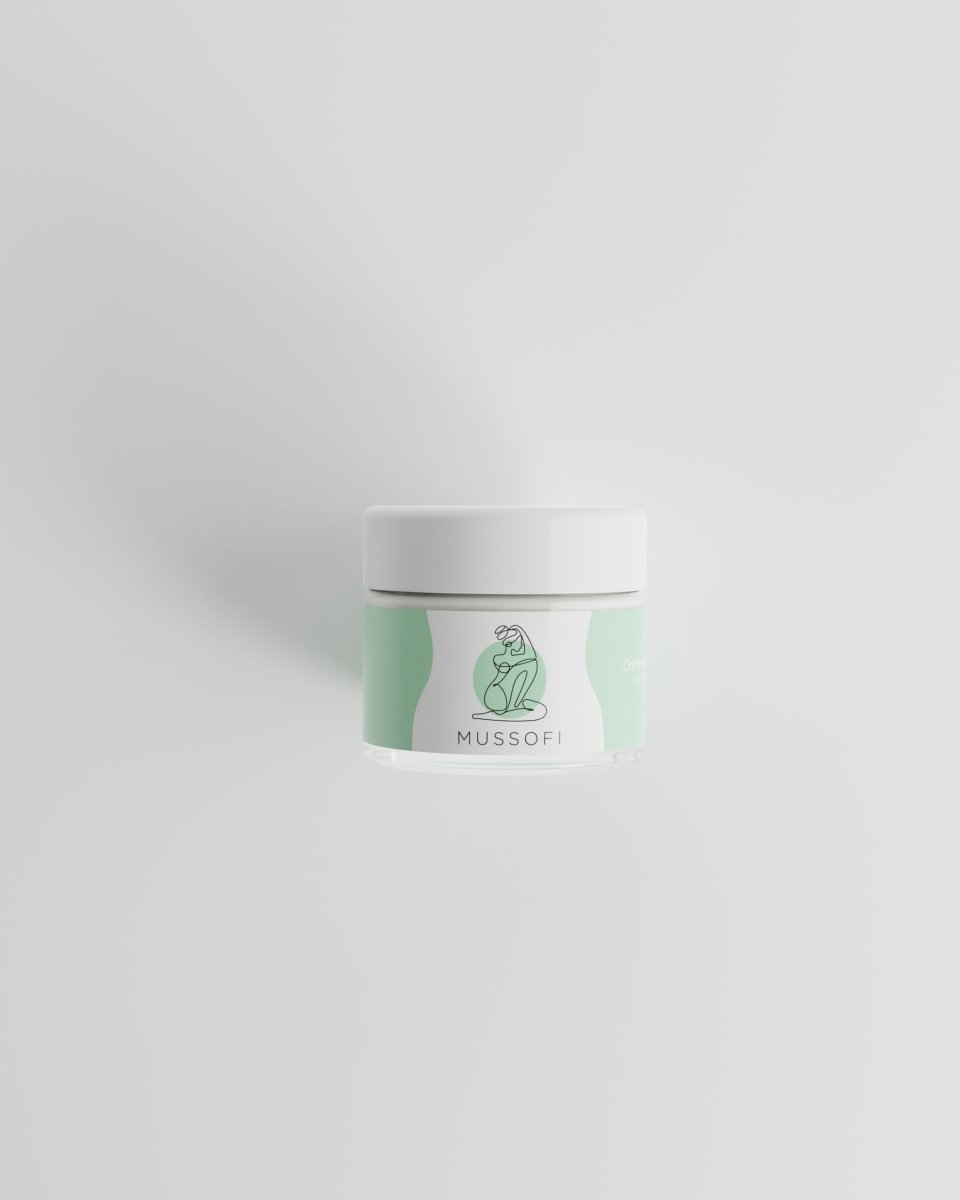
In addition, using a facial cream for dark spots can offer a moisturizing and repairing solution. The unifying and anti-dark spot face cream features an enriched formula to reduce imperfections and prevent the appearance of new spots.
Sun Protection
Daily use of sunscreen for dark skin , especially a non-comedogenic facial sunscreen , is essential. This protects the skin from UV rays while preventing the worsening of hyperpigmentation spots.
Complete Skincare Routine

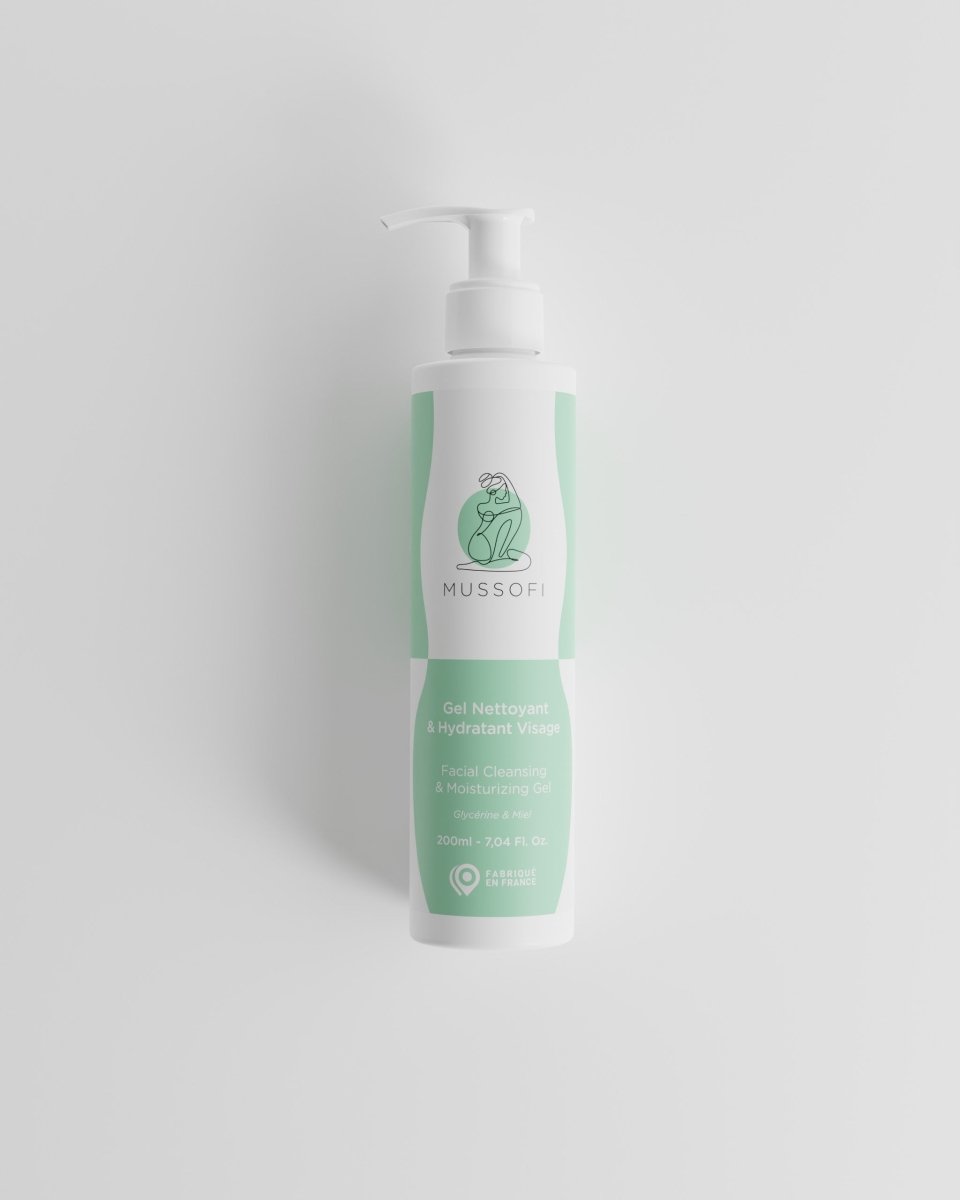
Adopting a complete skincare routine for dark skin is crucial. For deep cleansing and proper hydration, the Cleansing & Moisturizing Facial Gel can be incorporated into your daily ritual. Combine this product with a moisturizer for dark skin to maintain skin elasticity and softness.
And don't forget the body; a body lotion for dark skin can provide optimal hydration. A unifying lotion for dark skin helps to even out skin tone all over the body.
To learn more about recommended routines, see our article on Essential Routines for Dark Spot-Free Black Skin .
Conclusion
With the right treatments and a suitable routine, it's possible to effectively reduce hyperpigmentation spots on dark skin. Take advantage of the benefits of anti-spot creams and serums , and don't forget appropriate sun protection to achieve an even and radiant complexion.
Enjoy more advice and tailored products on Mussofi .
Frequently Asked Questions
What is hyperpigmentation and why is it more common in dark skin?
Hyperpigmentation is a skin condition characterized by the appearance of brown spots on the skin. It is caused by an overproduction of melanin. Darker skin tones, having a higher concentration of melanin, may be more prone to developing brown spots in response to factors such as sun exposure, inflammation, or acne.
What are the main types of hyperpigmentation?
The main types of hyperpigmentation include sunspots (or lentigines), melasma, and post-inflammatory hyperpigmentation, which often occurs after skin trauma such as acne scars or irritations.
Which products are effective in treating hyperpigmentation on dark skin?
Products containing ingredients such as kojic acid, vitamin C, glycolic acid, and hydroquinone may be beneficial. However, it is essential to choose formulations specifically formulated for dark skin to avoid unwanted side effects.
Does the sun worsen hyperpigmentation?
Yes, sun exposure can worsen hyperpigmentation. UV rays stimulate melanin production, making dark spots more visible. Therefore, it's crucial to use daily sunscreen to protect your skin.
How to prevent hyperpigmentation?
To prevent hyperpigmentation, it is important to protect the skin from the sun, use products suited to your skin type, and treat any skin inflammation quickly to avoid the formation of spots.
What role does diet play in managing hyperpigmentation?
A diet rich in antioxidants and vitamins A, C, and E can help improve your skin's health. Foods like fruits, vegetables, and nuts can help reduce inflammation and promote an even skin tone.
When should I see a dermatologist for hyperpigmentation?
It is advisable to consult a dermatologist if you notice sudden changes in your brown spots, if they become darker, or if you have concerns about spots that do not respond to over-the-counter treatments.
What cosmetic treatments are effective against hyperpigmentation?
Treatments such as chemical peels, lasers, and microdermabrasion can be effective in reducing hyperpigmentation. However, it is essential to choose a qualified professional who understands the specific needs of dark skin.
Is hyperpigmentation a permanent condition?
No, hyperpigmentation is not permanent. With proper treatment and skincare, it is possible to reduce the appearance of dark spots and achieve an even skin tone.