In Guadeloupe and the Caribbean islands, mosquitoes are a daily presence that goes far beyond mere temporary annoyance. While their bites cause immediate itching, they often leave behind a more persistent problem for people with dark and mixed-race skin: brown spots that can take months, or even years, to fade. This phenomenon, called post-inflammatory hyperpigmentation, is a major concern in tropical climates, where intense sun exposure further exacerbates these skin marks.
Mosquitoes in Guadeloupe: A Constant Challenge
A Variety of Species Active All Year Round
Guadeloupe is home to several mosquito species, the most concerning being Aedes aegypti, the main vector of dengue, chikungunya, and Zika, as well as the tiger mosquito, Aedes albopictus. These insects do not really experience a dormant season in the archipelago.
The rainy season, which extends from June to November, marks a period of peak mosquito proliferation. High humidity and abundant rainfall create ideal breeding conditions for mosquitoes in even the smallest pockets of stagnant water. During this period, bites multiply, proportionally increasing the risk of developing pigmented spots.
The most critical times of day for the Egyptian mosquito (Aedes aegypti) are sunrise and sunset, while the tiger mosquito is most active in the early morning and late afternoon. The island's humid and shady areas provide ideal hiding places for these biting insects.
This constant presence multiplies the opportunities for bites, and with them, the risk of developing lasting pigment spots that mark the skin long after the initial bite has disappeared.
When a Bite Turns into a Brown Spot
The Post-Inflammatory Hyperpigmentation Process
Post-inflammatory hyperpigmentation refers to a persistent darkening of the skin that occurs after skin inflammation, regardless of its cause. Understanding how a simple mosquito bite can turn into a stubborn brown spot allows for better prevention and treatment of this condition.
It all begins at the moment of the bite. The mosquito's saliva, injected during the bite, triggers a local immune response. The body reacts by causing redness, swelling, and those characteristic itches that everyone knows. It is this initial inflammation that initiates the pigmentation process.
Inflammation stimulates melanocytes, the cells responsible for producing melanin, the natural pigment that gives skin its color. Under the effect of this stimulation, melanocytes begin to produce an excessive amount of melanin in a localized area.
Once the inflammation has subsided and the bite has healed, the overproduction of melanin persists. This leaves a brown, purplish, or gray mark on the affected area. This mark can remain for several months to several years, particularly on darker skin tones, which are naturally more reactive.
Aggravating Factors Specific to Tropical Climates
The conditions in Guadeloupe significantly increase the risk of hyperpigmentation from mosquito bites. Intense sun exposure is the main aggravating factor. UV rays further stimulate melanin production in already inflamed areas, intensifying the pigmentation of the spots and prolonging their duration. In a tropical climate, where UV intensity remains extreme year-round, this risk is tenfold.
Scratching mosquito bites, a natural reflex in response to itching, significantly worsens the inflammation and can lead to a secondary infection. The more the lesion is manipulated, the more pronounced and difficult the resulting mark will be to remove. This is why the first golden rule in Guadeloupe remains: never scratch mosquito bites, however tempting it may be.
Constant humidity and heat not only encourage mosquito breeding but also create an environment conducive to prolonged skin inflammation. Excessive sweating in hot climates can also irritate the affected areas, perpetuating inflammation and increasing the risk of rashes.
Black and Mixed-Race Skin: A Particular Sensitivity
Why are dark skin tones more vulnerable?
Black and mixed-race skin exhibits a particular sensitivity to post-inflammatory hyperpigmentation, a phenomenon well-documented in dermatological literature. This increased vulnerability is explained by several biological mechanisms specific to dark skin.
The naturally high production of melanin is the primary explanation. Darker skin contains more active melanocytes, giving it its natural color and better protection against UV rays. However, this characteristic backfires in the event of inflammation. The melanin production mechanism quickly becomes overactive, even in response to a minor irritation like a simple mosquito bite.
The slightest skin irritation—whether an insect bite, a pimple, a small cut, or even a mild scratch—can trigger an overproduction of melanin and leave a lasting mark. This heightened reactivity explains why people in Guadeloupe with dark skin regularly notice the appearance of brown spots after bites that would seem harmless on fair skin.
More Visible and More Persistent Stains
On dark or mixed-race skin, hyperpigmentation marks do not appear red or pink as they do on lighter skin. They manifest as dark brown to blackish spots, creating a stark contrast with the natural complexion. This contrast not only makes the spots more visually noticeable, but they also take longer to fade naturally.
Without appropriate treatment, these spots can persist for six months, a year, or even several years, depending on their depth and age. In an island setting like Guadeloupe, where daily sun exposure is intense and mosquito bites are frequent, this issue quickly becomes a real cosmetic challenge for women with dark and mixed-race skin.
This specific vulnerability explains why mosquito bites, so common in Guadeloupe, are much more than a simple, fleeting inconvenience. They represent a major source of concern for appearance and skin tone evenness.
Prevention: The First Line of Defense
Mosquito Protection in Tropical Environments
The first strategy to avoid pigment spots is logically to limit mosquito bites. In Guadeloupe, several preventative measures are essential and should become daily habits.
Tropical insect repellents are the foundation of personal protection. It is best to choose repellents containing DEET or natural alternatives such as citronella and lemon eucalyptus. Apply the repellent twenty minutes after sunscreen to ensure optimal effectiveness of both products.
Clothing protection also plays a major role. Wearing light-colored, long-sleeved clothing, especially during peak mosquito activity at sunrise and sunset, significantly reduces exposure to bites. Lightweight cotton fabrics allow you to stay covered without suffering from the tropical heat.
At home, installing insecticide-treated mosquito nets, systematically eliminating standing water, and using air conditioning, which reduces mosquito activity, create a protective environment. These preventative measures are especially crucial during the rainy season.
Immediate Actions After a Sting
As soon as a bite occurs, following a strict protocol significantly reduces the risk of pigmentation spots. These simple but essential steps should become automatic.
The golden rule is never to scratch a mosquito bite. This is the most important advice to remember. Scratching worsens the inflammation, promotes infection, and triples the risk of developing a persistent dark spot. No matter how intense the itching, you must resist this temptation at all costs.
Immediate disinfection of the sting limits the inflammatory reaction. Applying a mild antiseptic such as 70% alcohol, diluted lavender aspic essential oil, or apple cider vinegar helps to clean the area and begin to soothe the inflammation.
To soothe itching without scratching, several effective natural solutions exist. A blend of eucalyptus and lavender essential oils, diluted in a carrier oil, quickly calms irritation. Cold compresses or ice packs wrapped in a cloth also provide natural relief from itching.
Finally, immediately protecting the affected area from the sun is absolutely crucial. Covering the bite with clothing or applying SPF 50 sunscreen to the area prevents the pigmentation from worsening. This protection should be maintained until the bite has completely healed.
Sun Protection: A Non-Negotiable Step
In tropical climates, daily sun protection is not an option but an absolute necessity to prevent hyperpigmentation. This statement cannot be stressed enough to the women of Guadeloupe.
A minimum SPF of 30 should be applied daily, even on cloudy days or when you don't plan to go out. SPF 50 becomes mandatory during prolonged sun exposure, whether at the beach, the market, or during outdoor activities. UV rays penetrate approximately 80 percent of clouds, making sun protection necessary regardless of the weather.
Any area showing signs of inflammation, whether it's a recent mosquito bite, a pimple, or a small wound, must be protected from the sun. Exposing an inflamed area to UV rays almost guarantees the formation of a permanent pigment spot. This is especially true in Guadeloupe, where the intensity of the sun's rays remains high year-round.
Reapplication every two hours is essential. In hot, humid climates, frequent perspiration and swimming require regular reapplication to maintain effective protection. It is advisable to choose waterproof and sweat-resistant formulas.
Textures suited to dark skin are also important. Choosing sunscreens that don't leave white marks on dark complexions encourages regular and generous use. Many brands now offer lightweight formulas specifically designed for dark and mixed-race skin.
Effective Active Ingredients Against Pigmentation Spots
Vitamin C: The Powerful Illuminator
Vitamin C, particularly in its stabilized form Ascorbyl Glucoside present in Mussofi products, represents one of the most effective active ingredients against hyperpigmentation on black and mixed-race skin.
This active ingredient works on several fronts simultaneously. It inhibits tyrosinase, the enzyme responsible for melanin production, thus reducing the formation of new spots. This preventative action is particularly valuable in Guadeloupe, where skin irritations (bites, pimples, rashes) are frequent.
Vitamin C also works on existing dark spots by gradually reducing the melanin already present in the skin. Its effects are noticeable over several weeks of regular use, with a gradual fading of brown marks.
As a powerful antioxidant, vitamin C protects the skin from free radicals and oxidative stress caused by intense sun exposure and pollution. This antioxidant protection proves particularly beneficial in the tropical context of Guadeloupe.
Finally, vitamin C stimulates collagen production, thus improving the overall texture of the skin and its natural radiance. The skin appears brighter, smoother, and generally healthier.
The Ascorbyl Glucoside form used in Mussofi formulations offers the advantage of superior stability in aqueous formulas, unlike pure vitamin C which oxidizes rapidly upon contact with air and light. This stability guarantees the product's effectiveness throughout its use.
Shikimic Acid: The Spot Specialist
Extracted from star anise, the shikimic acid in Mussofi's patented formula specifically targets established hyperpigmentation spots. This powerful natural active ingredient concentrates its action on hyperpigmented areas without affecting the overall skin tone.
Shikimic acid works by effectively reducing existing pigment spots, including those left by old mosquito bites. Its targeted action makes it a valuable ally for treating stubborn marks that resist conventional cosmetic treatments.
In synergy with vitamin C and the other active ingredients in the Mussofi formula, shikimic acid's effectiveness is enhanced. This combination of complementary active ingredients offers a comprehensive approach to treating hyperpigmentation.
Alpha-Glucan Oligosaccharide: The Preventive Prebiotic
This plant-based prebiotic, incorporated into the patented Mussofi formula, plays a key preventative role in the formation of post-inflammatory hyperpigmentation. Its action occurs upstream of the pigmentation process.
Alpha-glucan oligosaccharide rebalances the skin microbiome, thus strengthening the skin's first line of defense against external aggressors. A balanced microbiome means more resilient skin, better equipped to manage inflammation without overreacting through excessive melanin production.
This active ingredient prevents the appearance of pimples and acne by maintaining the balance of the skin's flora. By limiting these potential sources of post-inflammatory hyperpigmentation, it indirectly but effectively helps prevent dark spots.
Alpha-glucan oligosaccharide also reduces general skin inflammation, creating an environment less conducive to melanin overproduction. In the Guadeloupean context, where heat, humidity, and mosquito bites create a constant state of inflammation, this soothing action is particularly welcome.
Finally, by strengthening the skin barrier, this active ingredient makes the skin more resilient to daily environmental aggressors. A strong skin barrier reacts less violently to inflammation, thus limiting the risk of dark spots.
Hyaluronic Acid: The Deep Moisturizer
Hyaluronic acid, in the form of Sodium Hyaluronate in the Mussofi formula, plays an indirect but crucial role in the treatment of hyperpigmentation. While primarily known for its exceptional moisturizing properties, this active ingredient effectively supports the action of the other anti-dark spot components.
The deep and lasting hydration it provides maintains the integrity of the skin barrier, essential for healthy and resilient skin. Properly hydrated skin heals better and reacts more effectively to inflammation, thus reducing the risk of persistent blemishes.
Hyaluronic acid also accelerates cell regeneration, promoting the replacement of pigmented cells with new, even-toned cells. This continuous renewal gradually contributes to the fading of existing spots.
Its ability to enhance the penetration of other anti-dark spot actives by maintaining optimal skin hydration maximizes the overall effectiveness of the treatment. Vitamin C and shikimic acid penetrate better into well-hydrated skin, maximizing their benefits.
Finally, its light texture proves perfectly suited to hot and humid climates like that of Guadeloupe. Unlike heavy moisturizers that can feel suffocating in the tropics, hyaluronic acid intensely hydrates without leaving an uncomfortable greasy film.
The Additional Nourishing Ingredients
Shea Butter: The Natural Repairer
Shea butter, the key ingredient in Mussofi body lotion, is a cornerstone of skincare for dark and mixed-race skin. Its exceptional richness in unsaponifiables, vitamins, and phytosterols makes it a choice active ingredient to support skin repair and even out skin tone.
The healing properties of shea butter promote optimal healing of micro-lesions caused by mosquito bites. By accelerating healing and promoting quality repair, it limits the risk of residual marks.
Its soothing properties calm irritations that could trigger new spots. In the hot and humid climate of Guadeloupe, where skin is constantly exposed to heat, perspiration, and insect bites, this soothing effect is particularly valuable.
The nourishing texture of shea butter effectively combats the dryness often present in dark skin, even in humid climates. Properly nourished skin maintains its integrity and its ability to defend itself against aggressors without overreacting with excessive inflammation.
Shea butter also protects the skin from external aggressors by strengthening the natural hydrolipidic film. This protective barrier helps the skin better withstand the many daily stresses of the tropical climate.
Coconut Oil: The Antibacterial Moisturizer
The refined coconut oil in Mussofi body lotion provides gentle hydration perfectly suited to sensitive skin. Its saturated fatty acids, particularly lauric acid, which makes up forty to fifty-five percent of its composition, are easily absorbed into the skin to deeply moisturize it.
The natural antibacterial properties of coconut oil help prevent secondary infections that could complicate the healing of mosquito bites. By keeping the area clean and protected, it promotes uncomplicated healing.
In humid tropical climates, coconut oil offers the advantage of moisturizing the skin without weighing it down or leaving an uncomfortable greasy feeling. Its light texture is perfectly suited for daily use in the high temperatures of Guadeloupe.
Vitamin E: The Antioxidant Shield
Tocopherol, or vitamin E, complements the Mussofi formula by providing powerful antioxidant protection. This key antioxidant protects the skin from oxidative stress caused by intense sun exposure, pollution, and free radicals.
By neutralizing free radicals that can worsen inflammation and stimulate melanin production, vitamin E contributes indirectly but effectively to the prevention of hyperpigmentation. It also supports skin repair processes, promoting high-quality healing without residual marks.
Mussofi Body Lotion: A Solution Suitable for Bite Marks
A Patented Formula for Black and Mixed-Race Skin
Faced with the specific problem of hyperpigmentation on black and mixed-race skin, particularly marked in Guadeloupe with frequent mosquito bites, Mussofi has developed a range of patented skincare products specifically formulated to meet these needs.
Mussofi's unifying and moisturizing body lotion is a particularly suitable solution for treating spots left by mosquito bites in tropical climates. Its formula is based on a patented combination (patent FR3155139A1) of four natural active ingredients whose effectiveness has been specifically demonstrated on dark and mixed-race skin.
The synergy between stabilized vitamin C, shikimic acid, alpha-glucan oligosaccharide, and hyaluronic acid offers a comprehensive approach to treating hyperpigmentation. These four active ingredients work together to diminish existing spots, prevent the appearance of new ones, and maintain optimal hydration adapted to the tropical climate.
Shea butter, refined coconut oil, and vitamin E complete this formula, providing nourishment, protection, and repair. This combination of targeted anti-dark spot actives and nourishing ingredients perfectly meets the needs of Black and mixed-race skin facing the challenges of the Guadeloupean climate.
A Texture Designed for Tropical Climates
One of the major strengths of Mussofi body lotion lies in its texture, specifically developed for hot and humid climates. Unlike thick creams that can feel heavy and stifling in the tropics, this lotion offers a more comfortable sensory experience.
Rapid absorption without a greasy or sticky residue allows for comfortable application even in hot and humid weather. The skin benefits from deep hydration, but the light texture leaves no uncomfortable film on the surface.
Hydration remains deep and long-lasting despite the lightweight texture, an essential characteristic for meeting the specific needs of dark skin, which requires rich hydration. The formula strikes the perfect balance between moisturizing efficacy and comfortable use in tropical climates.
The immediate comfort felt upon application encourages regular daily use, which is key to the effectiveness of treating dark spots. A consistent routine always yields better results than a high-performance product used inconsistently.
The non-comedogenic formula won't clog pores, even in hot climates, thus preventing breakouts that could lead to new blemishes. This is especially important for combination to oily skin, common in tropical climates.
Clinically Proven Efficacy
The results of Mussofi body lotion have been validated by rigorous clinical tests conducted on seventy-four panelists with dark and mixed-race skin. These tests, carried out under dermatological control and certified by a doctor of pharmacy, provide scientific proof of the product's effectiveness.
Eighty-eight percent of users found the product effective, a remarkable satisfaction rate that testifies to real and noticeable results. This effectiveness is observed at different stages of use.
Results become visible after just three days of use in terms of skin radiance and hydration. Skin immediately appears brighter, better hydrated, and more comfortable. These initial signs encourage continued use of the product.
Regarding pigment spots, a 75% reduction in spots was observed after just one week of regular use. This rapid result on recent or superficial spots is particularly encouraging for women in Guadeloupe who discover a new spot after a mosquito bite.
These results place Mussofi body lotion among the most effective solutions for treating post-inflammatory hyperpigmentation caused by mosquito bites. The combination of patented active ingredients, a texture adapted to the tropical climate, and clinically proven efficacy makes it an ideal choice for dark and mixed-race skin in Guadeloupe.
Complete Routine Adapted to Guadeloupe
The Daily Protocol for an Even Complexion
To achieve optimal results against mosquito bite marks, a structured routine adapted to the tropical climate is essential. Consistency is the key to success, far more so than the intensity of occasional treatments.
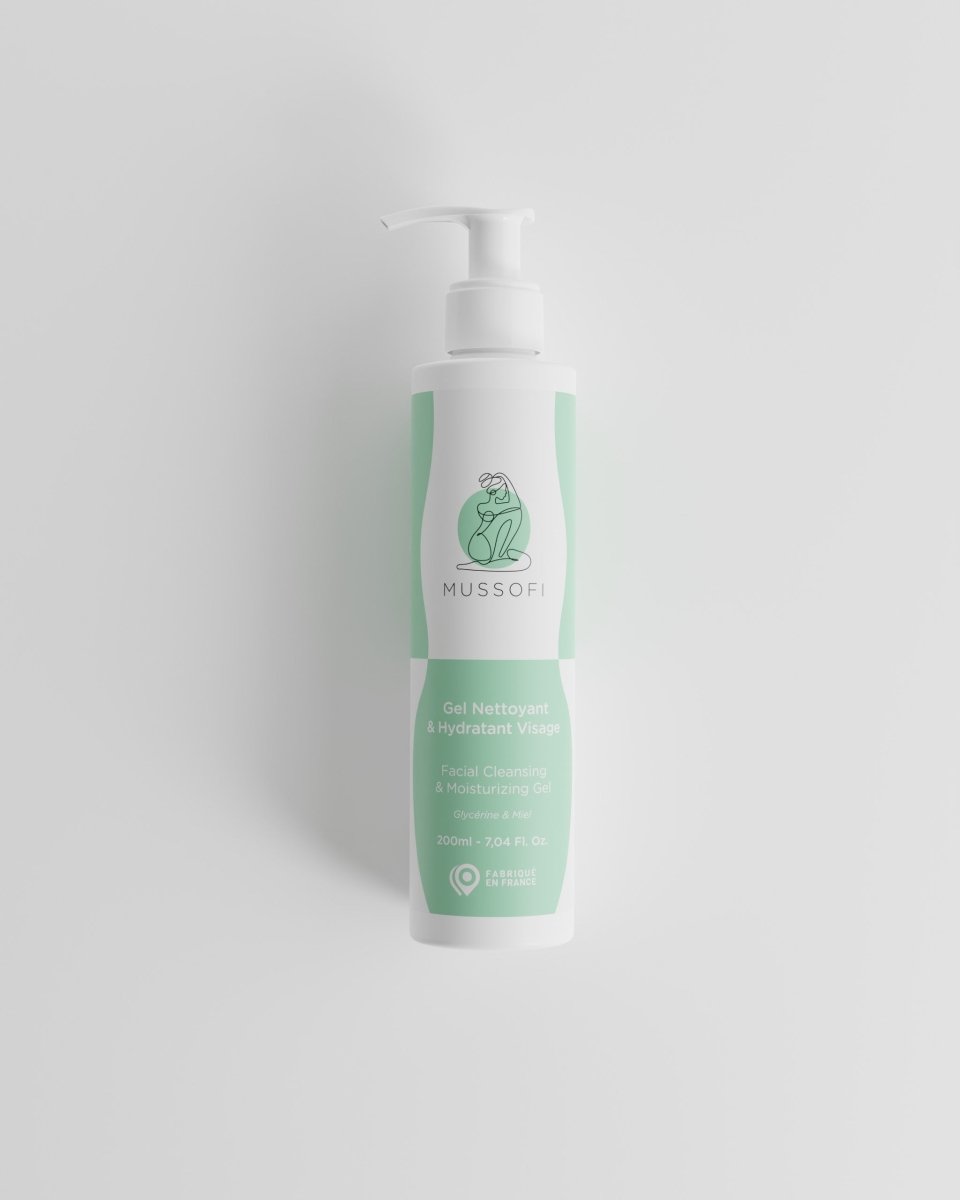
Starting each morning with a gentle cleanse using a sulfate-free gel preserves the skin's natural hydrolipidic film. Harsh cleansers strip the skin and can paradoxically stimulate excessive sebum production, creating an environment conducive to blemishes and therefore future dark spots.
Next, generously apply Mussofi's unifying body lotion all over your body, paying particular attention to areas with blemishes. Circular massage movements promote the penetration of the active ingredients while stimulating skin microcirculation.
Applying SPF 50 sunscreen to all exposed areas is absolutely essential. Without it, efforts to even out skin tone will be futile, as the sun will continue to stimulate melanin production and intensify existing dark spots.
In the evening, a double cleanse effectively removes perspiration, sebum, and sunscreen residue accumulated during the day in the tropical heat. This thorough cleansing prepares the skin to receive nighttime skincare products.
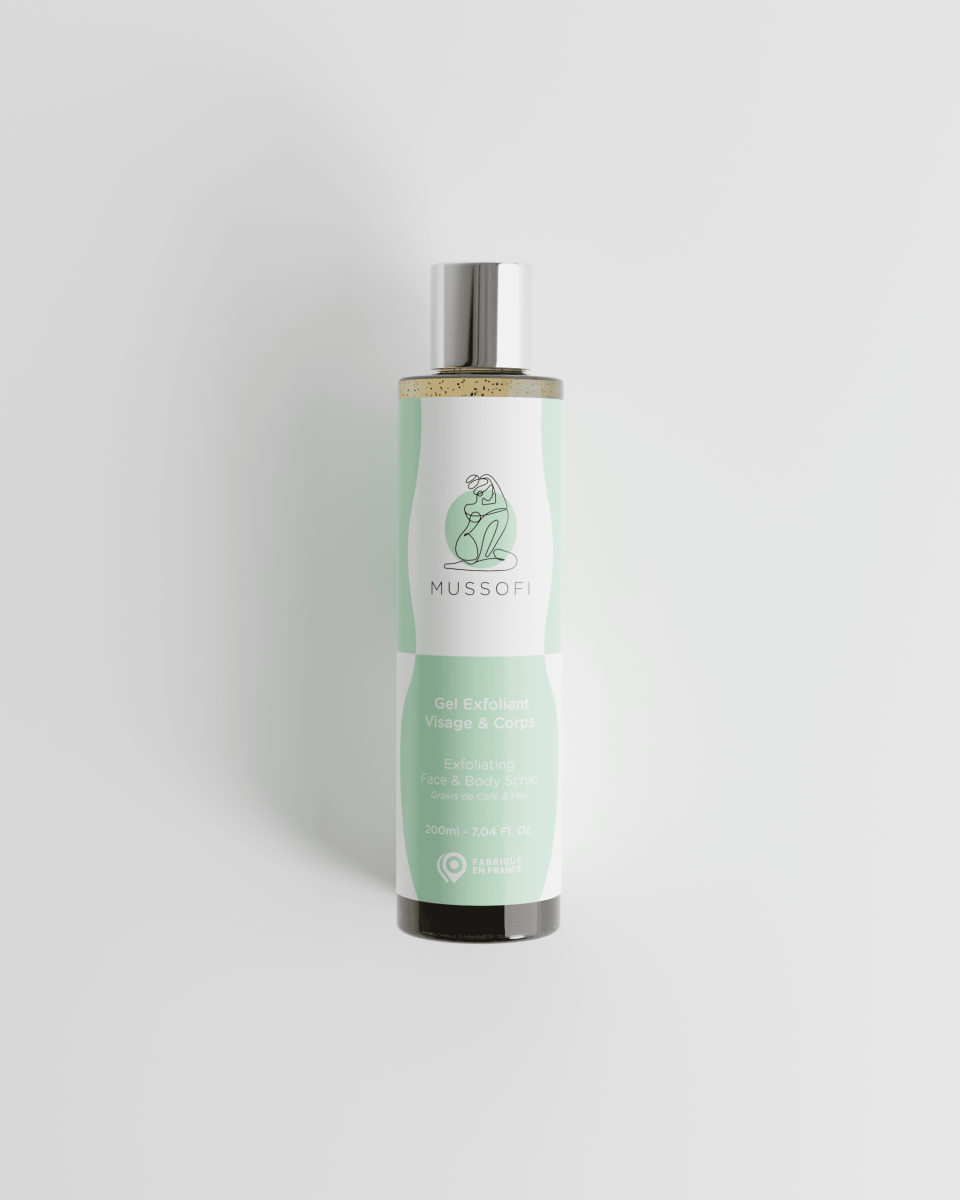
Once or twice a week, gently exfoliate with Mussofi exfoliating cleansing gel to remove dead skin cells and promote cell renewal. This step allows for better penetration of the anti-dark spot active ingredients in the body lotion applied afterward.
Finish by applying Mussofi Unifying Body Lotion with a circular massage to promote the penetration of active ingredients overnight, a crucial time when the skin regenerates. The active ingredients work for several hours without being affected by perspiration or sun exposure.
Seasonal Adaptation to the Specificities of the Archipelago
As the Guadeloupean climate varies between rainy season and dry season, a few adjustments can optimize the effectiveness of the beauty routine.
During the rainy season from June to November, mosquito vigilance must be at its highest. Repellents, covering clothing, and eliminating standing water become absolute priorities. Lightweight fabrics are preferred because the high humidity makes anything too heavy uncomfortable. Sun protection should still be used despite frequent cloud cover, as UV rays penetrate clouds easily. Particular attention should be paid to areas most exposed to bites, such as the legs and arms.
The dry season, from December to May, calls for increased hydration to counteract the drier heat. Sun protection becomes even more crucial as UV radiation becomes more direct with less cloud cover. Mosquito repellent should still be used, as these insects remain present year-round in Guadeloupe, even if their activity decreases slightly. Gentle exfoliation continues to remove dead skin cells and promote cell renewal to gradually reduce blemishes.
Additional Actions to Maximize Results
Beyond the products applied to the skin, certain lifestyle habits effectively support the fight against hyperpigmentation.
Internal hydration through the consumption of at least one and a half to two liters of water per day maintains skin hydration from within. This systemic hydration also promotes the elimination of toxins and supports all cellular regeneration processes.
A diet rich in antioxidants provides the skin with the nutrients it needs to combat oxidative stress and inflammation. Abundant local tropical fruits in Guadeloupe, such as papaya, guava, and mango, are packed with vitamins C, A, and E, which support skin health. These delicious fruits are readily available beauty allies.
Protective clothing during peak mosquito activity times significantly reduces exposure to bites. Wearing light-colored, lightweight clothing that covers the skin at sunrise and sunset limits opportunities for further bites and therefore new spots.
Stress management also influences skin health. Stress can worsen inflammation and stimulate melanin production. Regular relaxation practices such as meditation, yoga, or simply spending time outdoors contribute to more balanced and less reactive skin.
Realistic deadlines and patience required
Task Improvement Calendar
Patience is essential in treating post-inflammatory hyperpigmentation. Understanding the improvement timeline helps maintain motivation and perseverance with the routine, despite results that may seem slow at first.
For recent spots less than three months old, a visible improvement usually appears after two to three months of regular treatment. Complete disappearance can take three to six months with a consistent routine and rigorous sun protection. These superficial spots respond more quickly because the melanin has not yet migrated deeper into the skin layers.
Older spots that are more than six months old require more patience. Significant improvement requires a minimum of four to six months of regular application. Maximum fading can take from six months to a year, or even longer depending on the depth of the hyperpigmentation. In these established spots, melanin has penetrated deeper into the dermis, requiring a longer cell turnover period to fade.
Several factors influence the speed of results. Consistency of application is the most crucial. Daily, uninterrupted use significantly accelerates progress compared to sporadic application. Rigorous sun protection is equally important. Without daily SPF, progress will be considerably slowed or even halted because the sun continues to stimulate melanin production.
The depth of the spot also influences the response time. Superficial spots respond more quickly than those located deep within the skin layers. Finally, each person's skin reacts at its own pace to treatments, depending on its sensitivity, type, and cellular metabolism.
Signs of Gradual Improvement
Even though the complete disappearance of the spots takes time, encouraging signs appear quickly with Mussofi body lotion, supporting the motivation to continue the treatment.
After just three days of regular use, an improvement in overall skin radiance becomes noticeable. Skin appears brighter and less dull. Visible and lasting hydration results in softer, more supple skin. The overall texture improves, becoming smoother and more even.
After one week of daily application, 75% of users observed a visible reduction in dark spots. Skin tone gradually became more even, with areas of hyperpigmentation losing intensity. The most recent marks showed a noticeable decrease in their color.
After a month of regular use, the reduction of superficial blemishes becomes significant. The overall improvement in skin tone is clearly noticeable, with the face and body gaining a more even tone. The prevention of new blemishes is evident in the improved healing of recent bites, which no longer leave lasting marks.
After three months or more of consistent use, the results reach their maximum on older dark spots, which finally begin to visibly fade. The noticeable evenness of skin tone transforms the overall appearance of the skin. The skin appears visibly transformed, brighter, more even-toned, and generally healthier.
Where to Find Mussofi Products
Online shopping with delivery to Guadeloupe
Mussofi products are available for purchase online at the official website mussofi.com, with delivery available to Guadeloupe and all French overseas departments and territories. The online store offers several significant advantages.
Free delivery is offered on orders over €70, allowing you to benefit from free shipping when creating a complete skincare routine. Payment can be made in three interest-free installments via PayPal, making these quality products more accessible. Delivery takes between 48 and 72 hours in mainland France and also extends to the French overseas departments and territories (DOM-TOM), although delivery times may be slightly longer for the islands.
A 10% discount is offered on your first order when you subscribe to the Mussofi newsletter. This welcome offer allows you to discover the range at advantageous prices.
Specialized Online Distributors
Several online retailers specializing in skincare for black and mixed-race skin also offer the Mussofi range with shipping to Guadeloupe.
The online store Diouda, specializing in skin-unifying products for Black and mixed-race skin, carries the entire Mussofi range. Prices are often offered at a slight discount compared to the retail price. Mine Paris, a Parisian beauty concept store, also distributes Mussofi products online. Several partner pharmacies in mainland France carry Mussofi, but its availability in pharmacies in Guadeloupe is not yet established.
For women in Guadeloupe looking to effectively treat mosquito bite marks, online ordering remains the most accessible solution. Mussofi's unifying and moisturizing body lotion, with its patented formula specially developed for dark and mixed-race skin, offers an innovative and effective answer to this common problem in the tropics.
When to Consult a Dermatologist in Guadeloupe
Situations Requiring Professional Advice
Although the majority of spots related to mosquito bites can be treated with suitable cosmetic care such as Mussofi body lotion, some situations warrant a consultation with a dermatologist.
Extensive or deeply embedded spots that do not respond to cosmetic treatments after six months of regular use warrant medical attention. A dermatologist can assess the depth of the hyperpigmentation and recommend more intensive treatments if necessary.
Any progressive spots that enlarge, change shape, or change color despite treatment should be examined promptly. Although rare, abnormal spot changes warrant professional diagnosis to rule out any underlying pathology.
Severe hyperpigmentation covering large areas of the body and significantly impacting quality of life can benefit from more powerful professional dermatological treatments than cosmetic care.
The desire for faster results is also a legitimate reason for seeking consultation. Professional dermatological treatments offer accelerated solutions for those wishing to see their blemishes fade more quickly.
Professional Treatments Available in Guadeloupe
Several dermatologists and cosmetic doctors in Guadeloupe offer professional treatments against hyperpigmentation, adaptable to black and mixed-race skin with appropriate precautions.
Dr. Pierre-Michel Havet at the Marina Center in Le Gosier specializes in the treatment of pigment spots and post-inflammatory hyperpigmentation. His practice includes depigmenting peels particularly suited to dark and mixed-race skin, high-power medical LED light therapy to enhance the effects of treatments, and specific protocols to prevent any pigment rebound on dark skin.
Dr. Sophie Guerlot in Baie-Mahault also offers treatments for blemishes and hyperpigmentation. Her clinic provides peels adapted to dark skin with personalized protocols. Sessions are spaced three weeks apart for dark skin and ten to fifteen days apart for light skin, thus respecting the specific needs of dark complexions.
Dr. Fred Henry in Baie-Mahault, Dr. Florence Kadji also in Baie-Mahault and Dr. Aliette Boisset in Sainte-Anne are among the other practitioners offering treatments for pigment spots in Guadeloupe.
Essential Precautions for Dark Skin
Dermatological treatments on black and mixed-race skin require specific precautions to avoid the risk of pigment rebound, a frequent complication when protocols are not adapted.
Before any cosmetic procedure on dark or mixed-race skin, the doctor must put the melanocytes to rest for fifteen days with hydroquinone and topical corticosteroids. The treatment then continues for another fifteen days with topical corticosteroids alone. This essential skin preparation prevents an overreaction of the melanocytes during the treatment.
Sunscreen with SPF 50 is absolutely essential for at least one month before and after each professional treatment session. This intensive protection prevents the worsening of hyperpigmentation and reduces the risk of complications.
Gentle peels specifically formulated for dark skin, based on phytic or tranexamic acid, are preferred to aggressive peels that risk causing post-inflammatory hyperpigmentation. The technique remains painless and the recovery is straightforward, requiring no downtime.
These precautions explain the importance of consulting a dermatologist experienced in treating Black and mixed-race skin. Dermatologists practicing in Guadeloupe generally possess this specific expertise, as they are accustomed to treating patients with dark complexions on a daily basis.
Conclusion: A Comprehensive Approach to a Unified Complexion
Brown spots caused by mosquito bites represent a major cosmetic challenge for Black and mixed-race skin in Guadeloupe. This post-inflammatory hyperpigmentation, exacerbated by the tropical climate and intense year-round sun exposure, requires both preventative and curative approaches to achieve lasting results.
Prevention remains the most effective and least restrictive strategy. Rigorous mosquito protection with tropical repellents and protective clothing, immediate post-bite care including disinfection and, above all, no scratching, and daily sun protection with SPF 50 constitute the three essential pillars of this prevention. These simple but crucial actions significantly reduce the risk of developing persistent spots.
When dark spots are already present, the use of scientifically proven targeted active ingredients offers an effective solution tailored to the specific needs of dark skin. Stabilized vitamin C inhibits melanin production and reduces existing spots. Shikimic acid specifically targets areas of hyperpigmentation. Alpha-glucan oligosaccharide prevents new inflammation that can lead to dark spots. Hyaluronic acid deeply hydrates and promotes cell renewal.
Mussofi body lotion, with its patented formula combining four synergistic active ingredients and nourishing ingredients like shea butter and coconut oil, represents an innovative solution developed specifically for dark and mixed-race skin. Its clinically proven efficacy, with a 75% reduction in dark spots within one week for three-quarters of users, makes it an ideal solution for treating post-inflammatory hyperpigmentation in tropical climates. Its light, non-sticky texture, perfectly suited to the heat and humidity of Guadeloupe, encourages regular daily use.
The key to success lies in three inseparable elements. Regular daily application of the body lotion allows the active ingredients to work continuously on dark spots. Patience with the skin's natural renewal process, which lasts from two to six months depending on the age of the spots, prevents premature discouragement. Strict daily sun protection is essential for all results, because without it, all efforts are in vain against a tropical sun that continues to stimulate melanin production.
With this comprehensive and persistent approach, a unified, radiant complexion, free from unwanted mosquito bite marks, is within reach for women in Guadeloupe and the Caribbean islands. Marks that once seemed indelible gradually fade, the complexion regains its natural evenness, and the skin glows with renewed radiance. Consistency and patience transform what seemed an insurmountable challenge into a victory accessible to all.
Important note The information contained in this article is provided for informational and educational purposes only. It is not a substitute for professional medical advice. In case of severe skin problems, progressive spots, or hyperpigmentation resistant to cosmetic treatments, it is recommended to consult a qualified dermatologist. Dermatologists practicing in Guadeloupe have specific expertise in treating Black and mixed-race skin and will be able to offer the most appropriate solutions for each individual case.