Hyperpigmentation is a common skin condition that particularly affects Black and mixed-race skin. Dark spots on the skin can be frustrating and often impact self-esteem. However, there are several solutions to reduce their appearance and achieve a radiant, even complexion. In this guide, we'll explore the different treatment options for removing hyperpigmentation spots on Black skin and create a suitable skincare routine.
Table of Contents
- Table of Contents
- Understanding Hyperpigmentation
- Anti-Dark Spot Creams and Serums
- Unifying and Anti-Dark Spot Face Cream
- Anti-Dark Spot Serum for Dark Skin
- Sun Protection
- Hydration and Unification
- Moisturizing Cream and Body Lotion for Black Skin
- Unifying & Moisturizing Body Lotion
- Tips for an Effective Skincare Routine
- Frequently Asked Questions
Understanding Hyperpigmentation
Hyperpigmentation manifests as dark spots on the skin, often caused by an overproduction of melanin. Factors such as sun exposure, acne scars, or even hormonal changes can worsen this condition. That's why it's essential to adopt a skincare routine and incorporate products specifically formulated for dark skin.
Anti-Dark Spot Creams and Serums
Unifying and Anti-Dark Spot Face Cream

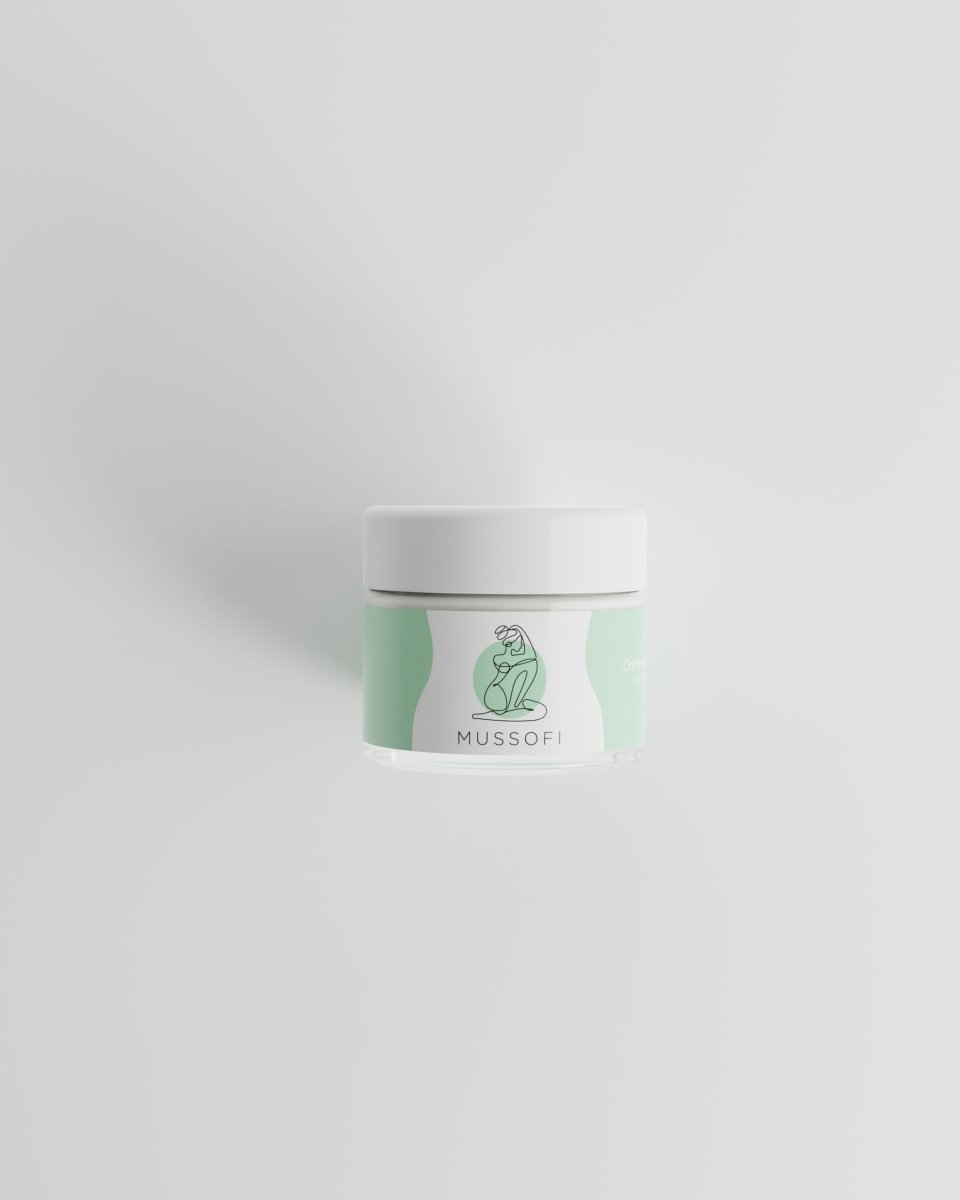
Using a face cream for dark spots can be beneficial for evening out skin tone. This unifying and anti-spot face cream is specifically formulated for dark skin. It helps to fade spots and reveal a radiant complexion.
Anti-Dark Spot Serum for Dark Skin

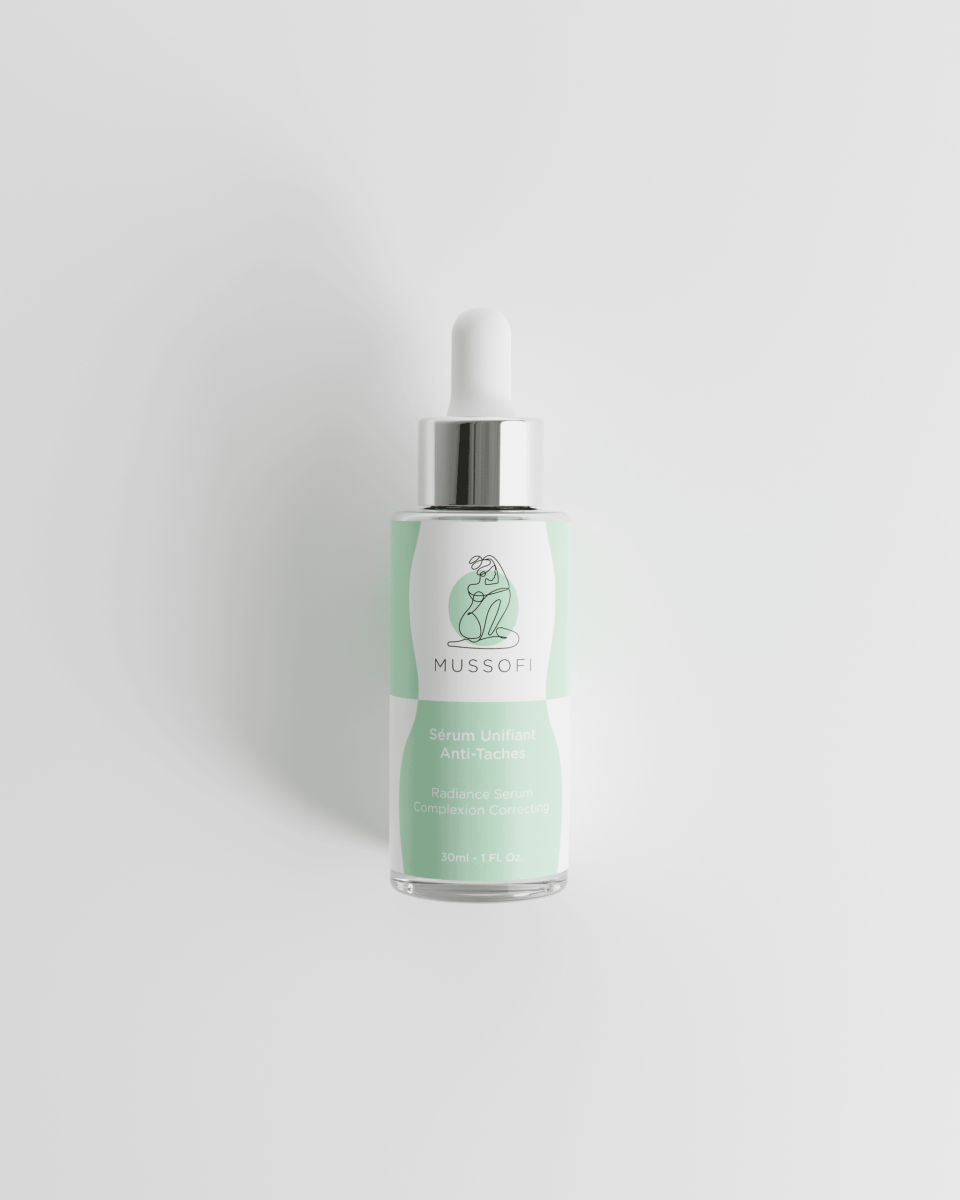
Serums, rich in brightening agents, are particularly effective. To optimize your results, opt for a dark spot serum that targets dark areas while softening the skin.
Sun Protection
Sun protection is crucial in the fight against hyperpigmentation. Choosing a non-comedogenic sunscreen for dark skin can prevent the formation of new spots and protect the skin from UV rays.
Hydration and Unification
Moisturizing Cream and Body Lotion for Black Skin

Hydration is key to maintaining a healthy skin barrier. Incorporate a moisturizer for dark skin into your routine to keep your skin soft and supple.
Unifying & Moisturizing Body Lotion

For the rest of the body, opt for a unifying and moisturizing body lotion that intensely nourishes the skin while unifying the complexion.
Tips for an Effective Skincare Routine
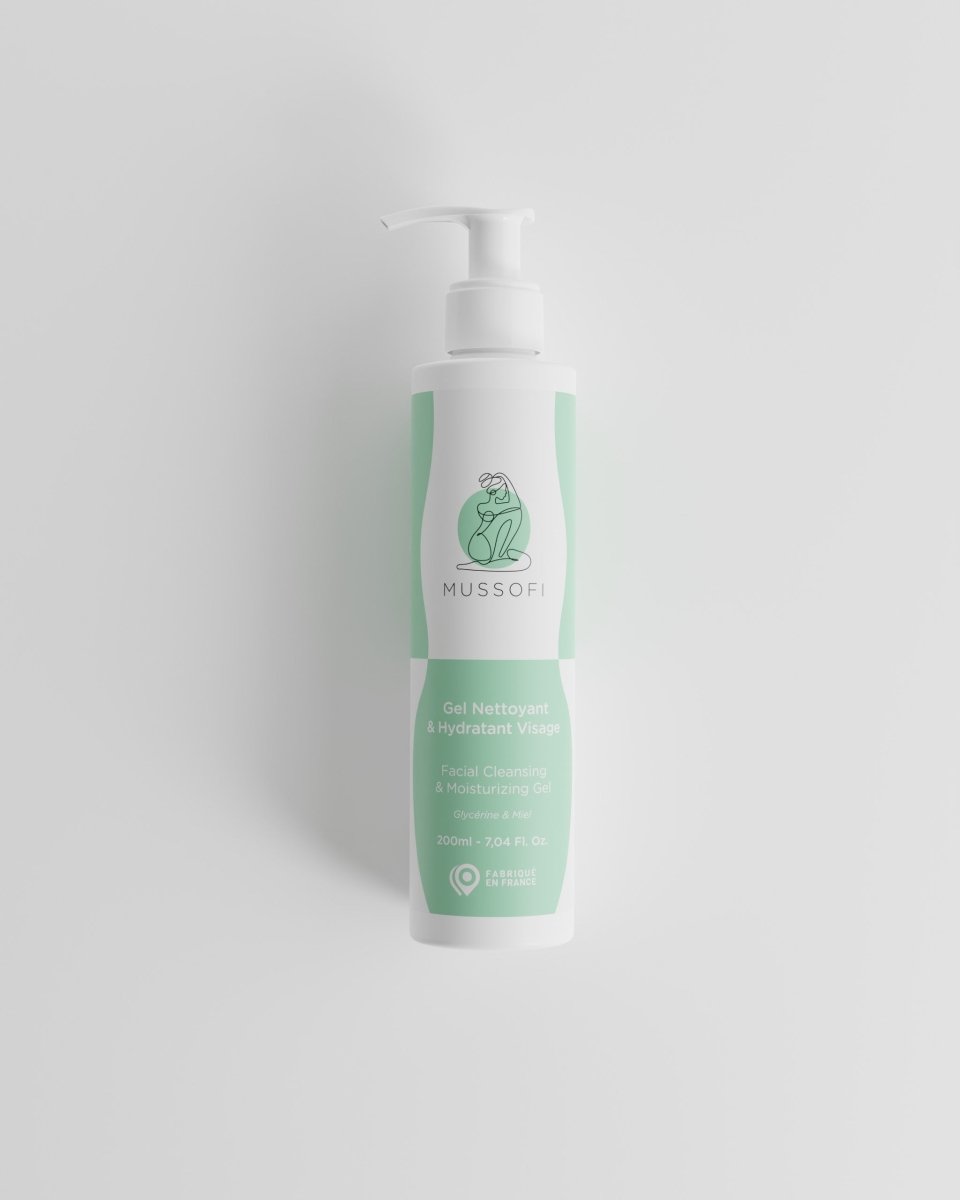
- Gentle Cleansing : Use a gentle cleanser suitable for black skin.
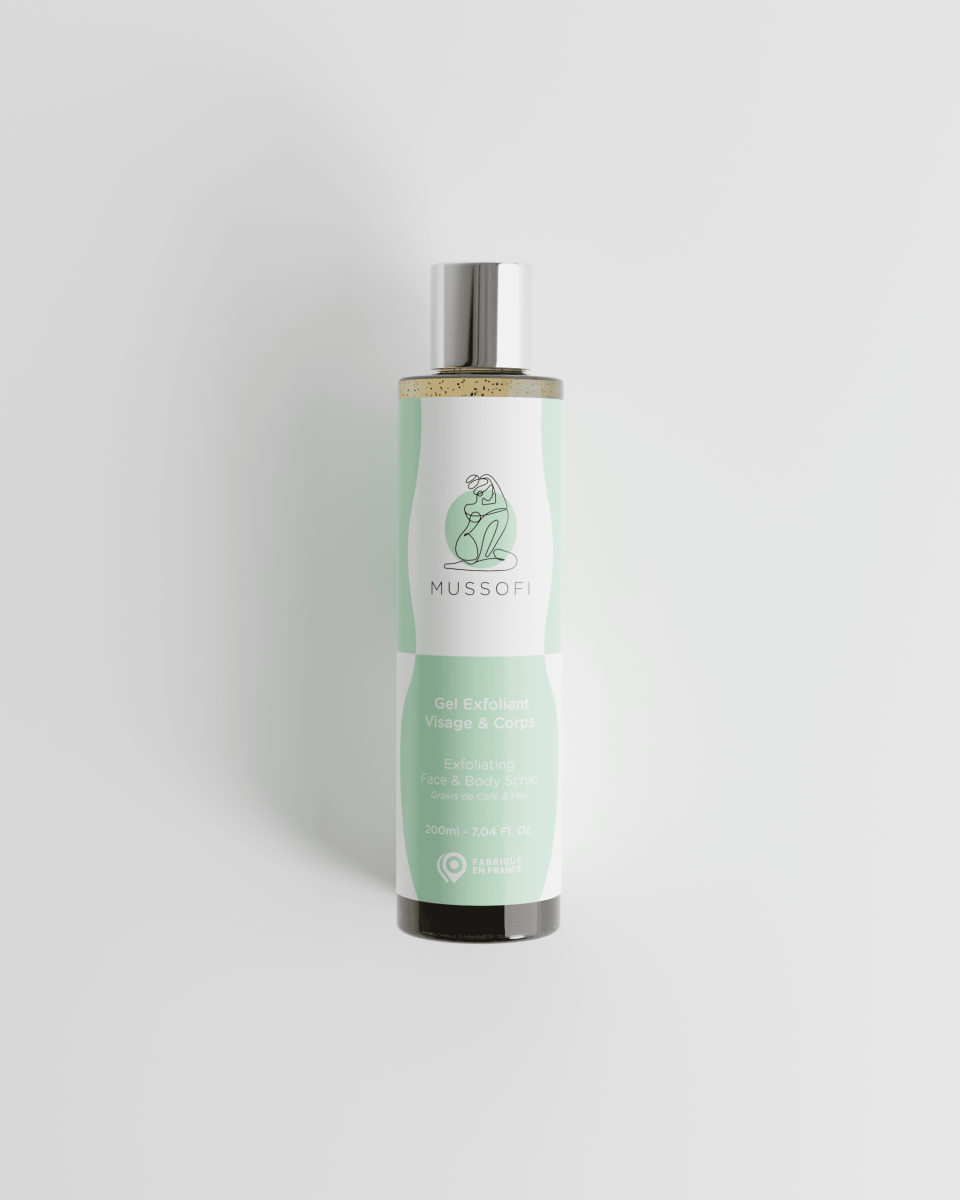
- Regular Exfoliation : Help your skin renew itself with a weekly scrub.
- Consistency : Adopt a daily routine that includes cleansing, treatment, moisturizing, and sun protection.
For more products and advice on face and body care for black skin, visit Mussofi .
Frequently Asked Questions
What is hyperpigmentation and why is it more common on dark skin?
Hyperpigmentation refers to dark spots on the skin resulting from an overproduction of melanin. On dark skin, this condition may be more noticeable due to the contrast between the darker skin and the affected areas. Factors such as scarring, acne, and sun exposure can worsen the problem.
What are the effective treatments for hyperpigmentation?
Treatments include skin-lightening creams containing hydroquinone, kojic acid, vitamin C, and glycolic acid. Dermatological procedures such as chemical peels and laser treatments may also be recommended.
Can natural remedies help reduce hyperpigmentation?
Yes, some natural remedies like lemon juice, honey, aloe vera, and vitamin E oil can have beneficial effects. However, their effectiveness can vary, and it's advisable to do a patch test beforehand to check for skin reactions.
How important is sun protection in the treatment of hyperpigmentation?
Sun protection is crucial because UV exposure can worsen hyperpigmentation. It is recommended to use a sunscreen with a high SPF and reapply it regularly, especially when outdoors.
How long does it take to see results with the treatments?
Results may vary depending on the type of treatment and the severity of the hyperpigmentation. Generally, it takes several weeks to a few months to see a noticeable improvement in dark spots.
Are hyperpigmentation treatments safe for all skin types?
Most treatments can be adapted to different skin types, but it is important to consult a dermatologist before starting any new treatment to avoid irritation or adverse reactions.
What should be done if hyperpigmentation worsens?
If you notice a worsening of dark spots, it is important to consult a healthcare professional. They can assess your skin and adjust your treatment according to your specific situation.
How to prevent hyperpigmentation on dark skin?
To prevent hyperpigmentation, it is advisable to maintain good skin hygiene, avoid skin trauma such as scratches, and ensure adequate sun protection. Regular moisturizing and the use of products suited to your skin type are also recommended.