Mixed-race skin, beautiful in its diversity and richness, can sometimes present particular challenges, especially in terms of hyperpigmentation. Dark spots on the skin can be the result of various factors, such as acne scars, aging, or sun exposure. These spots can be particularly noticeable and difficult to treat. Fortunately, there are effective solutions for removing hyperpigmentation spots on dark skin, thanks to targeted treatments like skin-lightening creams.
Table of Contents
- Table of Contents
- Understanding hyperpigmentation
- The importance of a good skincare routine
- Step 1: Cleaning
- Step 2: Stain Treatment
- Step 3: Hydration
- Step 4: Sun protection
- Complementary Serums and Lotions
- Consistency: The key word
- Frequently Asked Questions
Understanding hyperpigmentation
Hyperpigmentation is a common problem among people with dark or mixed-race skin. It manifests as spots that are darker than the natural skin tone, usually resulting from excessive melanin deposits. Using appropriate products, such as a dark spot cream for the face, is essential to lighten these marks.
The importance of a good skincare routine

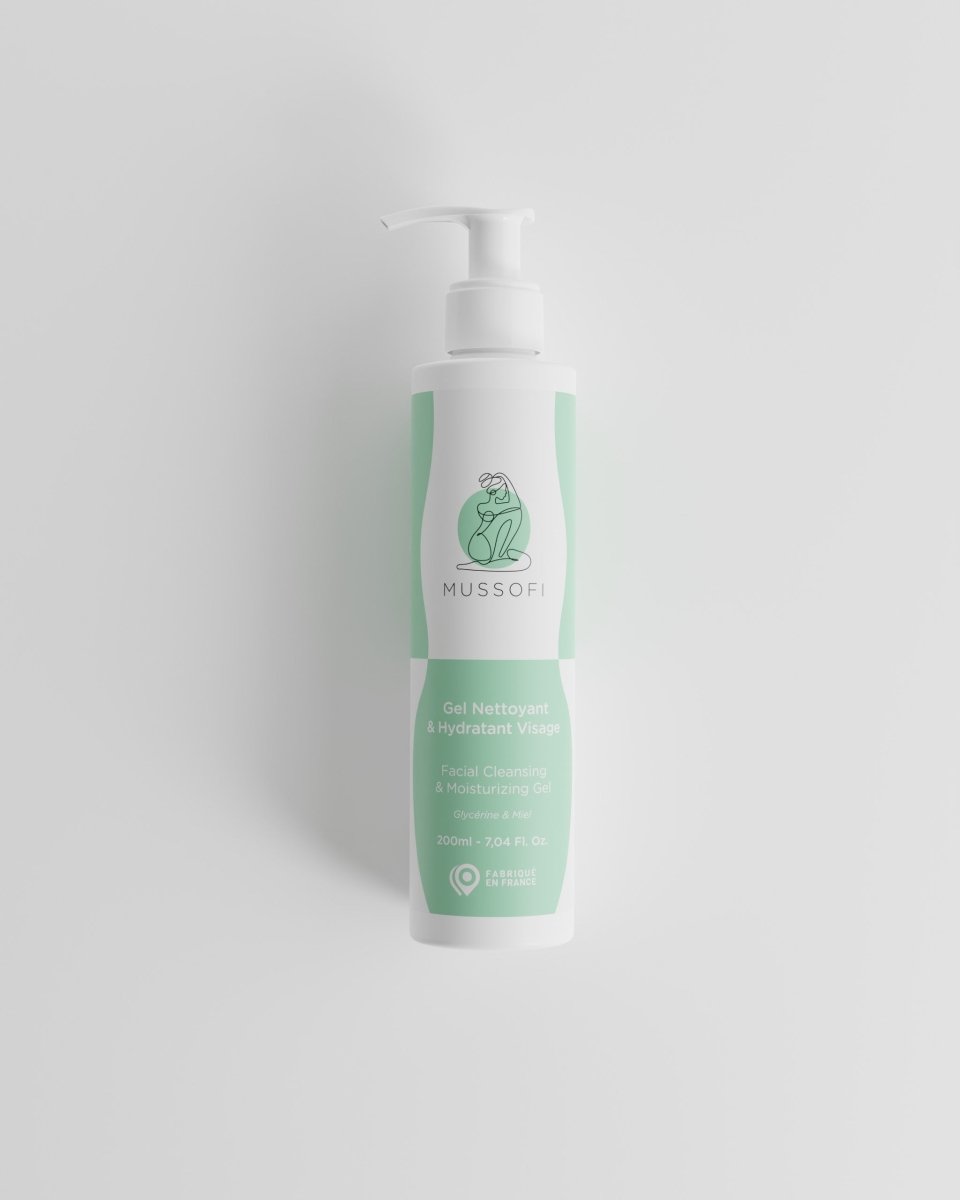
Adopting a skincare routine for dark skin not only helps treat existing blemishes but also prevents their appearance. A typical skincare routine for dark skin might include a cleansing and moisturizing facial gel, such as the Cleansing & Moisturizing Facial Gel , which prepares the skin to receive subsequent treatments.
Step 1: Cleaning
Always start by cleansing your skin to remove impurities and excess sebum. This step is crucial for the treatment to be effective.
Step 2: Stain Treatment

Apply a unifying cream specifically formulated to treat hyperpigmentation. The Unifying and Anti-Dark Spot Face Cream is ideal for directly targeting dark spots and providing a lasting solution.
Step 3: Hydration
Don't forget to finish your routine with a moisturizer specifically formulated for dark skin. This not only nourishes your skin but also strengthens its barrier function, contributing to an even complexion.
Step 4: Sun protection
Sun protection is crucial in reducing dark spots. Opt for a non-comedogenic facial sunscreen to avoid clogging pores while protecting your skin.
Complementary Serums and Lotions
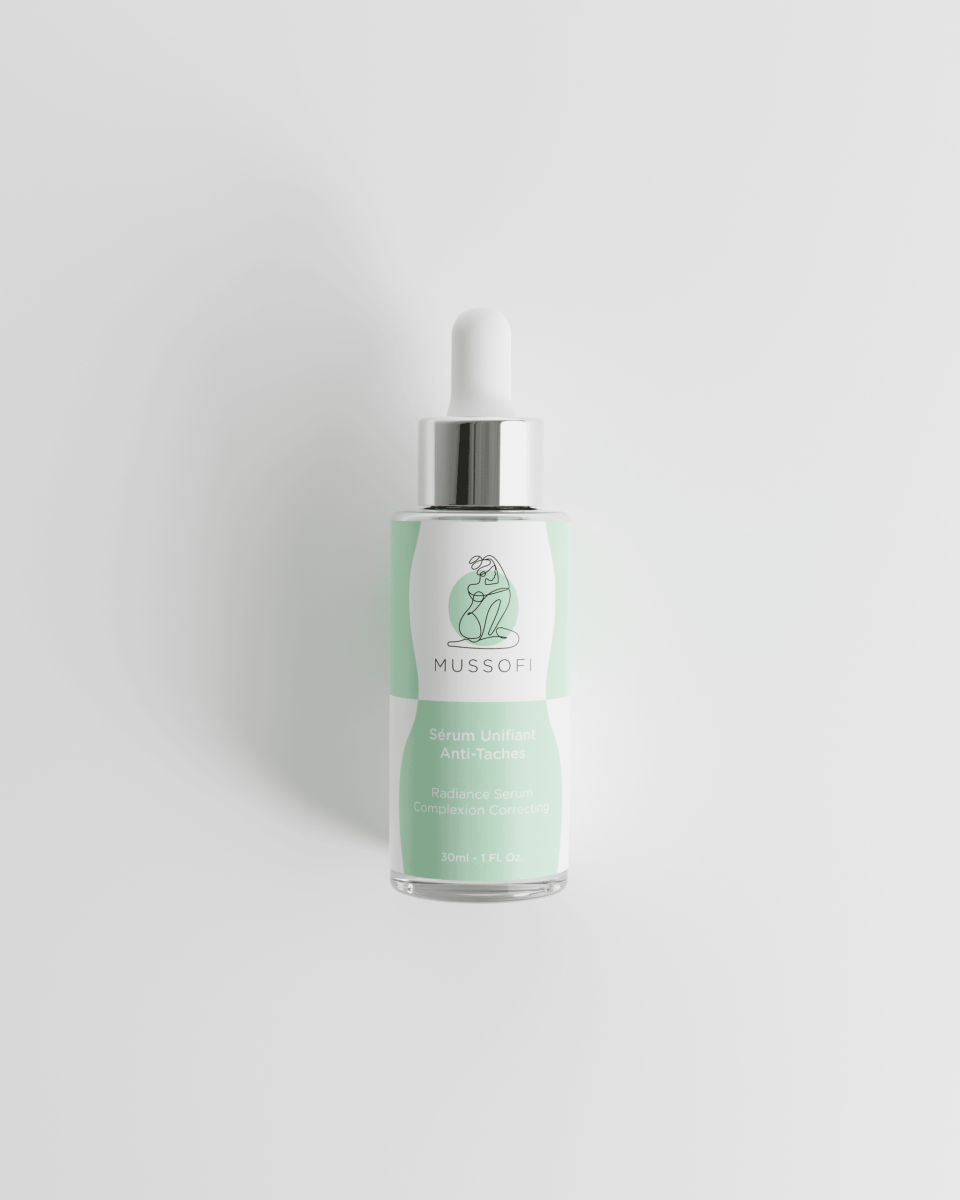
For a complete treatment of hyperpigmentation, consider adding a dark spot serum to your routine. These serums specifically target dark spots and can accelerate the lightening process.
Consistency: The key word
The key to treating hyperpigmentation is consistency in your routine. By combining skincare products suited to your skin type, such as those designed for the diverse needs of mixed-race skin, you will see a significant improvement in your complexion over time.
For more advice and to discover our products, visit Mussofi .
By establishing a disciplined skincare routine and choosing the right products, reducing dark spots on mixed-race skin can become an achievable goal. Explore all the available options for effective treatment and take the time to observe the results.
Frequently Asked Questions
What is mixed-race skin?
Mixed-race skin refers to skin types that exhibit combined characteristics, often inherited from mixtures of ethnic origins, resulting in varied pigmentation and sometimes spots.
How can a unifying cream help my skin?
A unifying cream aims to balance the complexion and reduce the appearance of dark or uneven spots, allowing a natural and even glow on the skin.
When should I start using a unifying cream?
It is advisable to start using a unifying cream as soon as you notice any unevenness in skin color, whether due to sun exposure, scars, or other factors.
What is the best time of day to apply the cream?
Ideally, it is best to apply the unifying cream in the morning and evening, after cleansing your skin, to maximize its effects.
Can I use a unifying cream with other skincare products?
Yes, but be sure to check the compatibility of the ingredients. Start with a test on a small area of skin to avoid any adverse reactions.
How long does it take to see results?
Results may vary depending on the product and skin type, but generally, visible improvements are seen after four to six weeks of regular use.
Are unifying creams suitable for all skin types?
Some creams are formulated for specific skin types. It's important to choose a product suited to your skin type and unique needs.
Are there any side effects to using a unifying cream?
Some people may experience irritation or redness. If any adverse effects occur, it is recommended to consult a dermatologist or discontinue use of the product.
Is it necessary to use sunscreen with a unifying cream?
Yes, it is crucial to apply sunscreen while using a unifying cream, as some ingredients can make the skin more sensitive to the sun.