Black skin is unique and has specific skincare needs. It is often prone to problems such as hyperpigmentation, which manifests as dark spots on the skin. These spots can be caused by various factors, including sun damage, inflammation, or hormonal changes. Finding effective solutions to remove these spots and offering treatments tailored to hyperpigmentation in Black skin is essential.
Table of Contents
- Table of Contents
- Moisturizing cream: the cornerstone of your routine
- Unify and protect
- Frequently Asked Questions
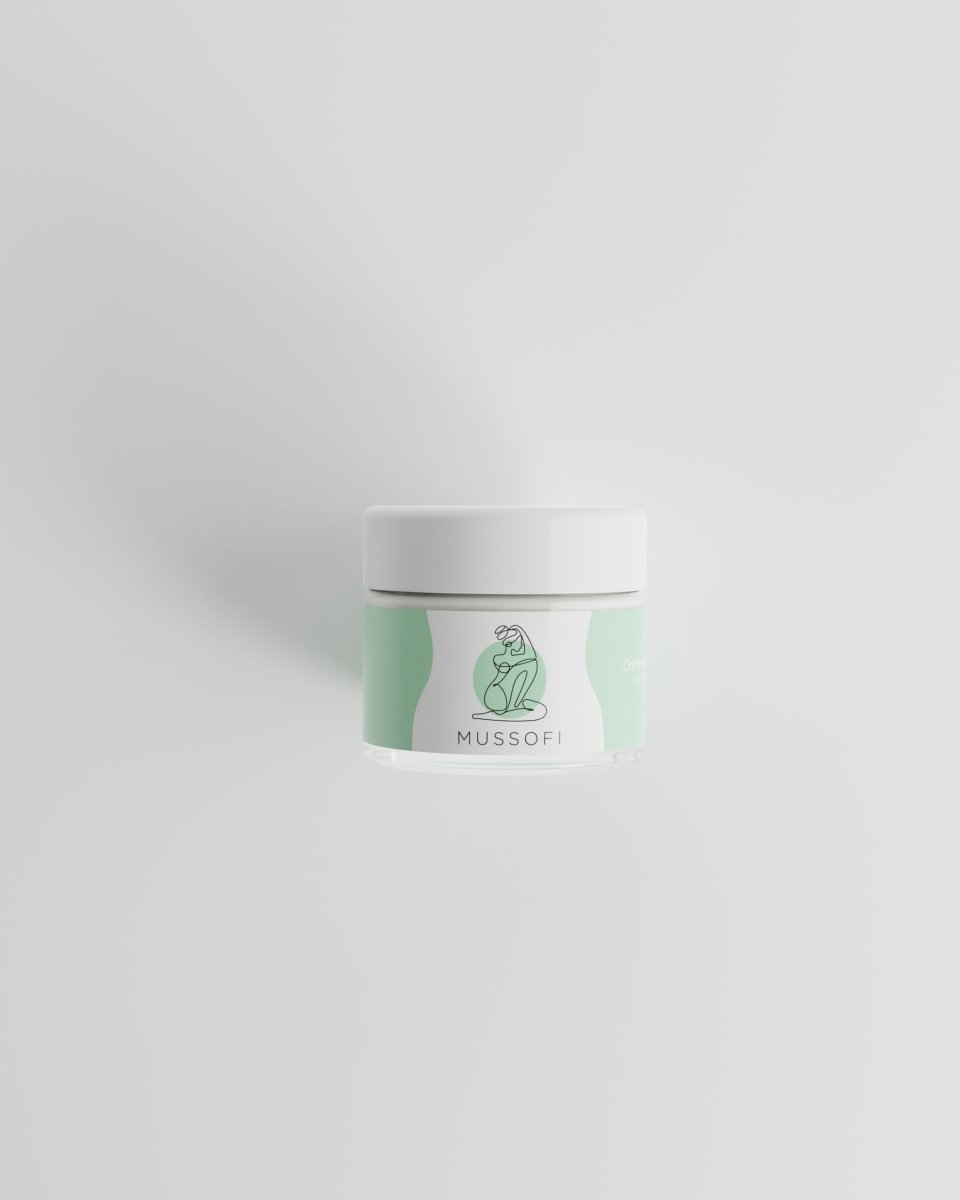
A suitable facial skincare routine includes several key steps. One of the essential products is the Unifying and Anti-Dark Spot Face Cream . This cream is specially formulated to reduce dark spots and even out skin tone. It contains active ingredients that help reduce hyperpigmentation while hydrating the skin.
Moisturizing cream: the cornerstone of your routine

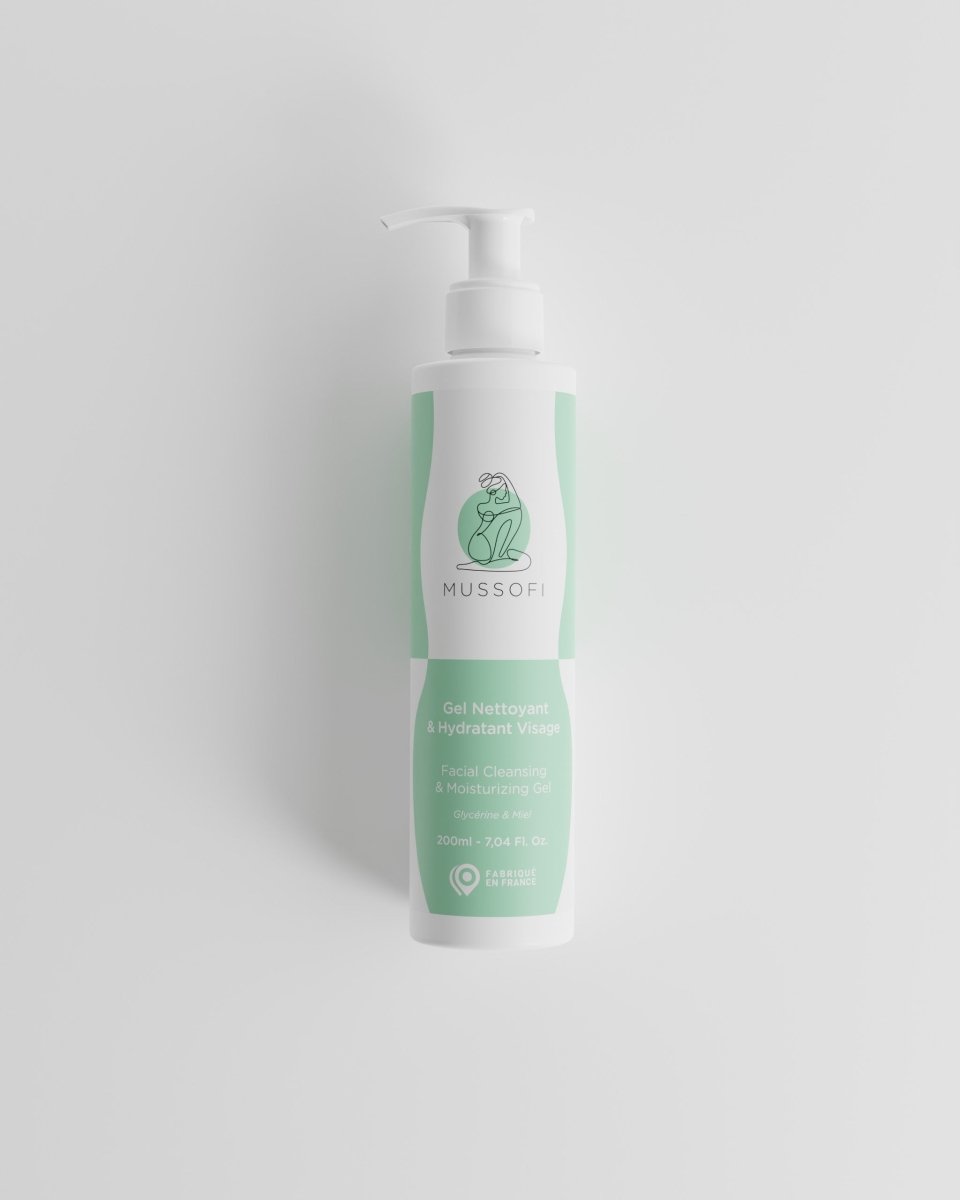
Moisturizing cream for dark skin is essential in your daily routine. Proper hydration helps maintain skin elasticity and can prevent the appearance of new dark spots. For dark and mixed-race skin, using a non-comedogenic sunscreen is also crucial to protect the face from the harmful effects of UV rays without clogging pores. We recommend the Cleansing & Moisturizing Facial Gel to prepare the skin before applying your moisturizer.
Unify and protect

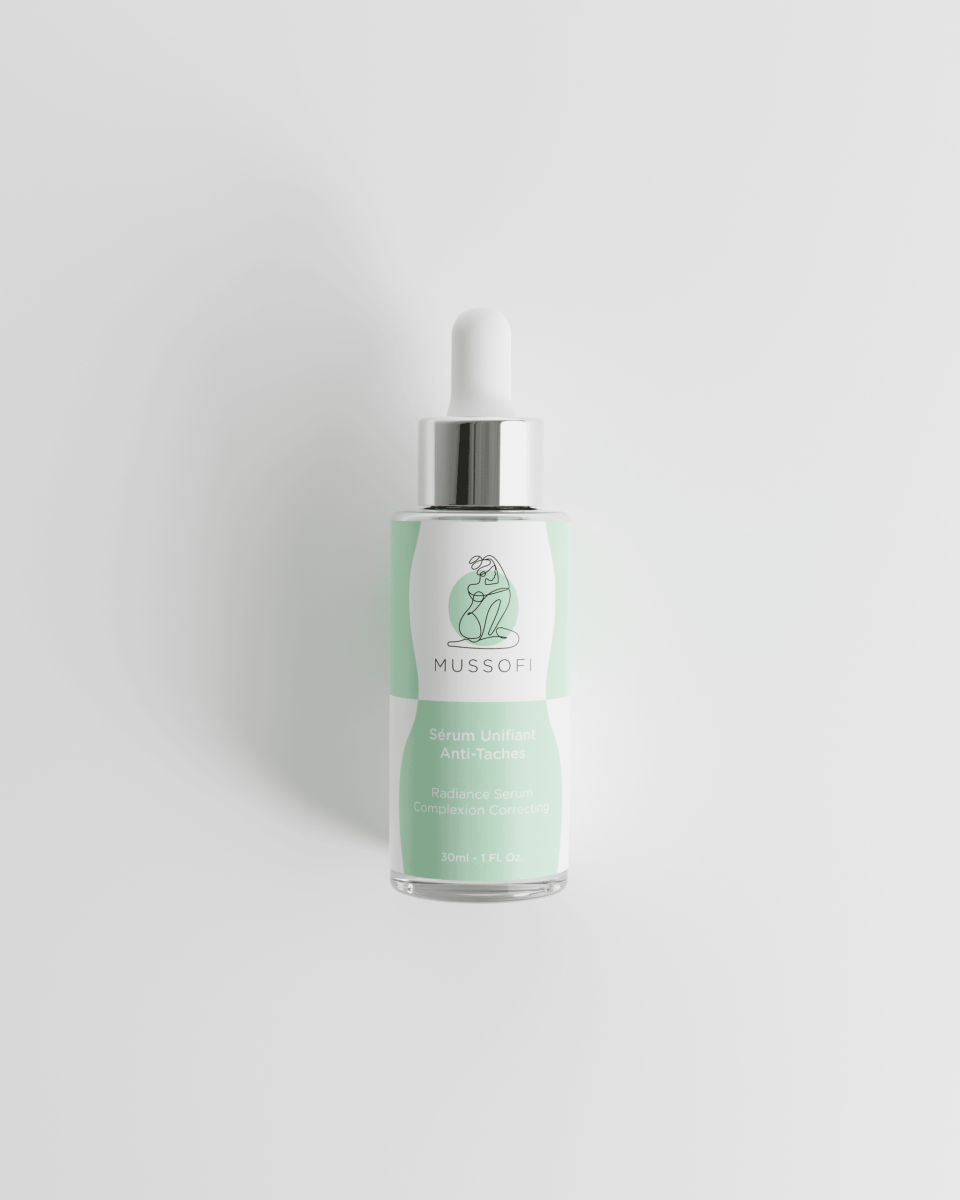
In addition to moisturizer, using a spot-correcting serum can be beneficial. Serums infused with vitamin C or niacinamide are known for their effectiveness against dark spots. For a more comprehensive approach, the Global Face & Body Routine offers a range of products designed for daily care, targeting skin tone evening and nourishment.
Tip : Make sure your facial sunscreen is suitable for dark and mixed-race skin to prevent the worsening of hyperpigmentation.
Black skin deserves dedicated care that respects its specific needs. Proper hydration, combined with suitable products like unifying creams and serums, can make a noticeable difference in the skin's appearance. Consider incorporating a complete facial routine to maximize the beneficial effects on your complexion.
To learn more about products suited to your skin, visit Mussofi .
Hydration, skin tone evening, and sun protection are the three pillars for keeping your dark skin radiant. Adopt a routine that addresses these distinct needs and feel confident in your skin.
Frequently Asked Questions
Why is it important to use a moisturizer on black skin?
Hydration is crucial for all skin types, but dark skin can be more prone to dryness. A moisturizing cream helps maintain skin elasticity while preventing unevenness and signs of aging.
How often should I apply my moisturizer?
It is recommended to apply moisturizer twice a day, once in the morning and once in the evening, after cleansing your skin. This ensures consistent hydration throughout the day.
What ingredients should I look for in a moisturizer for black skin?
Look for ingredients like hyaluronic acid, shea butter, and natural oils (like jojoba oil) that deeply nourish the skin and promote good hydration.
Can I use the same moisturizer for my face and body?
It is best to have specific products for the face and body, as facial skin is generally more sensitive and requires suitable formulations, especially for oilier or acne-prone skin types.
What is the best way to apply my moisturizer?
Apply the cream to slightly damp skin, preferably after showering or after cleansing your face, gently massaging in circular motions to promote absorption.
Can moisturizing creams help treat dark spots on black skin?
Some moisturizers formulated with brightening ingredients, such as vitamin C or glycolic acid, can help reduce the appearance of dark spots while maintaining skin hydration.
Should I use a moisturizer even if I have oily skin?
Yes, even if you have oily skin, it's essential to use a moisturizer. Opt for lightweight, non-comedogenic formulas that won't weigh down your skin.
Is hydration more important in winter than in summer?
Hydration is important year-round, but in winter, the dry, cold air can make skin more vulnerable to dryness. It's therefore crucial to adjust your routine and keep your skin well-hydrated during this time.
Can I use oils instead of a moisturizer?
Oils can be a great option for hydrating skin, but they don't always replace a moisturizer. Consider using a blend of oils and creams to get the benefits of both.