Table of Contents
- Table of Contents
- Understanding hyperpigmentation in dark skin
- Facial skincare routine for black skin
- Recommended products
- Even out and hydrate your skin
- Frequently Asked Questions
Understanding hyperpigmentation in dark skin
Dark spots on the skin, often caused by hyperpigmentation, are a cosmetic concern affecting many people with dark and mixed-race skin. These spots can result from acne, sun exposure, or skin injuries. Fortunately, there are effective solutions to treat and reduce these imperfections.
Facial skincare routine for black skin

A suitable skincare routine is essential for even and radiant skin. Here are some key steps for an effective skincare routine for dark skin:
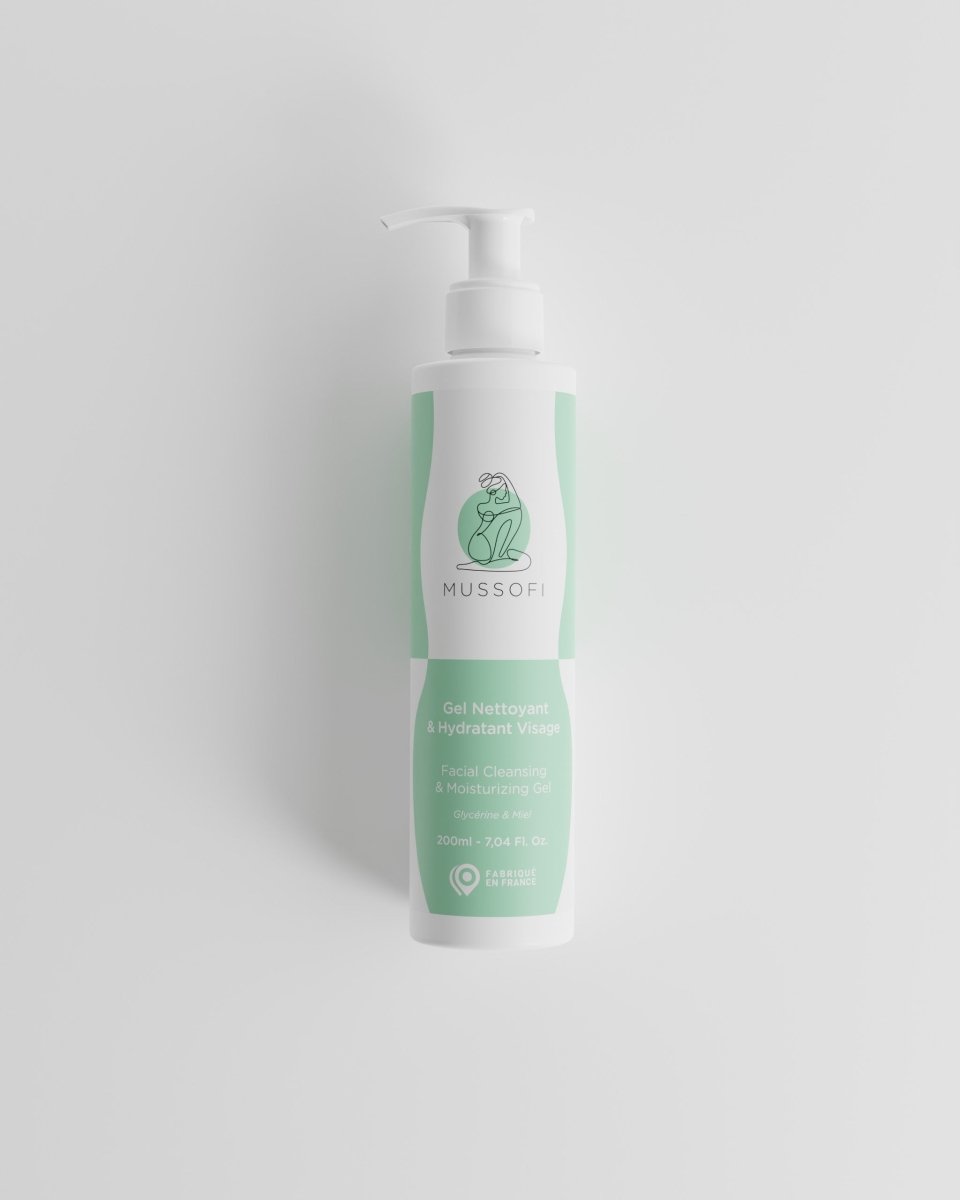
- Cleansing : Use a Facial Cleansing & Moisturizing Gel that deeply cleanses while respecting your skin's balance.
- Hydration : A moisturizer specifically formulated for dark skin can help maintain your skin's elasticity and softness. Using a unifying and moisturizing body lotion can also enhance this effect.
- Sun protection : Use a non-comedogenic facial sunscreen that protects against UV rays while preventing clogged pores. Good sun protection is crucial to prevent the appearance of new dark spots and the worsening of hyperpigmentation.
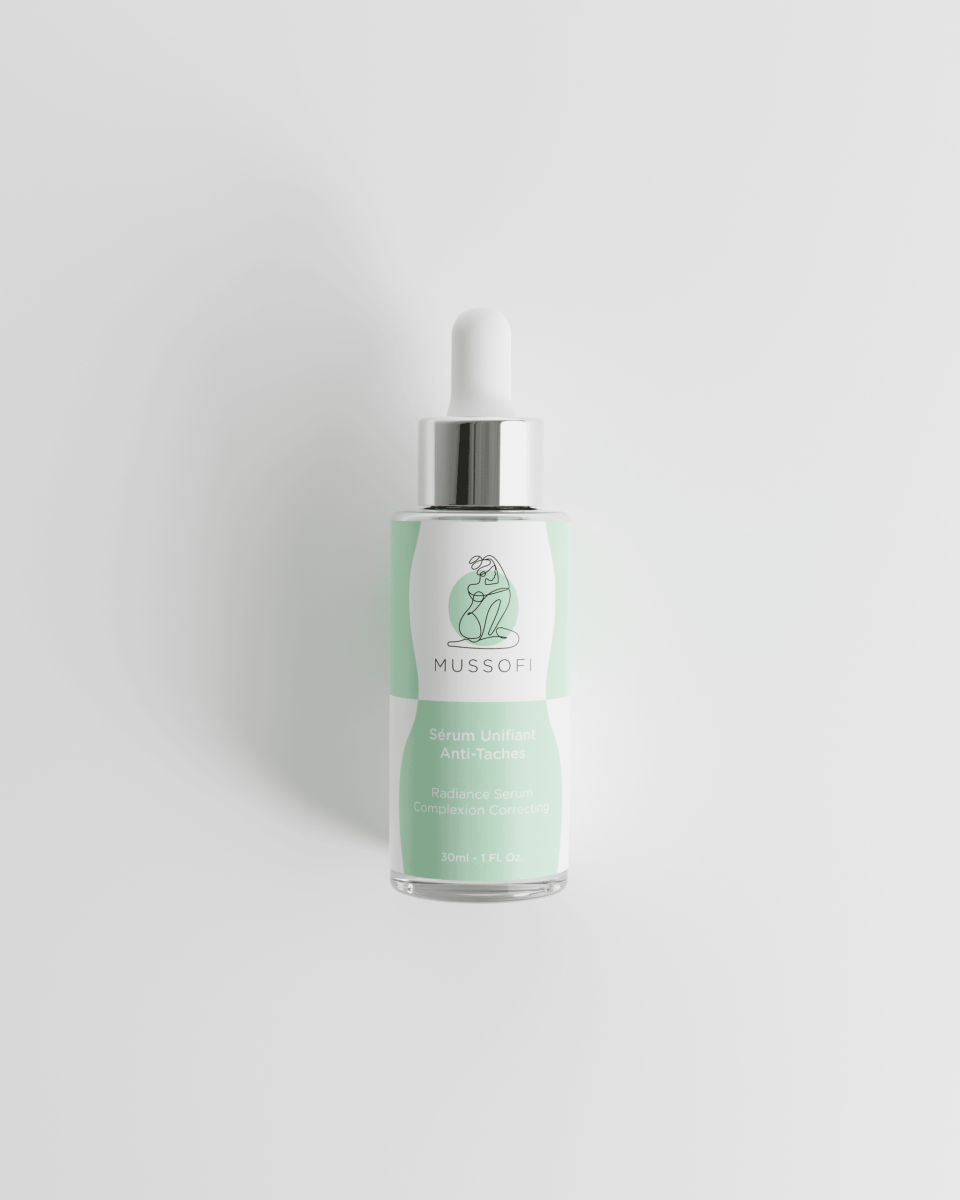
- Treating dark spots : Use a dark spot serum specifically formulated for dark skin to target the affected areas. Choosing a concentrated dark spot serum will help you gradually fade hyperpigmentation spots on dark skin.
Recommended products

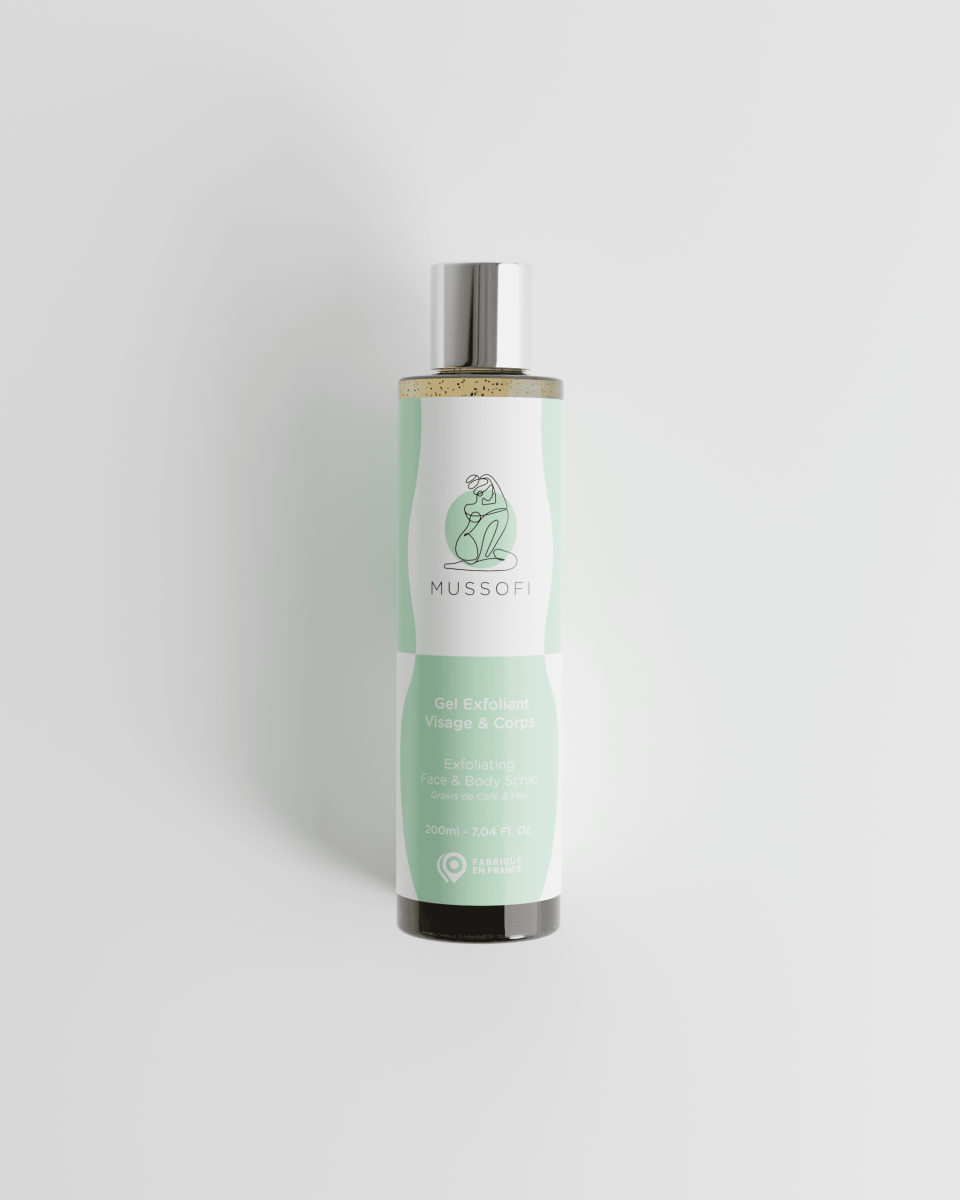
For maximum effectiveness, it is recommended to use a complete range of products designed to treat hyperpigmentation of dark skin. Mussofi offers a complete facial routine that covers all the necessary steps for optimal care.
Even out and hydrate your skin
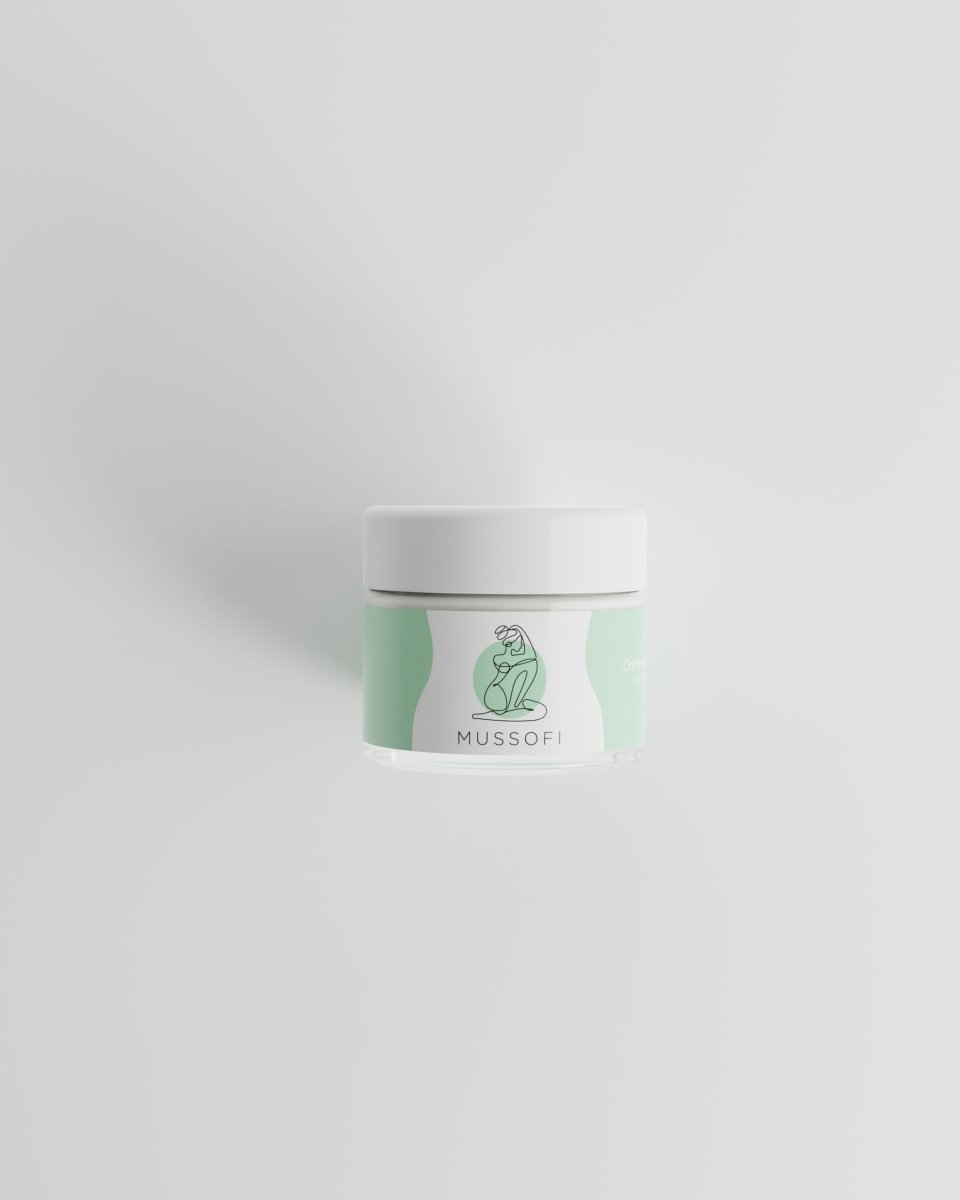
Products such as facial creams for dark spots and body lotions for dark skin can help restore an even skin tone. Regularly moisturizing your skin is also crucial to support cell renewal and the healing of dark spots.
In conclusion, combining specialized products with a rigorous routine is the key to effectively managing hyperpigmentation on dark skin. To discover other suitable products, visit the Mussofi website.
Frequently Asked Questions
What is hyperpigmentation and how does it form on black skin?
Hyperpigmentation is a skin condition that results in dark spots or areas of discoloration. In dark skin, it can be caused by various factors, including sun exposure, skin inflammations such as acne, and hormonal changes.
What are the most common types of hyperpigmentation in people with dark skin?
The most common types of hyperpigmentation include melasma, which is often triggered by hormonal changes, and post-inflammatory hyperpigmentation, which occurs after an injury or skin irritation.
What facial treatments are recommended to treat hyperpigmentation?
It is recommended to use facial care products containing brightening ingredients such as vitamin C, kojic acid, or glycolic acid. These ingredients help to even out skin tone and reduce the appearance of dark spots.
Is it important to use sun protection to prevent hyperpigmentation?
Yes, sun protection is essential to prevent hyperpigmentation from worsening. UV rays can exacerbate dark spots, so applying sunscreen daily is crucial.
What types of products should be avoided for dark skin prone to hyperpigmentation?
It is advisable to avoid products containing harsh or irritating ingredients, such as overly strong chemical exfoliants, which can sensitize the skin and worsen hyperpigmentation.
Can hyperpigmentation be treated with natural remedies?
Some people find that natural remedies like aloe vera or lemon juice can help. However, it's best to consult a dermatologist for personalized advice and to avoid adverse reactions.
How visible can the results of hyperpigmentation treatments be?
Results vary depending on the individual and the treatment used. Generally, it takes several weeks to a few months to see significant improvements, especially when combining several methods.
Is hyperpigmentation reversible?
Yes, in many cases, hyperpigmentation can be treated and reduced with the regular use of suitable products and proper skincare. However, maintaining a consistent skincare routine is essential to prevent recurrence.
When should I see a dermatologist for my hyperpigmentation?
It is advisable to consult a dermatologist if you notice sudden changes in the appearance of your skin, if hyperpigmentation does not improve with home care, or if you have concerns about skin lesions.