Hyperpigmentation is a common skin condition that affects people of all backgrounds, but it is often more noticeable on dark skin. Understanding why these spots appear and how to treat them effectively is essential for maintaining even and radiant skin. In this article, we will explore the causes of hyperpigmentation in dark skin and the various solutions available for removing dark spots.
Table of Contents
- Table of Contents
- Understanding hyperpigmentation on dark skin
- Solutions for removing hyperpigmentation spots on dark skin
- Creams and serums
- Sun protection
- Hydration
- Body care
- Skincare routine
- Conclusion
- Frequently Asked Questions
Understanding hyperpigmentation on dark skin
Hyperpigmentation occurs when certain areas of the skin produce more melanin than others, resulting in uneven pigmentation. For people with dark or mixed-race skin, hyperpigmentation can be triggered by several factors, including:
- Sun exposure
- Hormonal changes
- Skin injuries or irritations
Solutions for removing hyperpigmentation spots on dark skin
To effectively treat hyperpigmentation, it is important to adopt a well-established skincare routine for dark skin, which includes specialized products such as creams and serums for dark skin spots.
Creams and serums

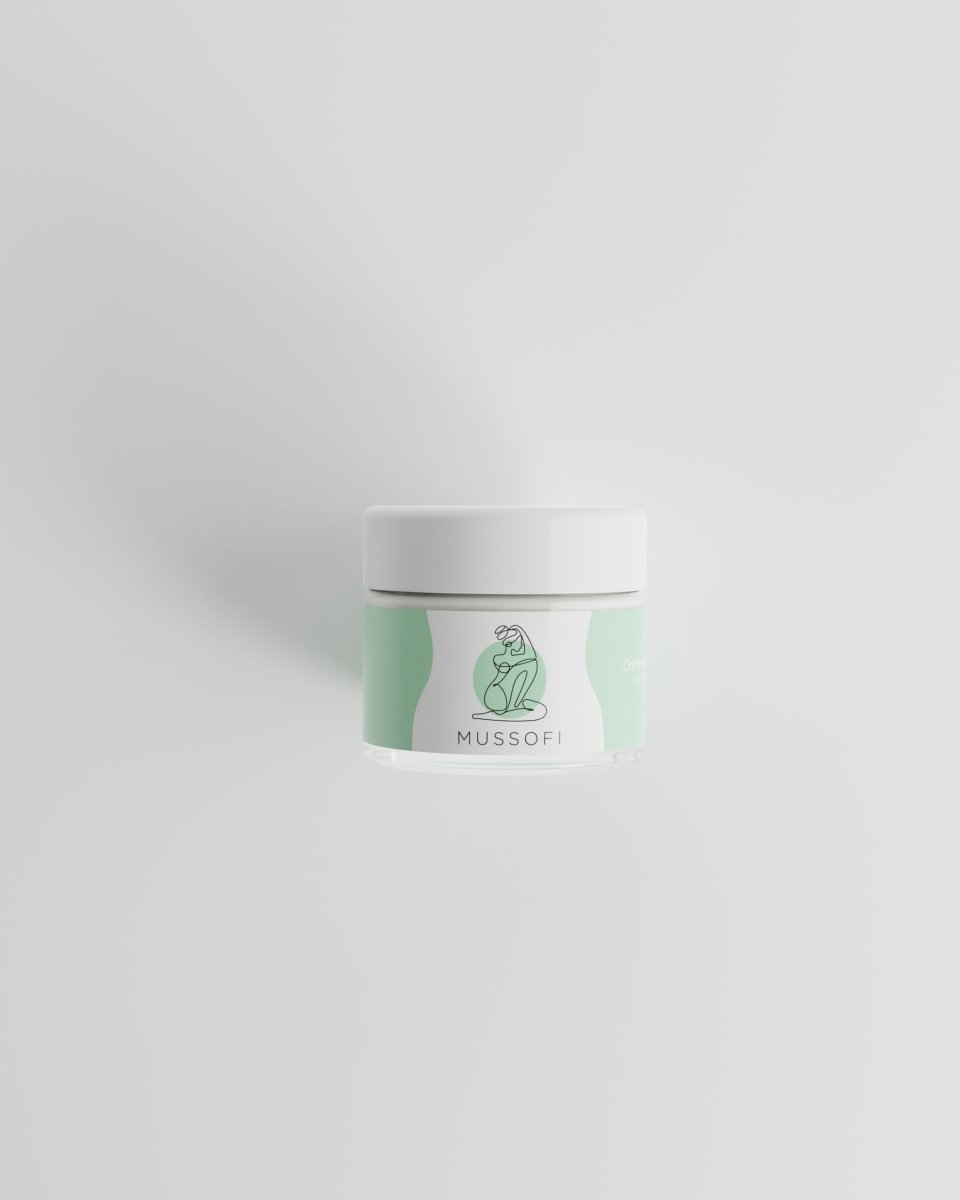
- Even skin tone and spot corrector face cream : This cream helps even out skin tone while reducing the visible signs of hyperpigmentation. It's ideal for those looking for a cream to treat dark spots on the face. To learn more, discover the product here .
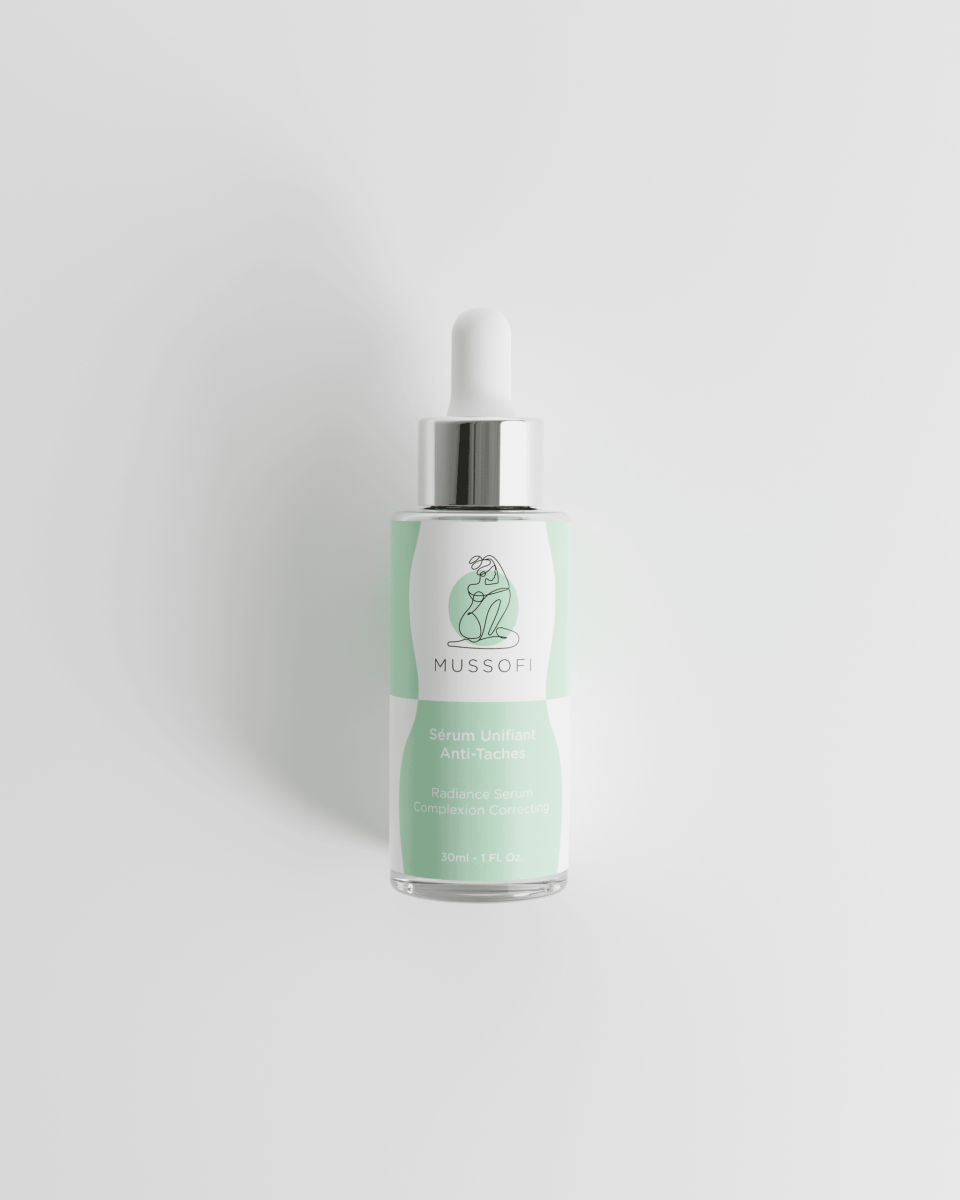
- Skin-brightening and anti-dark spot face serum : A concentrated serum can be particularly effective thanks to its ability to penetrate deeply into the skin to treat areas most affected by hyperpigmentation. Explore this serum here .
Sun protection
Applying sunscreen is crucial for dark skin. Opt for a non-comedogenic facial sunscreen to avoid rashes while protecting your skin from UV rays.
Hydration
Use a moisturizing cream for dark skin to maintain the skin barrier and prevent the appearance of new spots.
Body care
For those who wish to even out the complexion of the entire body, a body lotion for dark skin containing unifying ingredients is recommended.
Skincare routine

Adopting a suitable overall face and body routine is essential for effective long-term treatment. Here is a recommended routine for the body and face .
Conclusion
Hyperpigmentation is a cosmetic challenge that can be effectively managed with a combination of targeted treatments and proper protection. By using the right products and following a suitable skincare routine, you can achieve an even and radiant complexion. For more articles and products dedicated to skincare for Black skin, visit mussofi.com .
Frequently Asked Questions
What is hyperpigmentation?
Hyperpigmentation is a skin condition where certain areas become darker due to an overproduction of melanin. This can be caused by various factors, including sun exposure, skin injuries, hormones, or certain diseases.
What are the common causes of dark spots on black skin?
Causes can include sun exposure, acne scars, eczema, hormonal disorders, or irritations resulting from unsuitable cosmetic products.
What are the recommended treatments for hyperpigmentation?
Treatments can vary, but often include skin-lightening creams containing ingredients like kojic acid, hydroquinone or retinol, as well as professional treatments like peels or laser.
Why is it important to use sunscreen?
Daily use of sunscreen is crucial to prevent hyperpigmentation from worsening. UV rays can stimulate melanin production, making spots darker and more visible.
Can hyperpigmentation disappear completely?
In many cases, hyperpigmentation can fade with appropriate treatment. However, some people may have a genetic predisposition, making treatment more difficult.
Are there any natural remedies to treat dark spots?
Some people turn to natural remedies such as lemon juice, aloe vera gel or honey, although their effectiveness varies and is often less powerful than dermatological treatments.
How do I know which treatment is best suited to my skin?
It is recommended to consult a dermatologist to assess your skin type and the degree of hyperpigmentation. A professional can prescribe appropriate treatment and help you avoid common mistakes.
Could the black spots be a sign of something more serious?
In some cases, dark spots can be a sign of an underlying medical condition. Therefore, it is important to have any unusual skin changes evaluated by a healthcare professional.
Does hyperpigmentation only affect people with dark skin?
No, hyperpigmentation can affect all skin types, but it is often more visible on darker skin due to the contrast with the skin color.