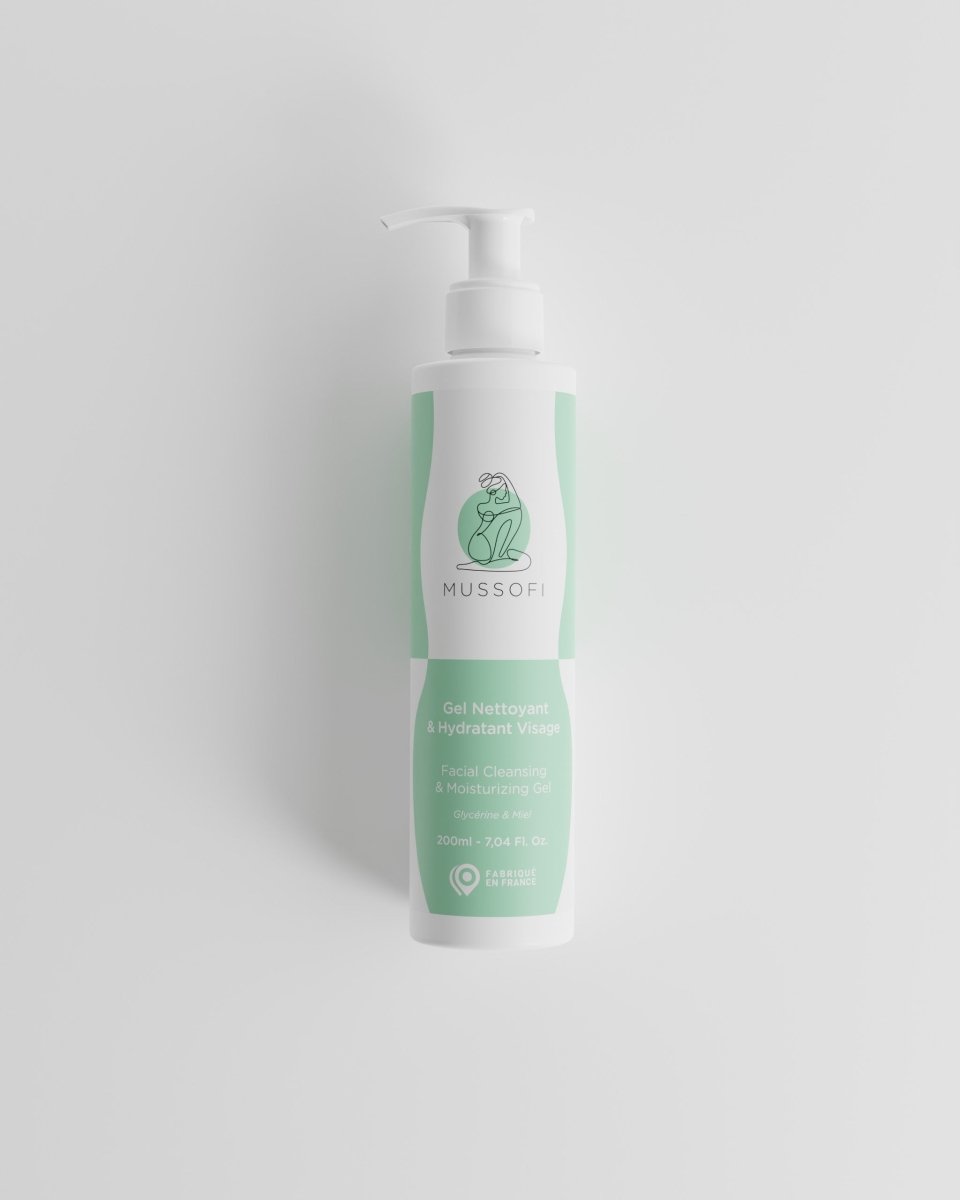
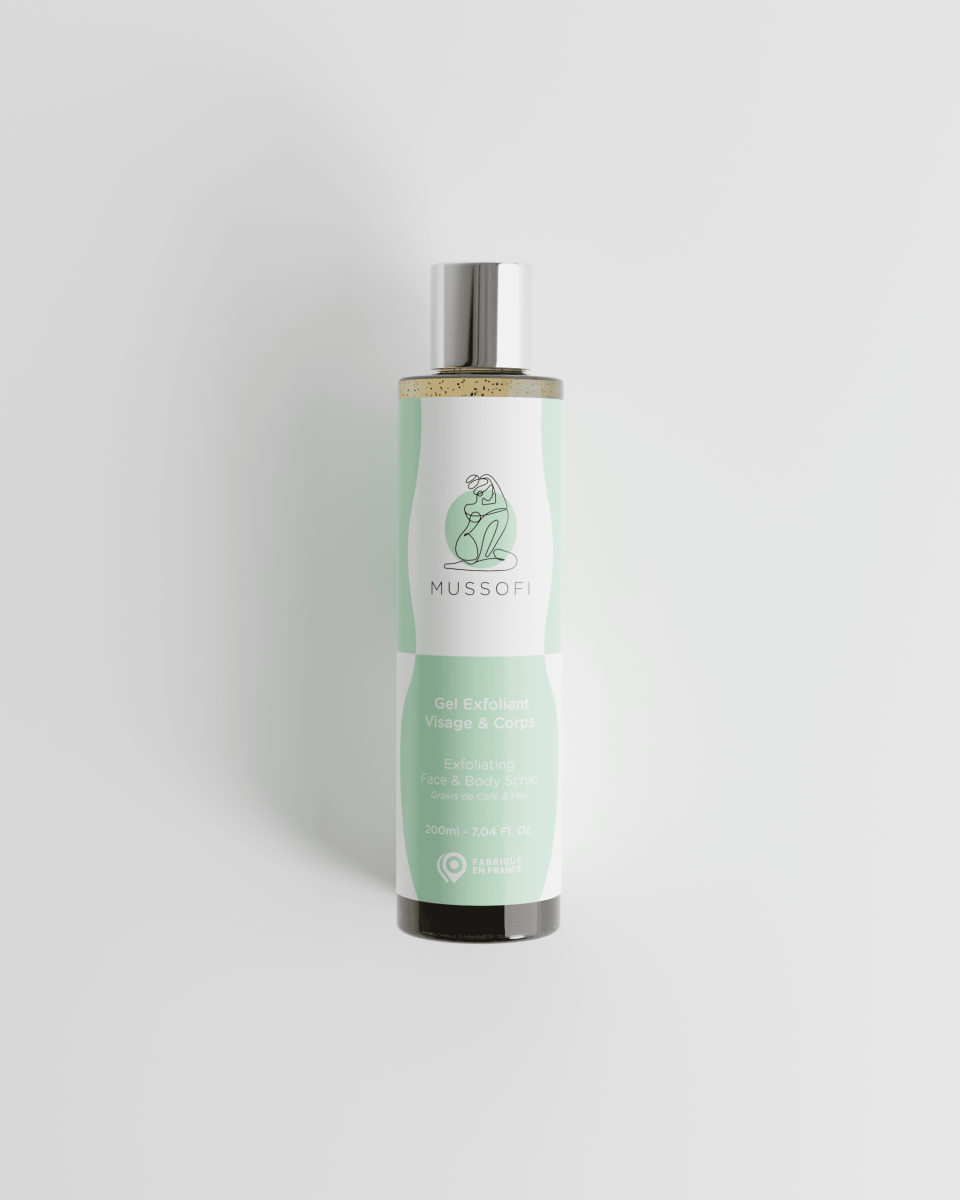
Hyperpigmentation in dark skin is a common problem that can result from various factors, including sun exposure without adequate protection. Dark patches on the skin are often more noticeable and can lead to uneven skin tone. Using appropriate products, such as a non-comedogenic sunscreen, is essential to protect the skin and prevent these conditions.
Table of Contents
- Table of Contents
- Why Black Skin Needs Sunscreen
- Solutions for treating hyperpigmentation
- Try these products:
- Incorporate a complete skincare routine
- Taking care of your mixed-race skin
- Frequently Asked Questions
Why Black Skin Needs Sunscreen
Contrary to popular belief, dark skin is vulnerable to sun damage. It can not only suffer from burns but also exacerbate problems like hyperpigmentation. Therefore, it's crucial to incorporate a sunscreen specifically formulated for dark skin into your daily routine. A non-comedogenic facial sunscreen not only prevents this damage but also avoids clogging pores, which is essential for maintaining healthy, blemish-free skin.
Solutions for treating hyperpigmentation
For those looking to remove hyperpigmentation spots on dark skin, combining an effective sunscreen with targeted products may be the solution. Choosing a dark spot cream and a dark spot serum can help even out skin tone and reduce the appearance of dark spots on the face.
Try these products:

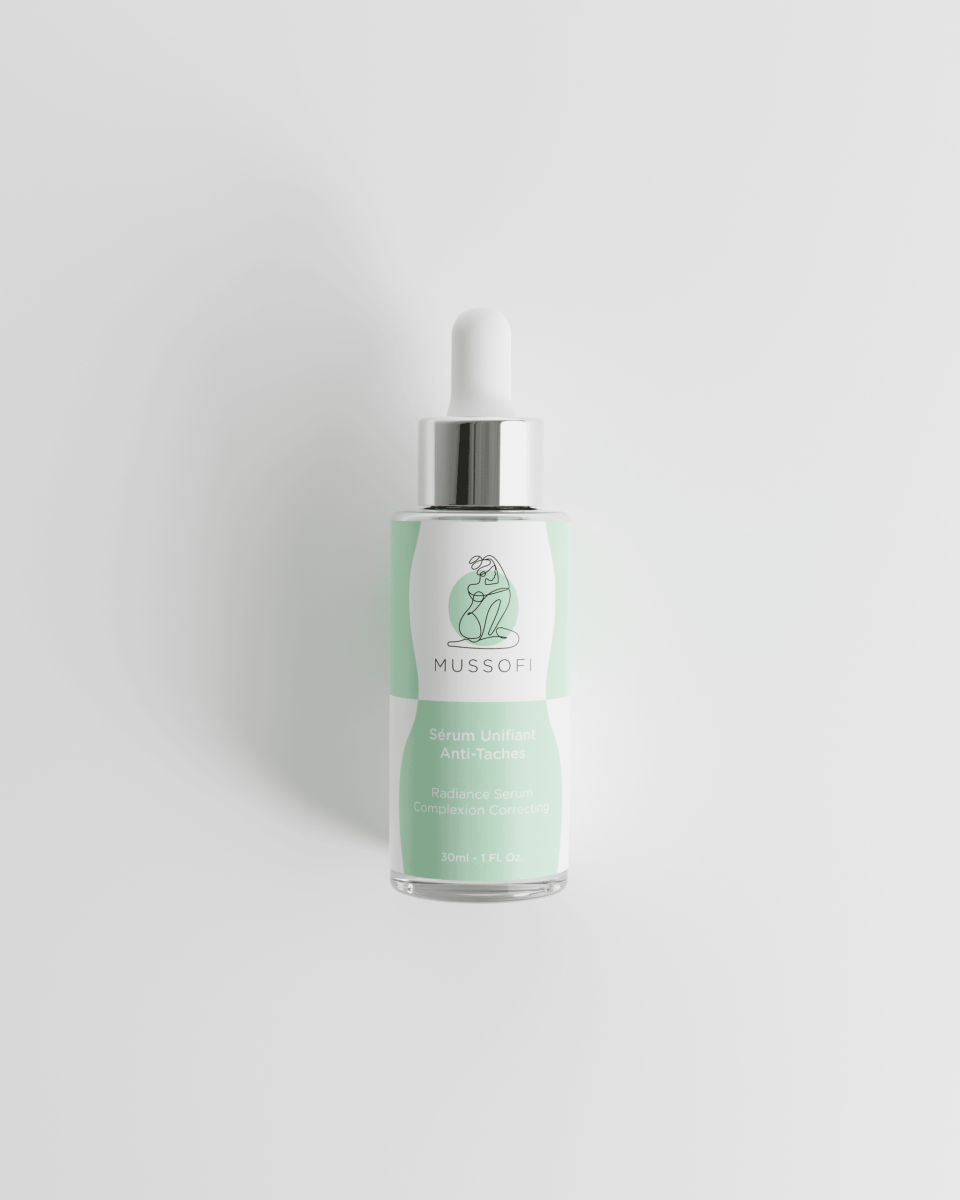
- Unifying and anti-blemish face serum : This serum is ideal for treating hyperpigmented areas while bringing radiance to your complexion.
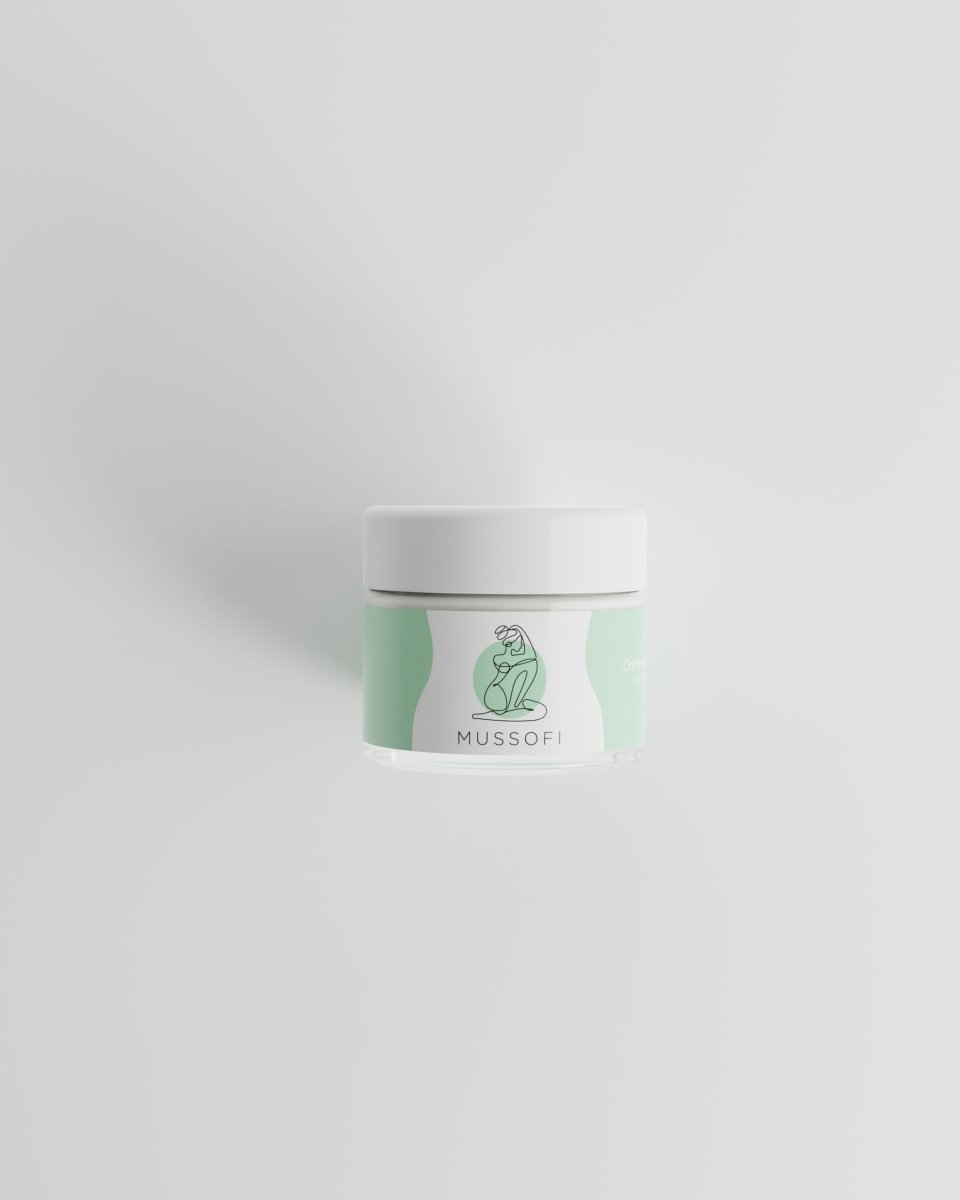
- Unifying and anti-blemish face cream : A cream designed to even out skin tone while fighting against brown spots on the face.
Incorporate a complete skincare routine

A well-thought-out skincare routine for dark skin is essential. In addition to sun protection, a routine that includes a body lotion and moisturizer specifically formulated for dark skin can significantly improve your skin's health. For a more comprehensive approach, you can opt for the Complete Facial Routine , which includes targeted products for radiant, healthy-looking skin.
Taking care of your mixed-race skin
Every skin is unique, and mixed-race skin has its own specific characteristics that need to be considered. Using a unifying lotion for dark skin and a unifying cream for dark skin can help you maintain an even and radiant complexion.
To discover more products tailored to your needs, visit mussofi.com .
In conclusion, incorporating a non-comedogenic sunscreen into your daily routine is a vital step for protecting dark skin. Combined with other targeted skincare products, it can help prevent and treat hyperpigmentation, ensuring healthy, radiant skin.
Frequently Asked Questions
Why is it important to use a non-comedogenic sunscreen for dark skin?
Using a non-comedogenic sunscreen is essential for dark skin as it helps prevent damage from UV rays, while reducing the risk of clogged pores, which can lead to rashes.
What are the differences between a comedogenic sunscreen and a non-comedogenic sunscreen?
A comedogenic sunscreen contains ingredients that can clog pores, while a non-comedogenic sunscreen is formulated to avoid this, making it more suitable for use on acne-prone or blemish-prone skin.
Does dark skin really need sun protection?
Yes, all skin types, including dark skin, need sun protection. While melanin offers some protection against UV rays, it is not enough to prevent skin damage such as premature aging and skin cancer.
How do I choose a non-comedogenic sunscreen that is suitable for my skin?
To choose a non-comedogenic sunscreen, opt for formulations specifically labeled as "non-comedogenic" and check that they contain moisturizing ingredients suitable for your skin type, while also being water-resistant if necessary.
How often should I apply my non-comedogenic sunscreen?
It is recommended to apply sunscreen every two hours, and more frequently if you sweat or swim. For optimal protection, apply it generously to the skin at least 30 minutes before sun exposure.
Can non-comedogenic sunscreen cause allergies?
Although non-comedogenic sunscreens are generally formulated to minimize irritation, it is possible to react to certain ingredients. To avoid allergies, test on a small area of skin before full application.
Does non-comedogenic sunscreen leave a white cast on dark skin?
Some sunscreens may leave a slight white film, but many brands offer tinted or transparent formulations that are better suited to dark skin, thus avoiding this effect.
What SPF should I choose for my non-comedogenic sunscreen?
An SPF of 30 is generally recommended for adequate protection, but it is better to choose a higher SPF if you spend a lot of time outdoors or in sunny environments.
Can you use makeup with sun protection in addition to non-comedogenic sunscreen?
Yes, using makeup with sun protection can complement your sun protection routine, but it doesn't replace applying sunscreen. Make sure the makeup is also non-comedogenic to avoid clogging your pores.