Hyperpigmentation is a common problem affecting many people with dark and black skin. These dark spots can occur due to various causes: sun exposure, acne scars, or hormonal changes. Understanding and effectively treating this condition requires a specific approach, adapted to the biological mechanisms unique to black and mixed-race skin—this is precisely the mission that Nadia Ongbiboue and Adrien Augé , founders of Mussofi, have undertaken by developing a patented range (patent FR3155139) formulated in France by Marie-Odile Hecht , a doctor of pharmacy.
What is Hyperpigmentation?
Hyperpigmentation is characterized by the appearance of darker areas on the skin compared to the natural skin tone. It results from an overproduction of melanin by melanocytes in response to a stimulus—whether solar, inflammatory, or hormonal. Post-inflammatory hyperpigmentation (PIH) affects a very large proportion of people with dark skin who suffer from acne , making it one of the most frequent dermatological concerns in this population.
This mechanism is explained by a particularly reactive melanogenesis in darker skin types : melanocytes produce more melanin in response to inflammatory stimuli, leaving persistent marks long after the initial lesion has disappeared. These spots can affect self-confidence and require a targeted skincare routine for dark skin, with products specifically formulated to treat dark skin.
Skincare for Black Skin: Which Products to Use?
To effectively treat hyperpigmentation, it's essential to incorporate suitable products into your daily routine. Generic cosmetics don't take into account the specific needs of darker skin: more reactive melanogenesis, a naturally more fragile ceramide barrier that promotes dryness, and an increased risk of post-inflammatory reactions. Each step of your routine must therefore combine anti-dark spot effectiveness with respect for this skin barrier. Discover all our recommended routines for a complete approach.
Skin Cleansing and Preparation

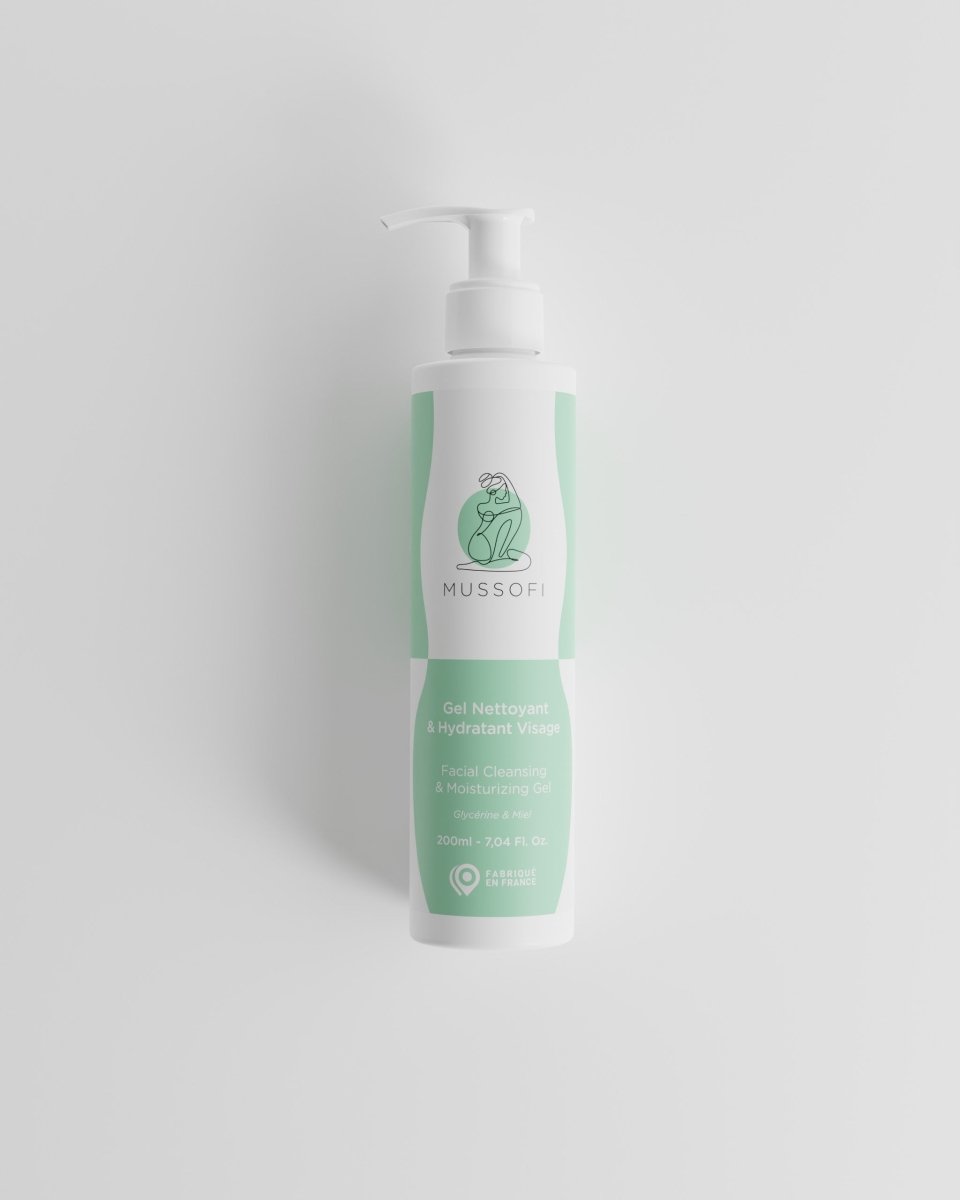
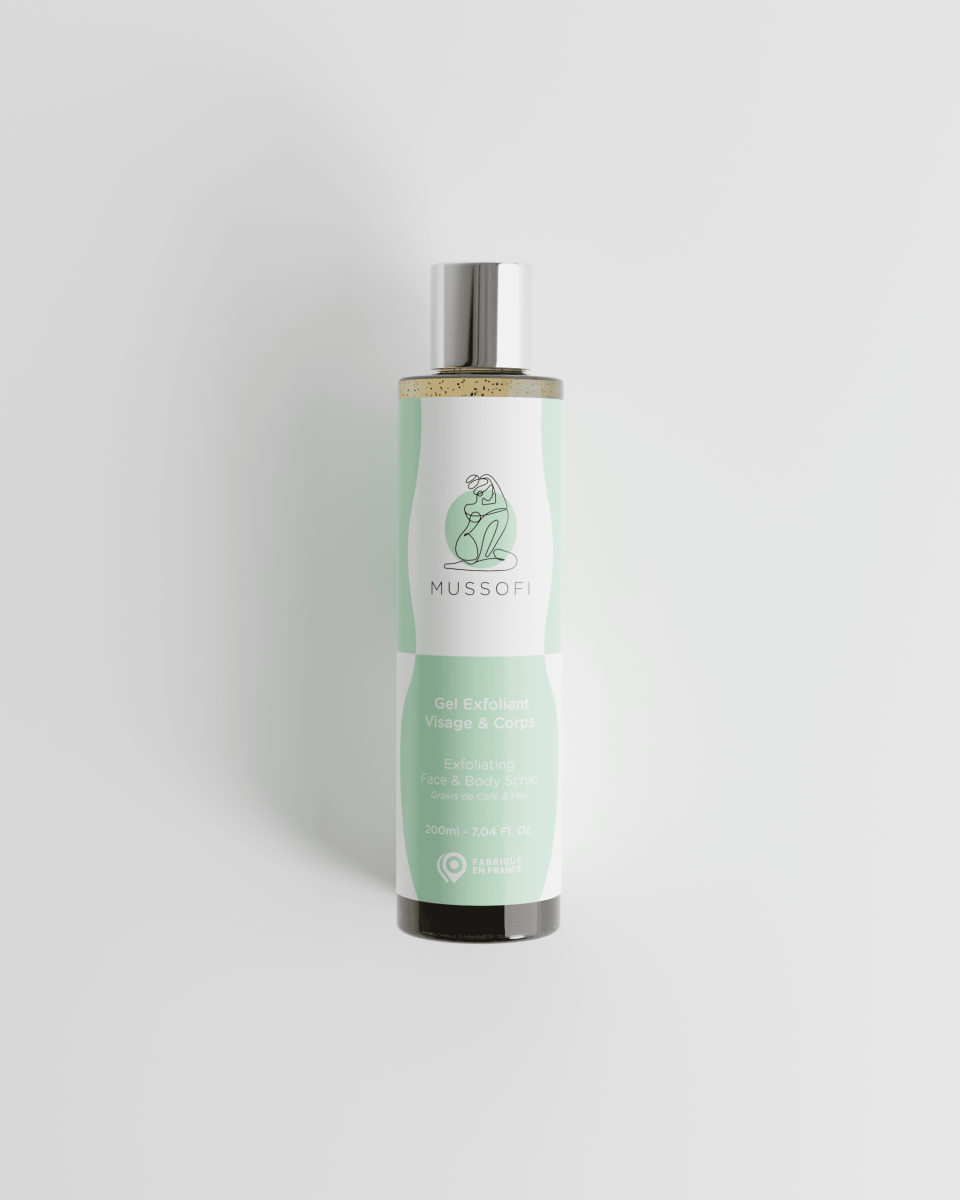
Cleansing is the essential first step in any effective anti-dark spot routine. It removes impurities, excess sebum, and residue that, by clogging pores, promote the appearance of new inflammatory lesions—and therefore new dark spots. Our soap- and fragrance-free Cleansing & Moisturizing Facial Gel gently cleanses while preserving the skin's microbiome. Follow with our Exfoliating Cleansing Gel 2 to 3 times a week to remove dead skin cells and prepare the skin to better absorb the unifying active ingredients. Find both products in our Body & Face Cleansing Routine .
Stain Treatment

Applying a targeted anti-dark spot serum is the central step in the treatment. To be effective on dark skin, a serum must act on the two key mechanisms of pigmentation: inhibiting melanin production at the source and reducing its diffusion to the skin's surface. Vitamin C inhibits the activity of tyrosinase , a key enzyme in melanin synthesis, while niacinamide reduces the transfer of melanosomes to keratinocytes , thus limiting the visible pigmentation of dark spots.
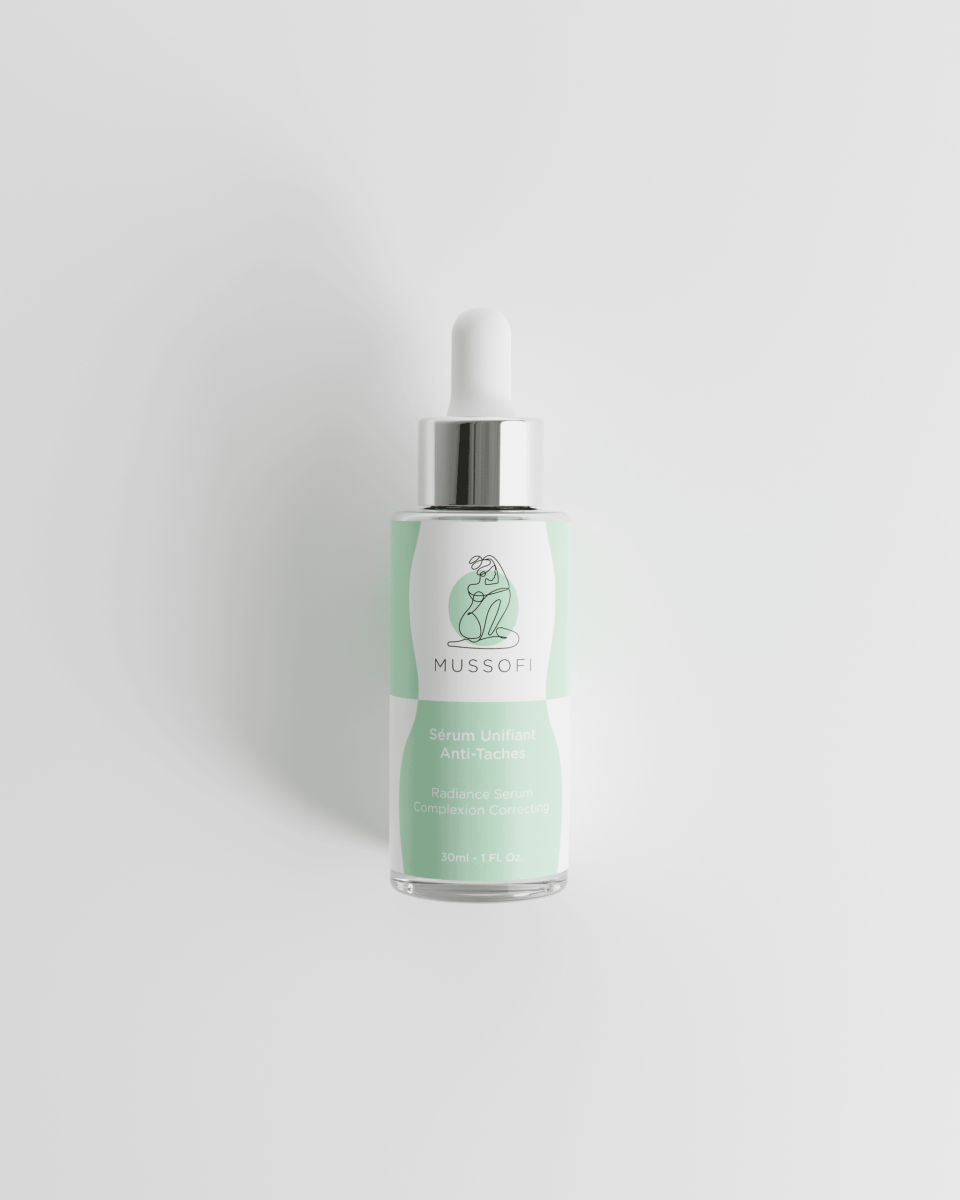
Our Anti-Dark Spot and Anti-Dark Circle Radiance Serum incorporates these active ingredients into our patented formula, complemented by hyaluronic acid for immediate hydration. Apply to clean skin before your day cream for optimal absorption of the active ingredients.
Hydration and Protection

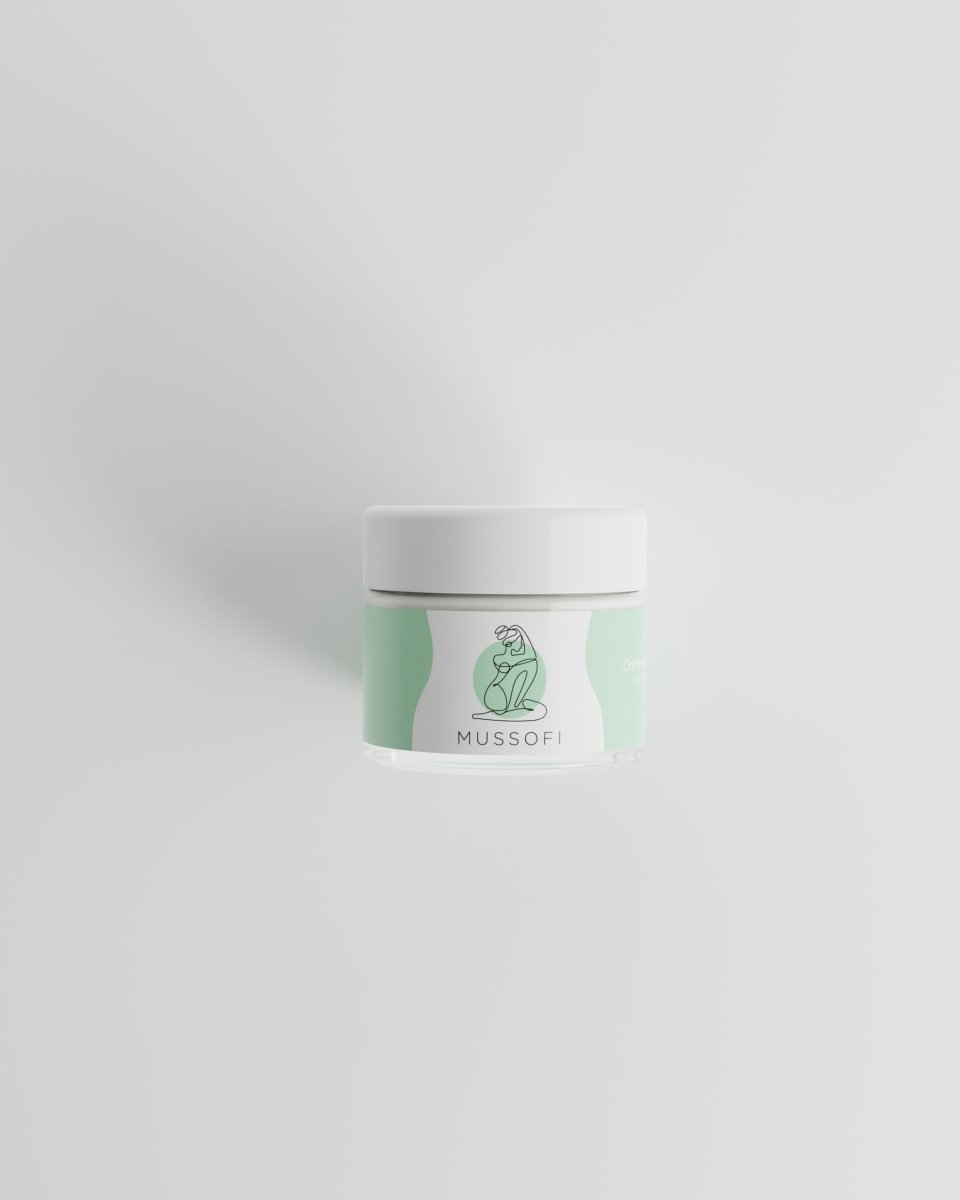
After the serum, a unifying face cream seals in the active ingredients and maintains skin hydration throughout the day. This step is especially important because darker skin tones experience more pronounced transepidermal water loss (TEWL) when the ceramide barrier is weakened. Our Anti-Dark Spot Unifying Face Cream intensely hydrates, smooths the skin, and reinforces the serum's anti-dark spot action thanks to its 24-hour long-lasting effect.
Sun Protection
Sun protection is the most often neglected, yet most crucial, step in preventing dark spots from worsening. Even though dark skin benefits from slightly greater natural UV protection than light skin , this protection remains insufficient to prevent the stimulation of melanogenesis by UVA and UVB radiation. Without sun protection, all anti-dark spot treatments have limited effectiveness. Opt for a non-comedogenic facial sunscreen formulated for dark skin, to be applied every morning as the last step in your routine.
A Complete Routine for Radiant Skin

Hyperpigmentation treatment shouldn't stop at the face. Spots can appear all over the body—elbows, knees, décolleté—and deserve the same attention. Our Anti-Spot Radiance Body Lotion , available in our body care collection , extends the benefits of your facial routine to the entire body for a unified complexion from head to toe. According to our internal usage study (Product Information File), users who adopt a complete multi-step routine observe faster and longer-lasting skin tone evening.
To adopt the entire range at once, discover our gift sets and skincare routines .
Conclusion
Treating hyperpigmentation on dark skin requires a specific approach that takes into account the biological mechanisms unique to dark phototypes. By using scientifically documented active ingredients—vitamin C, niacinamide, and hyaluronic acid—integrated into a consistent and comprehensive routine, you can achieve lasting reductions in dark spots and restore a radiant complexion. Mussofi skincare products, patented and formulated in France, have been designed precisely to support you in this process.
To discover all our solutions, visit our unifying and stain-resistant range or learn more about our brand and our commitments .